



It describes Niagara On The Lake HVAC repair services, covering common failure symptoms, on-site diagnostics, and end-to-end repair processes. It describes why timely fixes matter for homes and businesses with historic ductwork and seasonal demands, and details typical repairs, from filters and capacitors to refrigerant work and control boards. Readers learn about emergency response, estimated timelines, technician qualifications, and transparent pricing practices, plus preventive maintenance tips to minimize future breakdowns and extend equipment life.
-min.jpeg)
HVAC Repair in Niagara On The Lake, ON
An HVAC breakdown disrupts comfort, risks frozen pipes in winter, and can affect businesses during peak tourism seasons. For homeowners and commercial properties in Niagara On The Lake, ON, timely, accurate HVAC repair protects living conditions, preserves inventory in retail and hospitality settings, and keeps seasonal rentals guest-ready. common HVAC failure symptoms in Niagara On The Lake, how professional diagnostics and repairs are performed, typical timelines, technician qualifications, warranty practices, and practical steps to reduce future breakdowns.
Why HVAC repair matters in Niagara On The Lake, ON
Niagara On The Lake’s climate features chilly, sometimes wet winters and humid summers influenced by nearby Lake Ontario. Historic houses and older ductwork common in the area are more susceptible to moisture-related issues and corrosion. Seasonal vacation homes and businesses require reliable heating and cooling to meet guest expectations and protect interiors. Addressing problems early reduces energy waste and prevents more costly replacements later.
Common HVAC repair issues in Niagara On The Lake
Most residential and commercial calls fall into predictable categories. Recognizing these common HVAC repair issues in Niagara On The Lake helps prioritize urgent problems:
- Furnace not heating or short-cycling
- Air conditioner not cooling, short-cycling, or freezing up
- Heat pump performance loss during shoulder seasons
- Strange noises (clanking, screeching, rattling)
- Uneven temperatures or hot/cold spots
- Frequent thermostat errors or communication failures
- Loss of airflow—blocked ducts, failed blower motors, or dirty filters
- Refrigerant leaks and low charge on cooling systems
- Pilot or ignition failures on gas-fired equipment
- Water leaks from condensate lines or pans, especially in humid months
On-site troubleshooting: what technicians check
A systematic on-site diagnostic reduces guesswork and ensures repairs address root causes:
- System history and symptom interview (when did problem start, any recent service)
- Visual inspection of equipment, ductwork, and condensate lines
- Thermostat calibration and control checks
- Electrical checks: breakers, fuses, voltage to motors and compressors
- Airflow measurement and filter condition
- Refrigerant pressure check for cooling systems
- Combustion and venting inspection on gas-fired units
- Motor, capacitor, and relay testing
- Safety control verification (limit switches, flame sensors, carbon monoxide where applicable)
Technicians document findings and provide a clear explanation of recommended repairs and expected outcomes.
Typical repairs and parts replacement
Common repairs performed during HVAC repair visits include:
- Replacing air filters, belts, capacitors, contactors, and relays
- Repairing or replacing blower motors and fan assemblies
- Cleaning or repairing condensate drains and pans
- Refrigerant leak repair and recharge (with leak testing)
- Replacing ignition modules, flame sensors, or gas valves on furnaces
- Repairing control boards and thermostats or updating system firmware
- Duct sealing and minor ductwork repairs to improve airflowWhen major components fail, technicians will explain replacement options and efficiency implications so you can compare short-term repairs versus long-term upgrades.
Emergency response and 24/7 availability
Many HVAC failures are time-sensitive—loss of heat in winter or AC failure during a peak summer weekend. Emergency HVAC repair services in Niagara On The Lake typically offer:
- 24/7 response for life-safety or business-critical situations
- Rapid dispatch protocols to prioritize vulnerable homes and commercial accounts
- Temporary measures to restore function (space heaters, temporary cooling) while permanent repairs are scheduled, when safe and appropriate
Estimated repair timelines
Timelines depend on diagnosis complexity and part availability:
- Basic diagnostics and minor repairs: same day to 24 hours
- Parts replacement for common components (motors, capacitors, contactors): 24–72 hours
- Refrigerant leak repair and system recovery: 1–3 days depending on leak location and parts
- Major component or system replacement: several days to a week, accounting for ordering and installation planningTechnicians will provide a projected timeline after the initial inspection and update you if parts lead times or additional issues arise.
Technician qualifications and standards
Quality HVAC repair in Ontario should be performed by trained, credentialed technicians who:
- Are trained on modern heating, cooling, and ventilation systems, including heat pumps and hybrid systems
- Hold required licenses to work on gas-fired equipment and refrigerant systems where applicable
- Follow safety protocols for electrical and combustion appliances
- Use manufacturer-approved parts or equivalent-quality replacements
- Maintain continuing education to keep pace with new refrigerants, controls, and efficiency standardsTechnicians should also respect your home or business—using protective coverings and cleaning up after work.
Warranty and transparent pricing practices
Reliable HVAC repair services prioritize transparency and peace of mind:
- Clear, written estimates that explain labor, parts, and any exclusions
- Warranties on parts and labor—terms vary by part and service; expect documentation detailing coverage
- Open discussion about repair vs replacement based on expected remaining life and efficiency
- No hidden fees; technicians disclose diagnostic fees and how they apply to eventual repair costThis approach helps property owners in Niagara On The Lake make informed, budget-conscious decisions.
Preventive tips to reduce future HVAC repairs
Regular maintenance reduces emergency visits and keeps systems efficient:
- Replace or clean air filters every 1–3 months depending on use and indoor air quality
- Keep outdoor condenser units clear of debris and vegetation, especially near vineyards or gardens common in the region
- Schedule seasonal tune-ups: pre-winter furnace checks and pre-summer AC inspections
- Ensure proper insulation and sealing in older homes to reduce system strain
- Monitor thermostat settings and upgrade to programmable/connected thermostats for better control
- For properties used seasonally, arrange winterization or remote monitoring to avoid freeze damage
Conclusion: long-term value of professional HVAC repair in Niagara On The Lake
Professional, prompt HVAC repair protects comfort, safety, and property value in Niagara On The Lake’s unique climate and housing stock. Accurate diagnostics, qualified technicians, transparent pricing and warranty practices, and a focus on preventive maintenance deliver the best long-term results. Whether servicing a historic home, a seasonal rental, or a local business, repairs done right minimize downtime, improve energy efficiency, and extend equipment life.

Customer Testimonials

Lifesavers!! The AC in our house decided to quit the day we were passing the keys to the new owners!! Instead of making a service call to the house, John coached me through the minor repair over the phone, saving me the money and time waiting for a repair person to come.Much appreciated! Thanks again John

I called John today at 2:pm as my AC was not working and I wasn’t expecting even a call back as I knew with this hot weather we have had he would be swamped with calls. Well he called me back and showed at 8:pm on the same day to fix my AC. That is just incredible service and how much John really cares about his clients. Thank you John !
We had an amazing experience getting our new furnace installed with Niagara Home Heating. The owner was very helpful, their quote was more then competitive and the technician who installed the unit was professional and friendly. I would recommend their services.
I have used Niagara Home heating for multiple projects for over 16 years. John and his staff are absolutely the best. I tell all my friends and family about Niagara Home Heating because you won’t get any better service or pricing anywhere in Niagara. He has saved me thousands and thousands of dollars and has never let me down.
Very efficient company. I needed an old solar water heater removed from my roof. They were quick to book an appointment for the next day after I sent photos. They were very knowledgeable of the issue. The 2 guys that came were friendly and competent with the job, including removal of all parts.
I had an issue with my hot water tank and called Niagara Home Heating. Their service was fantastic and reasonably priced—exactly how a business should be run!

Service Areas
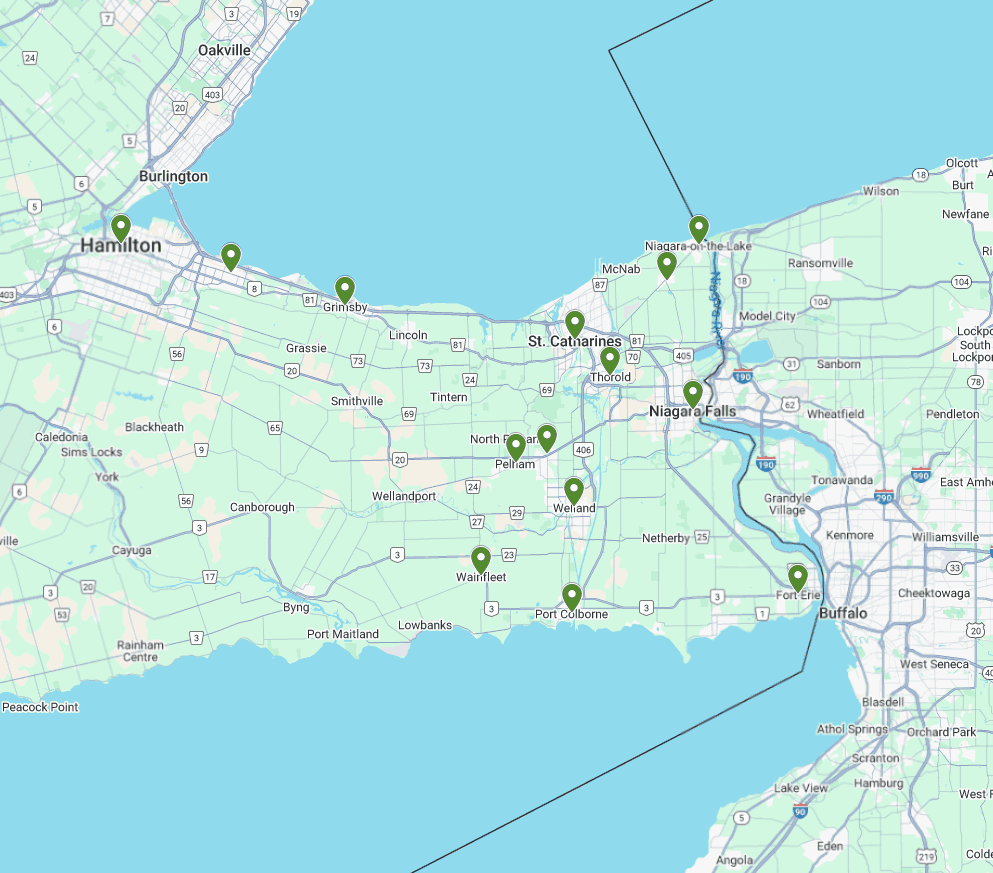
Our service areas encompass a wide range of locations, ensuring that we can meet the needs of our clients wherever they are. From bustling urban centers to serene rural landscapes, we are committed to providing top-notch services tailored to each unique environment.