



HVAC maintenance in Port Colborne, ON provides proactive, seasonal care to minimize breakdowns, preserve efficiency, and extend system life for homes and businesses near Lake Erie. A comprehensive program covers filters, coils, safety checks, electrical systems, ducts, and performance testing, tailored to humid summers and winter cold. Regular inspections prevent corrosion, improve airflow, and detect issues early, reducing emergency repairs and energy costs. Clients gain predictable costs, clear maintenance plans, and documented recommendations for extended reliability and comfort.
.jpeg)
HVAC Maintenance in Port Colborne, ON
Routine and seasonal HVAC maintenance in Port Colborne, ON keeps heating and cooling systems reliable through humid summers and harsh winters. Regular maintenance reduces breakdowns, improves energy efficiency, extends equipment life, and helps protect indoor air quality—especially important in lakeside communities where humidity and airborne debris can accelerate wear. It describes what a professional maintenance program should include, common local issues, diagnostic steps, repair solutions, and the service agreement options homeowners and businesses typically choose.
Why seasonal HVAC maintenance matters in Port Colborne, ON
Port Colborne’s proximity to Lake Erie brings higher humidity in summer, occasional lake-effect snow in winter, and a mix of coastal air and road salt exposure. Those conditions can cause:
- Faster buildup of dirt and biological growth on coils and in ductwork
- Greater condensation stress on components and increased risk of corrosion
- More frequent filter loading and reduced airflow
- Stress during seasonal changeovers (heat pump switchovers, AC start-ups)
Seasonal maintenance addresses these local stressors before they cause failures or efficiency loss.
Common HVAC problems in Port Colborne homes and businesses
Regular maintenance helps prevent the most common issues observed in the region:
- Reduced cooling capacity and high energy bills from dirty coils or clogged filters
- Short-cycling and poor heat distribution caused by refrigerant or airflow problems
- Ignition, venting, or combustion safety concerns in furnaces after winter use
- Corrosion-related failures on outdoor units and electrical connections
- Thermostat drift or communication errors creating comfort complaints
What a seasonal and routine maintenance visit includes
A thorough inspection and service checklist ensures both safety and performance. Typical items covered in HVAC maintenance visits:
- Filter inspection and replacement: Check and replace filters or recommend filter types and schedules for local conditions.
- Coil cleaning: Clean evaporator and condenser coils to restore heat transfer efficiency and prevent moisture-related issues.
- Safety checks: Test combustion safety (where applicable), carbon monoxide controls, pressure switches, and venting integrity.
- Motor and blower inspection: Lubricate bearings (if required), inspect belts, measure blower speed, and verify proper airflow.
- Thermostat calibration: Verify temperature accuracy, check sensors and program settings, and test communication with system controls.
- Refrigerant level and leak inspection: Measure system pressures, check for signs of leaks, and evaluate charge against manufacturer specifications.
- Electrical evaluation: Inspect wiring, terminal connections, contactors, capacitors, and fuses for corrosion or wear.
- Drain line and pan cleaning: Clear condensate lines and clean pans to prevent blockages and water damage.
- Duct and filter visual inspection: Look for disconnected ducts, large leaks, or insulation issues that reduce system efficiency.
- System performance assessment: Measure operating temperatures, run-times, and cycling behavior to detect inefficiencies.
How technicians diagnose and prioritize repairs
Technicians use a combination of visual inspections, system performance measurements, and industry-standard tests to diagnose issues:
- Start with an operational check during a controlled start-up to observe noises, vibrations, and cycling.
- Use instruments to measure airflow, static pressure, temperature splits, and electrical loads.
- Prioritize safety issues first (e.g., combustion, CO risk, electrical hazards), then address performance items that impact comfort and efficiency.
- Provide a clear summary of findings and recommended actions, explaining immediate fixes versus items that can be monitored.
This transparent diagnostic approach helps homeowners make informed decisions about necessary repairs or upgrades.
Repair and solution options commonly recommended
Based on inspection results, maintenance visits may include or recommend:
- Filter upgrades (higher MERV where appropriate) and more frequent changes in humid months
- Coil rinsing or deep cleaning to restore capacity
- Tightening and replacing electrical connectors and worn capacitors
- Adjusting refrigerant charge and repairing detected leaks
- Motor or blower assembly service or replacement for improved airflow
- Thermostat replacement or recalibration for tighter temperature control
- Sealing or insulating major duct leaks to recover lost efficiency
Each solution balances upfront cost with expected energy savings, improved comfort, and reduced risk of emergency repair.
Service agreement options for Port Colborne properties
Homeowners and commercial clients commonly choose from several maintenance plan structures:
- Seasonal Tune-Up Program: One service in spring (AC) and one in fall (furnace/heat pump) focused on readiness for peak seasons.
- Annual Comprehensive Plan: A single in-depth inspection and cleaning with prioritized scheduling and seasonal reminders.
- Priority Service Agreement: Includes biannual visits plus priority emergency response and reduced diagnostic fees for covered systems.
- Commercial Maintenance Contracts: Customized frequencies, multiple-system coverage, and reporting tailored to business hours and tenant needs.
Typical features included in agreements: scheduled reminders, inspection reports, recommended repair summaries, and documentation supporting warranty requirements. Agreements can be structured for single-family homes, multi-unit buildings, or commercial properties.
When to schedule maintenance in Port Colborne
Timing matters for lifecycle protection and efficiency:
- Spring: AC inspection and coil cleaning before the hottest months.
- Fall: Furnace or heat pump heating check before freezing temperatures arrive.
- After major storms or prolonged power outages: Verify system integrity and controls.
- Anytime you notice unusual noises, odors, increased energy bills, or comfort problems.
Most properties benefit from at least two professional service visits per year; some systems in high-humidity or high-use settings may require more frequent attention.
Practical maintenance tips between professional visits
Keep systems operating well between professional visits with these homeowner steps:
- Replace or inspect filters monthly during heavy-use months.
- Keep outdoor units free of debris, snow, and vegetation, and protect them from road salt where possible.
- Maintain clear airflow around vents and registers; avoid blocking returns with furniture.
- Monitor utility bills and indoor comfort—unexpected spikes or hot/cold spots often indicate developing issues.
Regular homeowner care combined with professional maintenance maximizes reliability and efficiency.
Regular HVAC maintenance in Port Colborne, ON addresses the unique stresses of lakeside climate while delivering measurable benefits: fewer breakdowns, lower operating costs, safer operation, and longer equipment life. Well-structured seasonal programs and clear inspection checklists ensure the job is done methodically and transparently for both residential and commercial systems.

Customer Testimonials

I had an issue with my hot water tank and called Niagara Home Heating. Their service was fantastic and reasonably priced—exactly how a business should be run!

I have used Niagara Home heating for multiple projects for over 16 years. John and his staff are absolutely the best. I tell all my friends and family about Niagara Home Heating because you won’t get any better service or pricing anywhere in Niagara. He has saved me thousands and thousands of dollars and has never let me down.
I called John today at 2:pm as my AC was not working and I wasn’t expecting even a call back as I knew with this hot weather we have had he would be swamped with calls. Well he called me back and showed at 8:pm on the same day to fix my AC. That is just incredible service and how much John really cares about his clients. Thank you John !
Lifesavers!! The AC in our house decided to quit the day we were passing the keys to the new owners!! Instead of making a service call to the house, John coached me through the minor repair over the phone, saving me the money and time waiting for a repair person to come.Much appreciated! Thanks again John
We had an amazing experience getting our new furnace installed with Niagara Home Heating. The owner was very helpful, their quote was more then competitive and the technician who installed the unit was professional and friendly. I would recommend their services.
Very efficient company. I needed an old solar water heater removed from my roof. They were quick to book an appointment for the next day after I sent photos. They were very knowledgeable of the issue. The 2 guys that came were friendly and competent with the job, including removal of all parts.

Service Areas
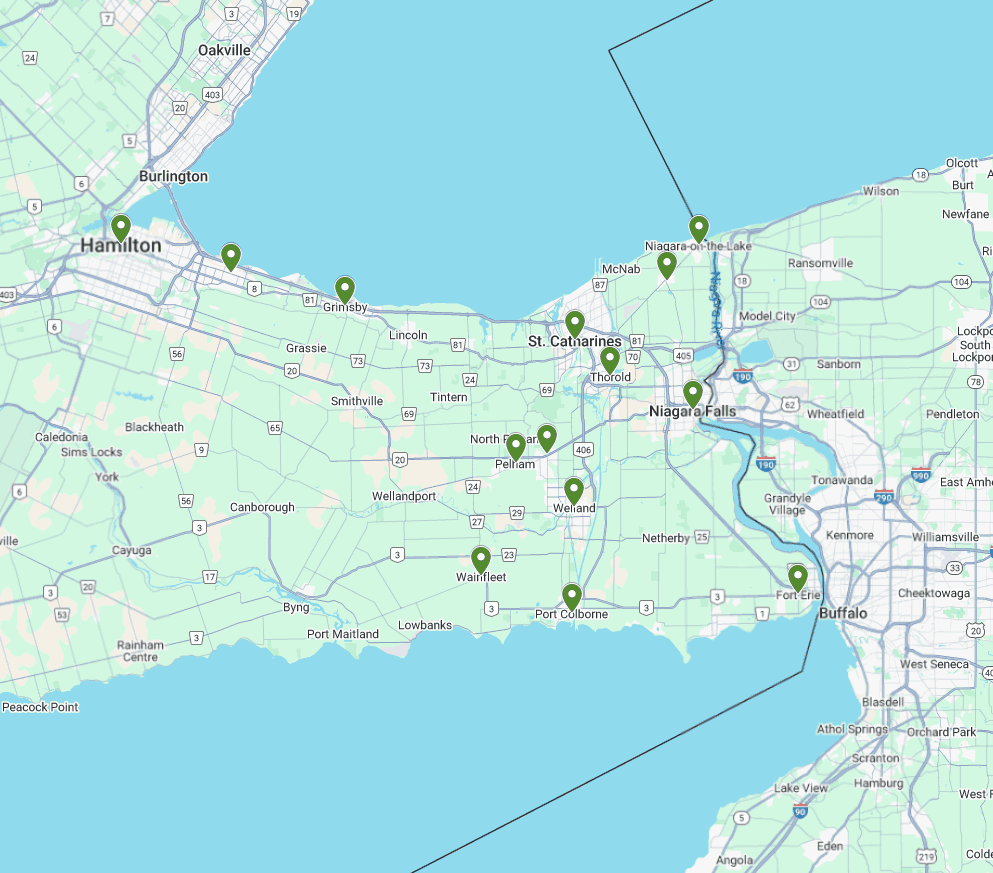
Our service areas encompass a wide range of locations, ensuring that we can meet the needs of our clients wherever they are. From bustling urban centers to serene rural landscapes, we are committed to providing top-notch services tailored to each unique environment.