



Thorold residents rely on timely HVAC repair to maintain comfort and safety through severe winters and humid summers. It describes common furnace, air conditioner, heat pump and boiler issues, describes the on-site diagnostic steps, and details typical repairs by system. It also covers parts, labor expectations, warranties, emergency response procedures, and scheduling. Emphasis is placed on safety, transparency, and preventive maintenance as keys to minimizing failures and extending equipment life in Thorold's climate. Trustworthy service starts with clear communications.
-min.jpeg)
HVAC Repair in Thorold, ON
A properly functioning heating and cooling system is essential for Thorold homes, where cold, snowy winters and warm, humid summers place heavy seasonal demands on HVAC equipment. Whether your furnace won’t ignite in January or your air conditioner struggles through July humidity, timely, professional HVAC repair protects comfort, safety, and energy costs. common HVAC fault symptoms seen in Thorold, what a typical on-site diagnosis looks like, common repairs for furnaces, air conditioners, heat pumps and boilers, what to expect for parts and labor and warranties, emergency response procedures and typical response times, and how scheduling a repair generally works.
Common HVAC repair issues in Thorold homes
Thorold’s climate and older housing stock create a predictable set of problems HVAC technicians see frequently:
- Furnace problems
- No heat or intermittent heating
- Frequent short-cycling or the system running but not reaching set temperature
- Unusual noises (rumbling, grinding) or frequent shutdowns
- Ignition or pilot failures, blower issues, or safety lockouts
- Air conditioner issues
- Weak airflow or warm air from vents
- Unit won’t start, or it runs continuously without cooling
- Ice buildup on evaporator coils or frozen refrigerant lines
- Loud clicking, buzzing, or grinding noises
- Heat pump problems
- Reduced heating performance in cold snaps
- Defrost cycle malfunctions or excessive noise during changeover
- Low refrigerant charge or compressor start failures
- Boiler and hydronic systems
- Low or fluctuating system pressure
- Cold spots on radiators or uneven heat distribution
- Leaks, kettling noises, or failed ignition control
- General concerns
- Poor indoor air quality, excessive dust, or unusual odors
- Thermostat errors or communication faults
- System tripping breakers or electrical faults
On-site diagnostic and troubleshooting process
A professional HVAC diagnostic follows a consistent process that prioritizes safety and accurate root-cause identification:
- Safety and system triage
- Verify electrical disconnects, gas supply and carbon monoxide safety devices.
- Identify immediate safety risks and stabilize the system before further work.
- Visual inspection and baseline checks
- Examine filters, vents, condensate drains, outdoor unit condition and visible refrigerant lines.
- Check thermostat settings and call for system to reproduce the fault.
- Component and operational testing
- Measure voltages, compressor and motor performance, blower amp draw, gas pressure/ignitor operation.
- Check refrigerant pressures, superheat/subcooling, and airflow measurements as needed.
- Diagnosis and transparent estimate
- Identify failed components or underlying causes (blockages, refrigerant leak, control board failure, etc.).
- Provide a clear repair plan, expected parts to be used, labor steps and warranty coverage.
This thorough approach reduces repeat trips and uncovers secondary issues that can cause recurring failures, particularly important in Thorold where seasonal extremes accelerate wear.
Typical repairs by system
Common, effective repairs tend to fall into several repeatable categories:
- Furnace repairs
- Replacing ignitors, flame sensors or burners
- Repairing/replacing inducer or draft motors, limit switches and control boards
- Cleaning or replacing heat exchangers (when safe), blower motors and belts
- Correcting venting or flue issues and carbon monoxide safety checks
- Air conditioner repairs
- Replacing capacitors, contactors, run/start relays and condenser fan motors
- Repairing refrigerant leaks and recharging to manufacturer specifications
- Compressor replacement or motor repairs when required
- Coil cleaning, condensate drain clearing and addressing airflow restrictions
- Heat pump repairs
- Fixing reversing valves, defrost controls, or reversing-cycle electronics
- Repairing compressors, reversing relays or low-pressure cutouts
- Addressing refrigerant imbalances and control board failures
- Boiler and hydronic repairs
- Replacing circulator pumps, zone valves and pressure/temperature controls
- Repairing leaks, flushing hot water loops and servicing expansion tanks
- Ignition system and gas valve repairs, plus safety control replacements
Technicians generally use OEM or equivalent quality parts and will advise when replacement offers the most reliable long-term value.
Parts, labor expectations and warranties
Expect clear communication about parts and labor before any work begins. Best-practice repairs include:
- A written or verbal explanation of recommended parts and why they are needed.
- Use of OEM or high-quality replacement parts appropriate for the system.
- Labor performed by certified technicians with experience on your brand and model.
- Documentation of any manufacturer parts warranties and a separate labor warranty for repairs, with the length and coverage disclosed up front.
Warranty coverage often includes manufacturer warranties on new parts and a limited labor warranty from the service provider. Make sure the technician documents warranty terms and provides advice on care to maintain coverage.
Emergency response procedures and typical response times in Thorold
Severe HVAC failures (no heat in sub-zero temperatures, active refrigerant leaks, or carbon monoxide events) require prioritized response. In the Thorold area, emergency repair response commonly follows this pattern:
- Immediate triage advice remotely (safety steps and temporary mitigations).
- Emergency dispatch for critical failures, often same-day and, depending on availability and season, within a few hours.
- Non-emergency but urgent issues are typically scheduled within 24 to 48 hours.
Seasonal demand (deep winter or peak summer) can affect availability, so early reporting of developing problems reduces the risk of emergency failure.
How scheduling and on-site service typically work
Scheduling focuses on providing enough detail to prepare for a first visit:
- Be ready to describe symptoms, make/model/age of equipment, and any recent maintenance.
- Provide access details (furnace/boiler room, outdoor unit location) and any health/safety considerations.
- Appointments usually include an on-site diagnostic and a transparent estimate before repairs proceed.
- For emergency calls, technicians prioritize safety, perform temporary fixes if needed, and present a full repair plan.
Technicians often leave a summary of work performed, parts installed, maintenance tips, and warranty information after the visit.
Why timely HVAC repair matters in Thorold
Prompt repair preserves equipment life, reduces energy costs, and improves comfort and safety in Thorold’s variable climate. Fixing small issues quickly avoids costly failures during extreme weather, prevents frozen pipes or indoor air quality declines, and ensures your system runs efficiently when you need it most.
Regular maintenance combined with professional, prompt repairs keeps systems reliable through Thorold winters and humid summers, delivering consistent comfort and peace of mind.

Customer Testimonials

Very efficient company. I needed an old solar water heater removed from my roof. They were quick to book an appointment for the next day after I sent photos. They were very knowledgeable of the issue. The 2 guys that came were friendly and competent with the job, including removal of all parts.

I have used Niagara Home heating for multiple projects for over 16 years. John and his staff are absolutely the best. I tell all my friends and family about Niagara Home Heating because you won’t get any better service or pricing anywhere in Niagara. He has saved me thousands and thousands of dollars and has never let me down.
I had an issue with my hot water tank and called Niagara Home Heating. Their service was fantastic and reasonably priced—exactly how a business should be run!
Lifesavers!! The AC in our house decided to quit the day we were passing the keys to the new owners!! Instead of making a service call to the house, John coached me through the minor repair over the phone, saving me the money and time waiting for a repair person to come.Much appreciated! Thanks again John
We had an amazing experience getting our new furnace installed with Niagara Home Heating. The owner was very helpful, their quote was more then competitive and the technician who installed the unit was professional and friendly. I would recommend their services.
I called John today at 2:pm as my AC was not working and I wasn’t expecting even a call back as I knew with this hot weather we have had he would be swamped with calls. Well he called me back and showed at 8:pm on the same day to fix my AC. That is just incredible service and how much John really cares about his clients. Thank you John !

Service Areas
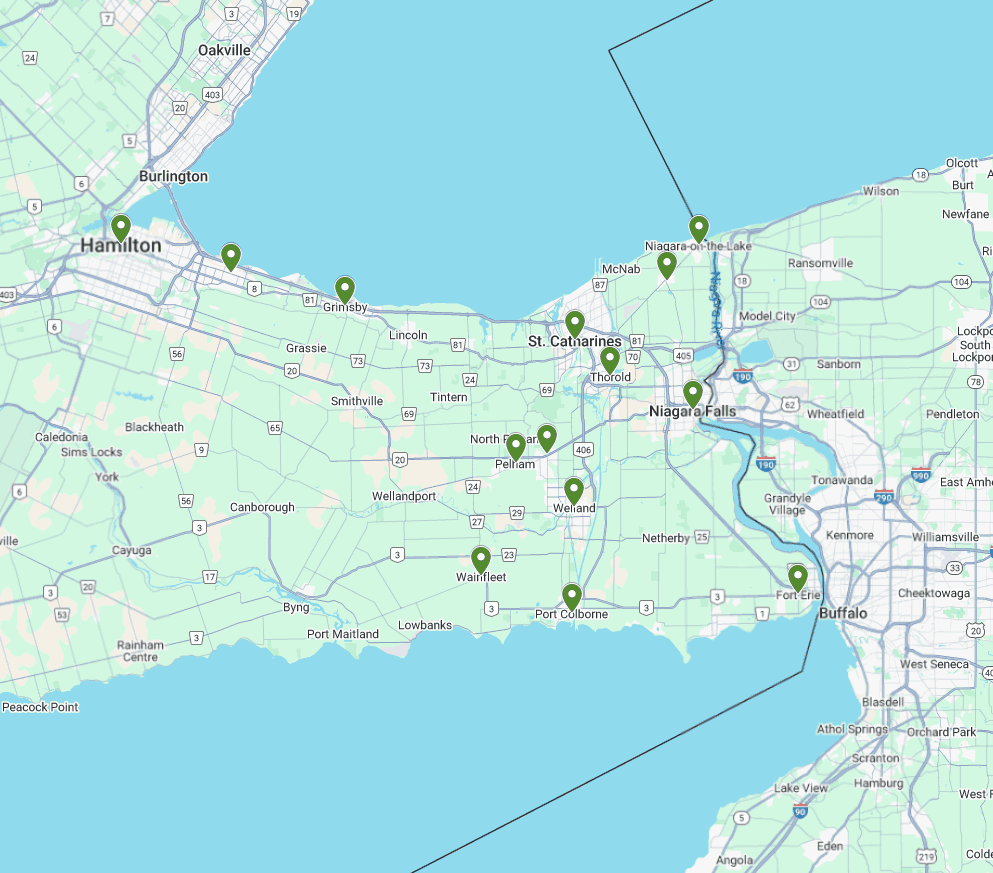
Our service areas encompass a wide range of locations, ensuring that we can meet the needs of our clients wherever they are. From bustling urban centers to serene rural landscapes, we are committed to providing top-notch services tailored to each unique environment.