



HVAC replacement in Thorold, ON offers a thorough, evaluation-led upgrade that improves comfort, safety, and energy efficiency while addressing damp basements, humidity, and challenging heating seasons. The process begins with a site assessment, sizing calculations, duct inspections, and a comparison of current versus modern equipment. Recommendations emphasize high-efficiency furnaces, cold-climate heat pumps, SEER ratings, and smart controls. The plan covers costs, financing, rebates, disposal, permits, installation, commissioning, warranty options, and ongoing maintenance to protect long-term performance.
-min.jpeg)
HVAC Replacement in Thorold, ON
Upgrading your home heating and cooling system is one of the most effective ways to improve comfort, lower energy bills, and reduce the risk of mid-winter breakdowns in Thorold, ON. Whether your furnace is failing, your air conditioner struggles through humid Niagara summers, or you want to switch to a cold-climate heat pump, a professional HVAC replacement addresses performance, safety, efficiency, and long-term value. the full replacement process, what to expect in Thorold homes, and practical guidance on models, timelines, warranties, and local incentives.
Why replace your HVAC system in Thorold
- Older furnaces and air conditioners lose efficiency and reliability over time; the region’s cold winters and humid summers make dependable equipment essential.
- Frequent repairs, rising energy bills, and uneven heating or cooling are signs your system is costing you more than it should.
- Newer high-efficiency equipment, variable-speed motors, and modern controls address comfort issues specific to Niagara Region homes: damp basements, variable indoor humidity, and tight heating seasons.
Common HVAC replacement reasons in Thorold
- Repeated breakdowns and rising repair costs
- Furnace age 15+ years or AC/heat pump age 10+ years
- High energy bills or inconsistent temperatures between rooms
- Desire to switch to a heat pump or hybrid system for electrification and lower emissions
- Concerns about indoor air quality, humidity, and ventilation
Initial evaluation and efficiency assessment
A thorough replacement always begins with a professional site assessment:
- Home inspection and system history review
- Heat loss and heat gain calculations (Manual J style) to determine correct sizing
- Ductwork evaluation for leaks, insulation, and airflow restrictions
- Efficiency assessment comparing current AFUE (furnace), SEER/HSPF (AC/heat pump) performance estimates versus modern equipment
- Review of fuel type, ventilation, and safety needs (carbon monoxide risk on gas systems)
This diagnostic step prevents oversizing or undersizing, which are common causes of comfort problems and poor efficiency.
Recommendations for energy-efficient models
For Thorold homes we typically recommend solutions tailored to local climate and household priorities:
- High-efficiency gas furnaces with AFUE 95%+ where gas remains preferred
- Cold-climate air-source heat pumps or dual-fuel systems to maintain heat in subzero conditions while maximizing summer cooling and dehumidification
- High-SEER air conditioners or high-efficiency heat pumps for better humidity control in summer
- Variable-speed blowers and ECM motors for quieter operation, improved comfort, and lower electrical use
- Smart thermostats and zoning systems to reduce wasted energy in unused rooms
Each recommendation will be sized and selected based on your home’s specifics, occupancy patterns, and energy goals.
Cost estimates, financing, and rebate guidance
Replacement cost varies with system type, home complexity, required ductwork modifications, and chosen equipment options. Typical cost factors include:
- Equipment type and efficiency rating
- Complexity of installation and required duct or gas line work
- Disposal and permitting costs
- Optional upgrades like zoning, filtration, or thermostats
For many Thorold homeowners, financing options and incentive programs make upgrades more attainable:
- Manufacturer and contractor financing plans and low-interest loan programs are commonly available
- Federal and provincial energy-efficiency rebates, as well as local utility incentives, often apply to heat pumps, high-efficiency furnaces, and insulation/duct upgrades
- Energy assessment rebates and efficiency loan programs can offset evaluation and upgrade costs
A replacement quote should include a clear breakdown of equipment, labour, permit fees, expected rebate eligibility, and suggested financing routes so you can compare options confidently.
Removal, disposal, and regulatory compliance
Professional replacement includes responsible removal of old equipment:
- Refrigerant recovery and disposal in accordance with environmental regulations
- Safe capping of gas lines and proper handling of combustion venting
- Recycling and disposal of old units per local requirements
- Permits and code compliance checks where required
Proper disposal protects your property and ensures the new system meets safety and regulatory standards.
Professional replacement and commissioning steps
A typical replacement project follows a predictable, documented flow:
- Finalize system selection and schedule installation
- Pre-install prep: protecting floors, access, and staging equipment
- Removal of existing equipment and site cleanup
- Replacement of equipment, duct modifications, gas/electrical hookups, and control wiring
- System startup and commissioning:
- Correct refrigerant charge, airflow balancing, and combustion checks
- Thermostat calibration and control programming
- Carbon monoxide and safety checks for gas systems
- System performance validation under different operating modes
- Homeowner walkthrough explaining operation, maintenance needs, and warranty coverage
Install times typically range from a single day for like-for-like furnace swaps to several days for full system changes, ductwork upgrades, or heat pump conversions. Lead times for equipment can vary from one to several weeks depending on model availability.
Warranty options and what to check
Warranty protection usually includes:
- Manufacturer equipment warranty (commonly 5 to 10 years or more for major components; some high-efficiency units offer extended coverage)
- Labour warranty from the installer (ranges commonly from 1 to 5 years)
- Optional extended service agreements for ongoing maintenance
Always review warranty documents for coverage details, required maintenance to preserve warranty, and transferability if you sell your home.
Expected benefits and ongoing maintenance advice
Upgrading delivers measurable advantages:
- Lower monthly energy bills and improved system efficiency
- More consistent temperatures and better humidity control during Thorold summers
- Reduced repair frequency and greater reliability during cold snaps
- Improved indoor air quality with modern filtration and ventilation options
- Potential home value increase and eligibility for energy incentives
To protect your investment:
- Change filters regularly and follow the manufacturer maintenance schedule
- Arrange annual professional tune-ups for heating and cooling seasons
- Seal and insulate ductwork where needed, and consider adding a programmable thermostat
- Monitor carbon monoxide detectors and ventilation in homes with combustion appliances
Replacing your HVAC system is a technical decision with long-term implications for comfort, safety, and operating costs. In Thorold’s climate, choosing the right equipment, properly sizing the system, and following through with quality installation and maintenance are the keys to realizing the full benefits of an HVAC replacement.

Customer Testimonials

I called John today at 2:pm as my AC was not working and I wasn’t expecting even a call back as I knew with this hot weather we have had he would be swamped with calls. Well he called me back and showed at 8:pm on the same day to fix my AC. That is just incredible service and how much John really cares about his clients. Thank you John !

I had an issue with my hot water tank and called Niagara Home Heating. Their service was fantastic and reasonably priced—exactly how a business should be run!
I have used Niagara Home heating for multiple projects for over 16 years. John and his staff are absolutely the best. I tell all my friends and family about Niagara Home Heating because you won’t get any better service or pricing anywhere in Niagara. He has saved me thousands and thousands of dollars and has never let me down.
Lifesavers!! The AC in our house decided to quit the day we were passing the keys to the new owners!! Instead of making a service call to the house, John coached me through the minor repair over the phone, saving me the money and time waiting for a repair person to come.Much appreciated! Thanks again John
Very efficient company. I needed an old solar water heater removed from my roof. They were quick to book an appointment for the next day after I sent photos. They were very knowledgeable of the issue. The 2 guys that came were friendly and competent with the job, including removal of all parts.
We had an amazing experience getting our new furnace installed with Niagara Home Heating. The owner was very helpful, their quote was more then competitive and the technician who installed the unit was professional and friendly. I would recommend their services.

Service Areas
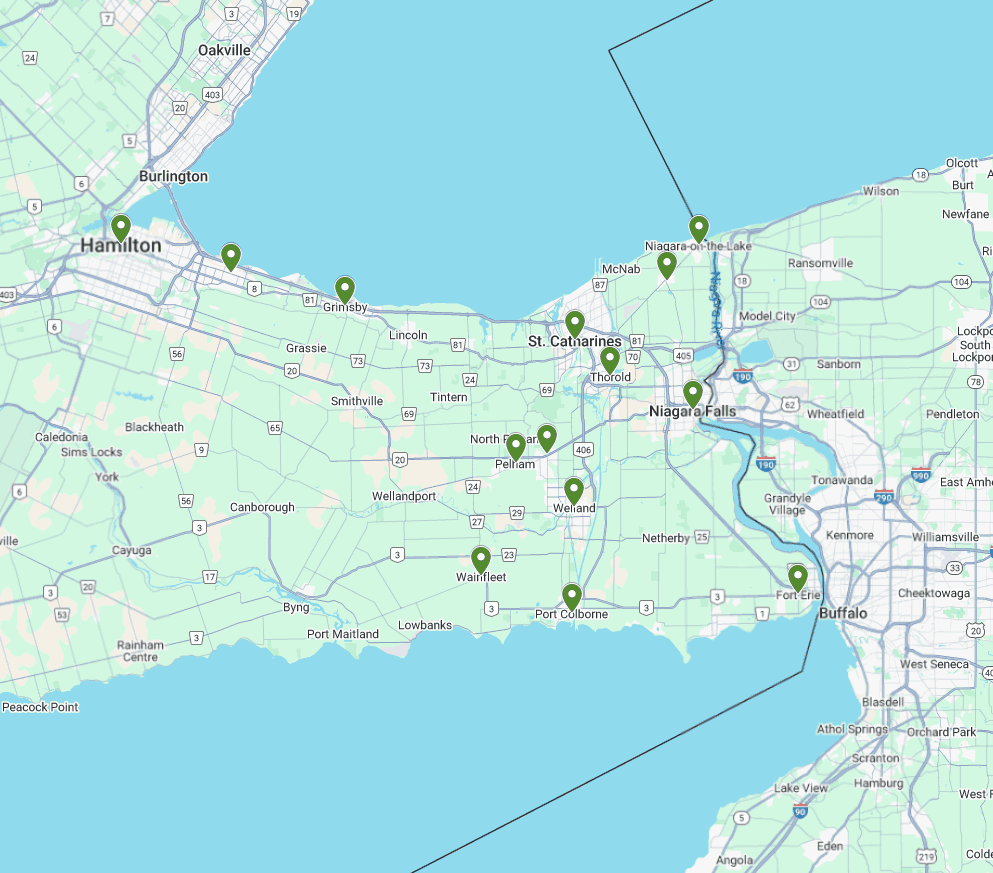
Our service areas encompass a wide range of locations, ensuring that we can meet the needs of our clients wherever they are. From bustling urban centers to serene rural landscapes, we are committed to providing top-notch services tailored to each unique environment.