



Mini split AC repair in Niagara Falls, ON outlines when ductless systems fail and how technicians diagnose issues quickly to minimize damage. The guide highlights common problems such as insufficient cooling, poor airflow, leaks, strange noises, cycling, and remote error codes, then explains a step-by-step diagnostic flow from symptom confirmation to operational testing. It covers typical repairs, expected timelines, warranty considerations, emergency response, and practical preventive tips to extend system life and maintain comfort in humid seasons.
.jpeg)
Mini Split Ac Repair in Niagara Falls, ON
Mini split AC systems are a common, efficient cooling and heating choice in Niagara Falls homes and small businesses. When a ductless unit fails, it disrupts comfort quickly—especially during humid summer days or the shoulder seasons when systems switch between heating and cooling. This page explains how mini split repair works in Niagara Falls, ON, what symptoms to watch for, the diagnostic steps technicians take, typical repairs, repair timelines, warranty handling, emergency response expectations, and preventative measures to help avoid repeat breakdowns.
Why timely mini split repair matters in Niagara Falls, ON
Niagara Falls experiences humid summers with frequent temperature swings and cold winters. High humidity and persistent condensation can accelerate corrosion of outdoor components and clog drain lines. Mini splits used for both cooling and heat pump heating are subject to seasonal stress, so addressing faults quickly preserves efficiency, prevents secondary damage (like water stains and mold), and reduces the chance of costly component failure.
Common mini split AC problems in Niagara Falls homes
- No cooling or no heating: Unit runs but air is not cold or warm enough. Often caused by refrigerant issues, compressor faults, or electronic control failures.
- Poor airflow: Weak air coming from the indoor head. Usually a blocked filter, fan motor issue, or indoor coil frost/ice.
- Water leaks or dripping: Condensate overflowing from the indoor unit or water near the outdoor unit. Commonly due to blocked condensate drains, incorrect slope of the line, or disconnected/drilled lines.
- Strange noises: Rattling, grinding, or loud humming from indoor or outdoor units. May indicate loose panels, failing fans, compressor issues, or debris in the fan assembly.
- Frequent cycling or short cycling: System turns on and off too often, reducing comfort and increasing wear—often tied to sensor faults, refrigerant charge, or defective compressor controls.
- Error codes on the remote or wall controller: Modern units display error codes that direct technicians toward specific sensors or communication failures.
Step-by-step diagnostic procedure
Technicians follow a structured diagnostic flow to find the root cause quickly and avoid unnecessary parts replacement:
- Initial interview and symptom confirmation: Ask about recent performance, sounds, and visible signs (water, ice, odors).
- Visual inspection: Check indoor head, filters, drain lines, outdoor condenser, refrigerant line insulation, electrical connections, and mounting. Look for corrosion, animal nests, or ice buildup.
- Airflow and temperature checks: Measure return and supply air temperatures and inspect fan operations.
- Electrical testing: Verify voltage, current draw on motors and compressor, and inspect control board connections for shorts or burn marks.
- Refrigerant pressure test and leak detection: Use gauges and electronic leak detectors; dye or UV methods used when necessary to locate hard-to-find leaks.
- Control and sensor verification: Test thermostats, room sensors, and communication between indoor and outdoor units.
- Operational test: Run the system through modes (cool, fan, heat) to replicate the fault and confirm diagnosis.
- Report and repair recommendation: Provide a clear explanation of findings and the recommended repairs or replacements.
Typical repairs performed
- Refrigerant leak detection and safe recharge: Locate leaks, repair or replace faulty lines or fittings, evacuate and vacuum the system, then recharge to manufacturer specifications.
- Compressor and outdoor component repairs: Replace start/run capacitors, contactors, fan motors, or the compressor if it has failed. Compressor replacement is complex and evaluated against the unit’s age and warranty status.
- Control board and sensor fixes: Replace or recalibrate defective circuit boards, PCB connectors, remotes, or room sensors causing communication errors.
- Drain line and condensate pan repairs: Clear blockages, re-slope lines, or replace damaged pans to stop leaks and prevent mold growth.
- Indoor head services: Replace fan motors, clean or replace evaporator coils, repair mounting brackets, or address cosmetic damage that affects operation.
- Refrigerant line and insulation replacement: Repair corroded or crushed lines and replace insulation to prevent heat gain and condensation.
Repair timelines and what to expect
The time required depends on the fault: simple filter or electrical fixes can be completed in under an hour, while refrigerant leak repairs, compressor replacements, or major electrical diagnostics often require several hours to a full day. Older systems or multi-zone units may need additional time for part sourcing or coordinated repairs. Technicians document findings and typically complete repairs in a single visit when parts are readily available; otherwise, they provide a clear timeline for follow-up work.
Warranty, parts, and emergency response
- Warranty handling: Most repairs start by checking manufacturer and installer warranties. Technicians will document defects, verify serial numbers, and follow manufacturer procedures for warranty part requests or claims. Proper records and photographs speed the process.
- Emergency response: For situations that create immediate discomfort or risk (severe leak, complete failure during heatwaves), emergency service prioritization focuses on temporary safe operation, leak containment, or partial repairs to restore basic cooling or heating function until permanent repairs can be completed. In Niagara Falls, rapid response reduces the impact of humid conditions and prevents mold or water damage.
Preventive tips to reduce future breakdowns
- Seasonal professional tune-ups: Have the outdoor condenser and indoor heads inspected before the cooling season and before winter if using heat pump mode.
- Keep filters clean: Clean or replace filters regularly—monthly during heavy use—to maintain airflow and reduce indoor coil freeze-ups.
- Maintain drainage: Flush condensate lines annually and check traps and slopes to prevent clogs and leaks.
- Protect the outdoor unit: Keep debris, vegetation, and snow away from the condenser. Ensure airflow around the unit is unobstructed and clear ice carefully in winter.
- Insulate refrigerant lines: Replace damaged insulation on line sets to prevent efficiency loss and condensation.
- Listen and act early: Unusual noises, erratic cycling, or reduced performance deserve prompt attention—early diagnosis usually costs less than full component replacement.
- Document service history: Keep records of repairs and maintenance to simplify warranty claims and inform technicians about prior issues.
Mini split AC repair in Niagara Falls, ON prioritizes restoring efficient, reliable comfort while protecting your home from the regional impacts of humidity and seasonal temperature swings. A methodical diagnostic process, clear explanations of required repairs, and targeted preventive care will keep ductless systems running smoothly and extend their service life in the Niagara climate.

Customer Testimonials

I have used Niagara Home heating for multiple projects for over 16 years. John and his staff are absolutely the best. I tell all my friends and family about Niagara Home Heating because you won’t get any better service or pricing anywhere in Niagara. He has saved me thousands and thousands of dollars and has never let me down.

We had an amazing experience getting our new furnace installed with Niagara Home Heating. The owner was very helpful, their quote was more then competitive and the technician who installed the unit was professional and friendly. I would recommend their services.
Lifesavers!! The AC in our house decided to quit the day we were passing the keys to the new owners!! Instead of making a service call to the house, John coached me through the minor repair over the phone, saving me the money and time waiting for a repair person to come.Much appreciated! Thanks again John
I had an issue with my hot water tank and called Niagara Home Heating. Their service was fantastic and reasonably priced—exactly how a business should be run!
I called John today at 2:pm as my AC was not working and I wasn’t expecting even a call back as I knew with this hot weather we have had he would be swamped with calls. Well he called me back and showed at 8:pm on the same day to fix my AC. That is just incredible service and how much John really cares about his clients. Thank you John !
Very efficient company. I needed an old solar water heater removed from my roof. They were quick to book an appointment for the next day after I sent photos. They were very knowledgeable of the issue. The 2 guys that came were friendly and competent with the job, including removal of all parts.

Service Areas
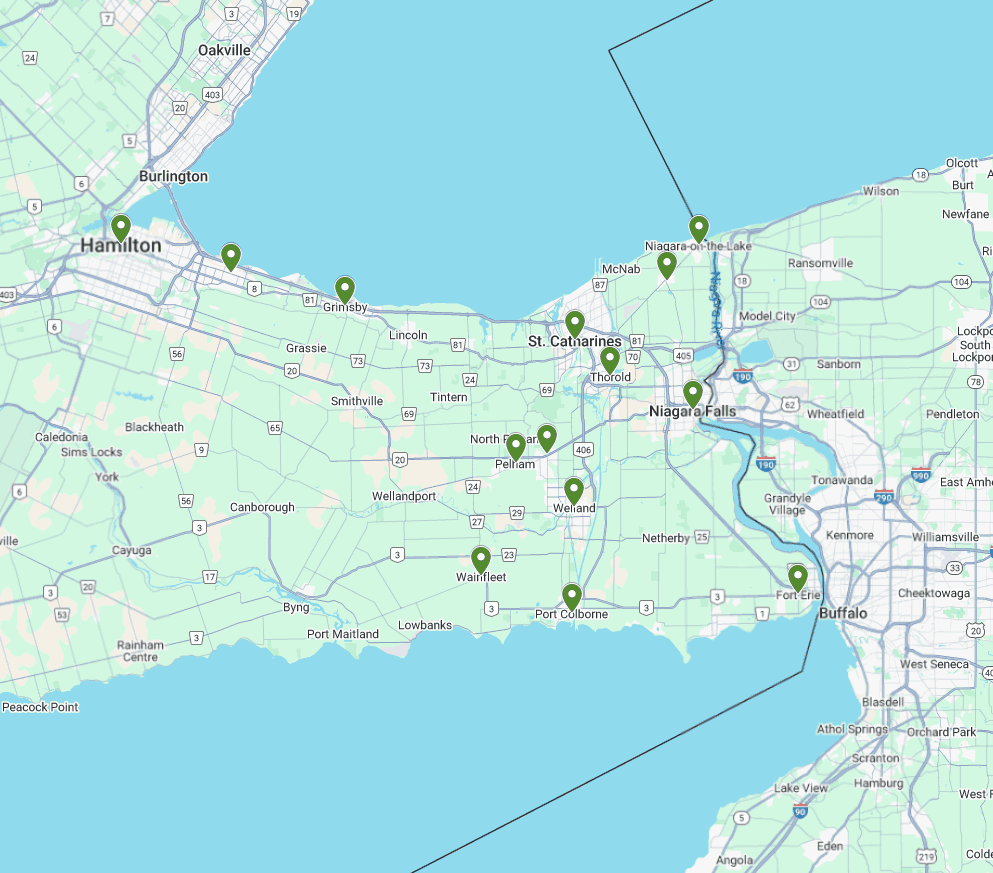
Our service areas encompass a wide range of locations, ensuring that we can meet the needs of our clients wherever they are. From bustling urban centers to serene rural landscapes, we are committed to providing top-notch services tailored to each unique environment.