



Niagara Falls homeowners considering a mini split installation can expect precise climate control, energy efficiency, and flexible design for spaces without ductwork. The service emphasizes cold-climate performance, humidity management, and zoning to heat or cool individual rooms while minimizing demolition in older homes. The process covers load assessment, system design, optimal head placement, electrical provisioning and permitting, installation timing, testing, and commissioning, followed by homeowner training on operation and maintenance to ensure reliable performance long-term.
.jpeg)
Mini Split Installation in Niagara Falls, ON
Choosing a mini split installation in Niagara Falls, ON gives homeowners precise temperature control, lower energy bills, and a flexible option for spaces where ductwork is impractical. Whether you live in a century home near the falls, a condo in downtown Niagara Falls, or a bungalow in the surrounding Niagara Region, a properly designed ductless system delivers heating and cooling tailored to your rooms while handling the cold winters and humid summers common to this area.
Why a mini split makes sense in Niagara Falls, ON
- Cold-climate performance: Modern ductless heat pumps are built to operate efficiently in subzero temperatures, making them a reliable heating source through Niagara Falls winters.
- Humidity control for lake-effect weather: Niagara’s humid summers respond well to zoned cooling that removes moisture without overcooling the whole house.
- Ideal for older or renovation homes: Many homes in the area lack ductwork or have limited attic/crawl space. Mini splits provide climate control with minimal demolition.
- Zoning saves energy: Heat or cool only occupied rooms to reduce energy usage and lower utility bills.
Common mini split installation issues in Niagara Falls, ON
- Improper sizing that leads to short cycling or insufficient comfort during extreme cold.
- Poor placement causing noise, uneven airflow, or blocked condensate drainage.
- Inadequate electrical provision or missing permits required by Niagara Region and Ontario codes.
- Incorrect refrigerant charge or poor line-set routing that reduces efficiency.
- Lack of homeowner orientation leading to misuse or missed maintenance.
The mini-split installation process — what to expect
We outline the industry-standard steps so you understand each phase and why it matters.
Initial consultation and load assessment
- A site visit with room-by-room heat loss and gain calculations (industry-standard load assessment) to determine the right capacity and number of indoor units.
- Discussion of lifestyle, zoning preferences, and any structural constraints (e.g., historic facades or condominium exterior rules).
System design for zoning and unit selection
- Creation of a zoning plan showing which rooms receive individual heads and where multi-zone outdoor units are recommended.
- Selection of cold-climate mini split models rated for Niagara’s winters, with attention to SEER/HSPF ratings and sound levels.
Recommended unit placement
- Indoor heads: placed for balanced airflow, minimal drafts, and aesthetics; often high on an interior wall or recessed in a bulkhead.
- Outdoor unit: located for clear airflow, away from heavy snow banks or splash zones, and on vibration-isolating pads when needed.
- Drain routing: ensuring gravity-assisted condensate drainage or a condensate pump if required.
Electrical work and permitting
- Verification of existing electrical capacity and installation of dedicated breakers, disconnects, and proper grounding to comply with the Ontario Electrical Safety Code.
- Permits: many installations require municipal permits and inspection in the Niagara Region; documentation of compliance is standard practice.
Installation timeline and what to expect on install day
- Typical residential install: one to two days depending on the number of zones and site complexity.
- On install day technicians will: protect flooring and furnishings, mount indoor heads, run the line-sets and electrical, set the outdoor unit, and perform initial system checks.
- Expect some drilling through exterior walls for the line set; technicians will seal and finish penetrations neatly.
Testing and commissioning procedures
- Leak test and full vacuum of refrigerant lines to industry standards.
- Proper refrigerant charge adjusted for line-set length and outdoor conditions.
- Electrical safety checks, verification of correct compressor operation, and testing of defrost cycles for heating performance.
- Airflow balancing, noise checks, and performance verification across all zones.
Homeowner operation and maintenance orientation
- Walk-through of control options: wall controllers, hand remotes, and Wi-Fi app setup where applicable.
- Explanation of modes (heat, cool, dry, auto, fan), scheduling, and energy-saving settings.
- Simple troubleshooting tips: filter cleaning frequency, how to reset error codes, and what to do if alarms appear.
- Annual maintenance checklist: inspect filters, condensate drains, outdoor coil clearance, and professional check of refrigerant and electrical systems.
Warranties and financing
- Most installations include a combination of manufacturer parts warranties and a labour warranty for installation quality. Warranty lengths vary by brand and component; confirm coverage details for compressor, parts, and labour.
- Many Niagara Falls homeowners pursue financing or incentive programs to offset upfront costs. It is common to pair a mini split with available local or national energy-efficiency incentives and flexible payment plans to make the investment more manageable.
Long-term benefits and maintenance priorities
- Properly installed mini splits can reduce heating and cooling costs by targeting only occupied spaces and by operating as efficient heat pumps in both seasons.
- Routine care preserves performance: clean or replace filters every 1–3 months depending on usage, keep outdoor units clear of snow and debris, and schedule professional servicing annually.
- Addressing installation quality early prevents common long-term issues like refrigerant loss, electrical strain, and poor humidity control.
Mini split installation in Niagara Falls, ON requires a thoughtful combination of accurate load assessment, cold-climate equipment selection, correct electrical work and permitting, precise installation and commissioning, and clear homeowner training. When each step is executed with local climate and home constraints in mind, the result is an efficient, comfortable, and reliable heating and cooling solution well suited to Niagara Region homes.

Customer Testimonials

I called John today at 2:pm as my AC was not working and I wasn’t expecting even a call back as I knew with this hot weather we have had he would be swamped with calls. Well he called me back and showed at 8:pm on the same day to fix my AC. That is just incredible service and how much John really cares about his clients. Thank you John !

I had an issue with my hot water tank and called Niagara Home Heating. Their service was fantastic and reasonably priced—exactly how a business should be run!
I have used Niagara Home heating for multiple projects for over 16 years. John and his staff are absolutely the best. I tell all my friends and family about Niagara Home Heating because you won’t get any better service or pricing anywhere in Niagara. He has saved me thousands and thousands of dollars and has never let me down.
Very efficient company. I needed an old solar water heater removed from my roof. They were quick to book an appointment for the next day after I sent photos. They were very knowledgeable of the issue. The 2 guys that came were friendly and competent with the job, including removal of all parts.
We had an amazing experience getting our new furnace installed with Niagara Home Heating. The owner was very helpful, their quote was more then competitive and the technician who installed the unit was professional and friendly. I would recommend their services.
Lifesavers!! The AC in our house decided to quit the day we were passing the keys to the new owners!! Instead of making a service call to the house, John coached me through the minor repair over the phone, saving me the money and time waiting for a repair person to come.Much appreciated! Thanks again John

Service Areas
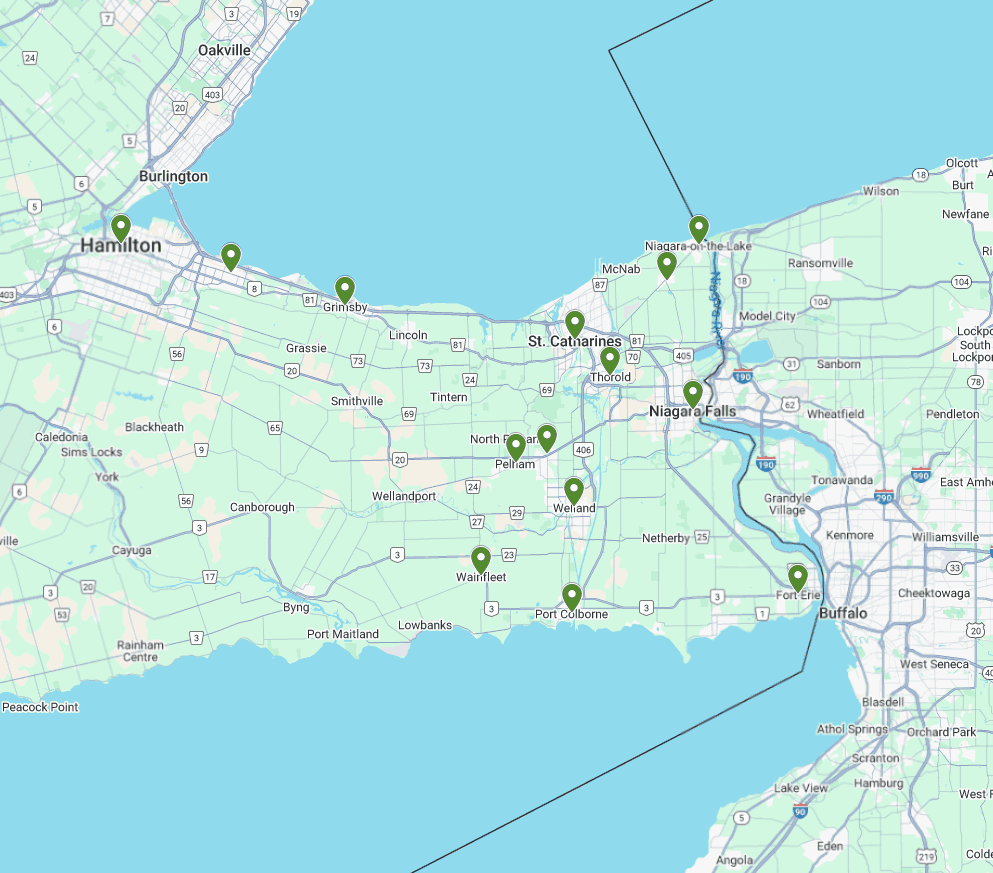
Our service areas encompass a wide range of locations, ensuring that we can meet the needs of our clients wherever they are. From bustling urban centers to serene rural landscapes, we are committed to providing top-notch services tailored to each unique environment.