



Port Colborne residents and small businesses can rely on this guide for expert mini split AC repair. It describes describess common failure modes, a detailed diagnostic workflow, typical timelines, and practical tips to minimize disruption and costs. Readers will learn about electrical, refrigerant, inverter, sensor, and drainage issues, plus repair options, warranties, and transparent pricing. Preventative maintenance tailored to the lakeside climate helps extend system life, reduce energy use, and preserve indoor comfort year-round. Trustworthy service and clear communication throughout.
.jpeg)
Mini Split Ac Repair in Port Colborne, ON
Mini split AC repair in Port Colborne, ON focuses on restoring comfort quickly and reliably for homes and small businesses that rely on ductless systems. With humid summers, lake effect weather, and seasonal temperature swings near Lake Erie, mini splits in Port Colborne face specific stresses that cause wear and failures. It describes common failure modes, the step-by-step diagnostic process technicians use, typical repair timelines and emergency response, parts and labor details, cost factors, preventative tips tailored to the region, and the kinds of service guarantees you should expect.
Why timely mini split repair matters in Port Colborne
Port Colborne summers are humid and can push mini split systems hard. When a unit is underperforming, indoor humidity rises, homes feel uncomfortable, and energy use increases. Leaving electrical, refrigerant, or compressor issues unaddressed can lead to more expensive failures and indoor air quality problems. Fast, accurate diagnostics and repairs reduce disruption and extend system life.
Common mini split failure modes in Port Colborne homes
- Electrical problems
- Tripped breakers, damaged wiring, or corroded terminals that interrupt power to indoor or outdoor units.
- Inverter faults
- Malfunctioning inverter boards or communication errors between indoor and outdoor units, leading to erratic performance or failure to start.
- Compressor problems
- Reduced cooling capacity, loud noises, or the compressor failing to engage due to mechanical wear, motor faults, or hard starts.
- Refrigerant leaks
- Low refrigerant causes poor cooling, freeze-ups on the evaporator coil, and higher energy consumption. Outdoor units near the lakeshore can be more susceptible to corrosion at service ports.
- Sensor and control failures
- Faulty temperature sensors, remote controls, or thermostats that cause incorrect cycling or poor temperature regulation.
- Condensate and drainage issues
- Clogged drain lines or pans that lead to water leaks, staining, or condensate-related shutdowns, especially with high indoor humidity.
- Fan motor or blade damage
- Indoor or outdoor fans that are noisy, wobble, or fail, reducing airflow and cooling efficiency.
Step-by-step diagnostic process technicians use
- Visual inspection
- Check indoor and outdoor units for physical damage, corrosion, wiring condition, and drainage issues.
- System power and communication check
- Verify breakers, fuses, and low-voltage control wiring. Confirm indoor-outdoor communication and inverter status codes.
- Electrical testing
- Use multimeters and amp clamps to measure voltage, current draw, and continuity on capacitors, contactors, and motors.
- Refrigerant evaluation
- Check pressure readings and superheat/subcooling to determine refrigerant charge and look for leak evidence.
- Component testing
- Test inverter boards, compressor start devices, sensors, and fan motors to isolate faulty parts.
- Operational test under load
- Run the system through modes while measuring temperatures, airflow, and pressures to confirm symptoms and validate repairs.
- Documentation and repair plan
- Provide a clear explanation of findings, recommended repairs, expected timeline, and warranty on parts and labor.
Repair solutions by failure mode
- Electrical repairs
- Replace damaged wiring, tighten connections, and service breakers or fuses. Corroded terminals near the coast are cleaned and protected with corrosion inhibitors.
- Inverter and control board replacement
- Swap faulty inverter modules or communication boards, and reprogram settings to factory specifications.
- Compressor repair and replacement
- Small compressor issues may be serviced with start kits or replacement components. When compression is mechanically failed, compressor replacement or system replacement is evaluated.
- Refrigerant leak repair and recharge
- Locate and repair leaks, replace damaged lines or fittings, evacuate and recharge to manufacturer-specified charge, and run leak tests.
- Drain and condensate repairs
- Clear blockages, replace damaged drain pans or pumps, and improve slope and insulation to prevent future clogs.
- Fan and motor replacements
- Balance or replace fans and motors, and inspect mounts and vibration isolators to reduce noise and wear.
Emergency response and typical repair timelines
- Emergency response
- Electrical shorts, major refrigerant leaks, or complete system failures that risk property damage are prioritized. Technicians follow safety protocols, isolate power, and stabilize systems to prevent secondary damage.
- Typical timelines
- Diagnostic visit: same day to 48 hours depending on demand and availability.
- Minor repairs (electrical, sensors, drain clearing): often completed the same visit.
- Parts replacement (boards, motors, compressors): can require 24 to 72 hours to source standard parts; specialty or obsolete parts may take longer.
- Seasonal note
- Peak summer demand can extend wait times for parts and appointments. Early detection in spring reduces emergency summer calls.
Parts, labor, and warranty considerations
- Parts commonly used
- Capacitors, contactors, inverter boards, temperature sensors, fan motors, compressors, line sets, expansion valves, and condensate pumps.
- Labor approach
- Technicians perform repairs with factory procedures in mind, document work performed, and test the system under load before leaving.
- Warranty expectations
- Reputable services provide parts and labor warranties. Confirm warranty length on replaced components and any workmanship guarantees before work begins.
- Transparency
- Clear explanation of recommended repairs, parts origin (OEM vs aftermarket), and estimated timelines builds trust and reduces surprise costs.
Pricing guidelines and cost factors
- Factors that influence repair cost
- Age and model of the mini split, accessibility of indoor and outdoor units, whether parts are OEM or aftermarket, extent of refrigerant recovery and leak repair, and local parts availability.
- Pricing transparency
- Expect a diagnostic fee followed by a quoted repair plan. Good services provide itemized estimates and explain how each factor affects the overall cost.
Preventative maintenance tips for Port Colborne systems
- Seasonal tuneups
- Schedule inspections before high-use seasons to verify refrigerant charge, clean coils, and test electrical components.
- Keep outdoor units clear
- Trim vegetation and remove debris to maintain airflow and reduce corrosion from moisture and road salts.
- Clean or replace filters regularly
- High humidity increases filter loading. Monthly checks during summer can prevent airflow restriction.
- Protect components from corrosion
- Apply corrosion protection on exposed fittings near the lakeshore and use protective covers in the off season while ensuring ventilation.
- Monitor performance
- Note unusual noises, higher energy bills, or humidity changes and address them early.
Service guarantees you should expect
- Clear diagnostic reports and written estimates
- Parts and labor warranty on repairs
- Work performed to manufacturer standards with documented testing
- Safety-first procedures for electrical and refrigerant work
Professional mini split AC repair in Port Colborne, ON combines fast, local knowledge of the climate and common system stresses with a methodical diagnostic approach and transparent repair process. Proper diagnostics, timely fixes, and seasonal maintenance help reduce energy use, improve comfort, and extend the life of ductless systems in the Niagara region.

Customer Testimonials

Lifesavers!! The AC in our house decided to quit the day we were passing the keys to the new owners!! Instead of making a service call to the house, John coached me through the minor repair over the phone, saving me the money and time waiting for a repair person to come.Much appreciated! Thanks again John

I called John today at 2:pm as my AC was not working and I wasn’t expecting even a call back as I knew with this hot weather we have had he would be swamped with calls. Well he called me back and showed at 8:pm on the same day to fix my AC. That is just incredible service and how much John really cares about his clients. Thank you John !
Very efficient company. I needed an old solar water heater removed from my roof. They were quick to book an appointment for the next day after I sent photos. They were very knowledgeable of the issue. The 2 guys that came were friendly and competent with the job, including removal of all parts.
We had an amazing experience getting our new furnace installed with Niagara Home Heating. The owner was very helpful, their quote was more then competitive and the technician who installed the unit was professional and friendly. I would recommend their services.
I have used Niagara Home heating for multiple projects for over 16 years. John and his staff are absolutely the best. I tell all my friends and family about Niagara Home Heating because you won’t get any better service or pricing anywhere in Niagara. He has saved me thousands and thousands of dollars and has never let me down.
I had an issue with my hot water tank and called Niagara Home Heating. Their service was fantastic and reasonably priced—exactly how a business should be run!

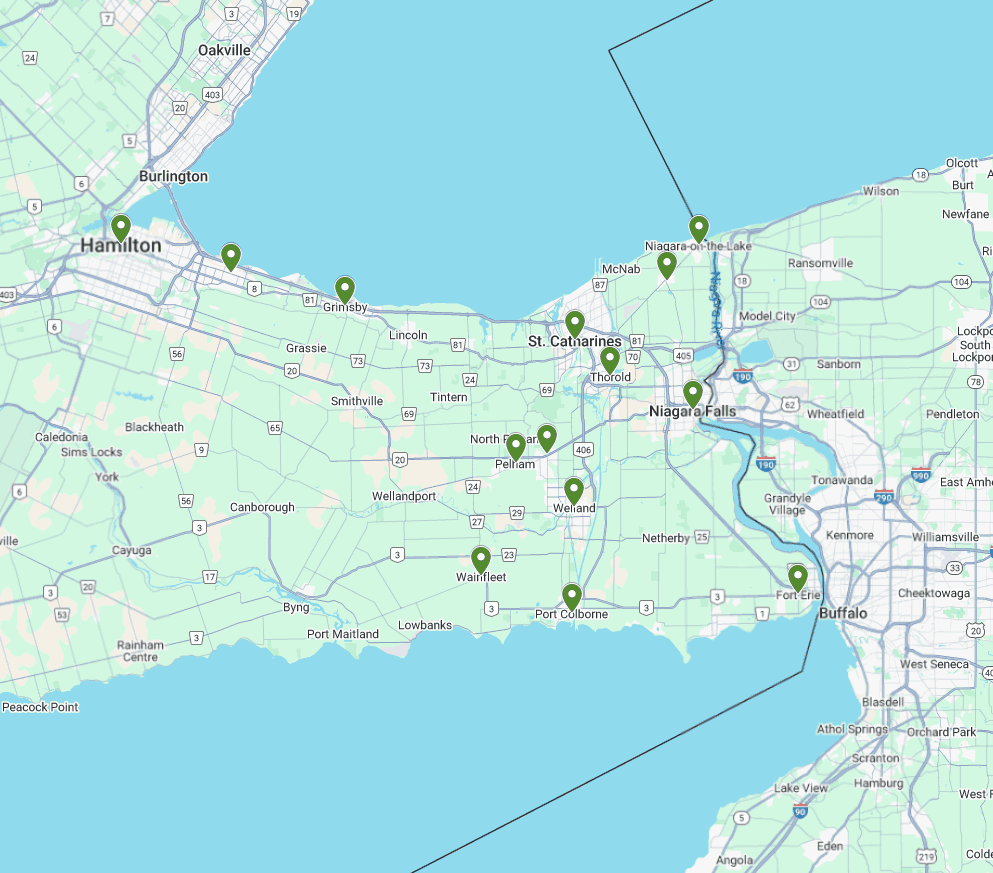
Service Areas
Our service areas encompass a wide range of locations, ensuring that we can meet the needs of our clients wherever they are. From bustling urban centers to serene rural landscapes, we are committed to providing top-notch services tailored to each unique environment.