



Port Colborne residents can explore ductless mini split systems for zone-controlled comfort without extensive ductwork. This guide explains how these heat pumps work, available indoor and outdoor unit options, and how accurate sizing and placement are determined through Manual J calculations and room-by-room loads. It covers the typical installation process, warranty and maintenance best practices, financing and rebates, common troubleshooting, and answers to frequently asked questions to help choose the right solution for local climate and home layout.
.jpeg)
Mini Split Ductless Ac in Port Colborne, ON
Ductless mini split air conditioning systems are an efficient, flexible way to cool and heat Port Colborne homes without major ductwork. For homeowners dealing with humid Lake Erie summers, inconsistent room temperatures, or limited attic and basement space for ducts, a mini split provides zoned comfort, quiet operation, and strong energy savings. It describes how these systems work, what unit types are available, how sizing and placement are determined, the typical installation process, warranty and maintenance best practices, and the local financing and rebate landscape to help Port Colborne residents choose the right solution.
Why choose a mini split for your Port Colborne home
Zoning and precise control: Independently control temperatures in bedrooms, living rooms, additions, or finished basements. Zoning reduces wasted cooling in unoccupied areas and improves comfort.
High efficiency: Modern inverter-driven compressors modulate speed for steady operation and improved seasonal energy performance ratings (SEER/EER). That matters in Port Colborne where summers are humid and long runtime can increase bills.
Quiet operation: Indoor units are typically whisper-quiet, ideal for bedrooms or home offices.
Minimal disruption: Installation requires only small refrigerant line penetrations through walls, avoiding major renovations required for ducted systems.
Year-round comfort: Many mini splits are heat pump capable so they provide efficient heating through shoulder seasons and milder winter days.
Types of indoor and outdoor units
Indoor unit options let you match comfort needs and interior style:
- Wall-mounted units - most common, flexible placement, good airflow.
- Floor-mounted units - useful in rooms where wall space is limited.
- Ceiling cassette units - centered ceiling option for even distribution in open areas.
- Concealed ducted mini splits - a hidden unit feeding short runs of flexible ducts for a more traditional look.
Outdoor options:
- Single-zone condensers - one outdoor unit per indoor head.
- Multi-zone condensers - one outdoor unit supports 2 to 8 indoor heads for coordinated multiroom systems.
- Variable-speed inverter units - provide the best efficiency and comfort by matching compressor output to the load.
How proper sizing and load calculations are performed
Correct sizing is critical. An oversized system will short cycle and fail to dehumidify; an undersized system will struggle on hot or humid days. Professional sizing includes:
A Manual J style cooling and heating load calculation that considers:
- Square footage and ceiling heights
- Window area, glazing type, and sun exposure
- Insulation levels and air leakage
- Occupant load and appliances
- Local climate factors such as humidity from Lake Erie and prevailing summer temperatures in Port Colborne
Room-by-room loads to determine zoning and capacity per indoor head.
Selection of units with appropriate SEER and HSPF ratings and matching refrigerant line sizing.
Site survey and placement considerations
A pre-install site survey evaluates best placement for indoor and outdoor units:
- Position indoor units for unobstructed airflow and minimal noise disruption.
- Avoid placing indoor heads directly above sleeping areas in small bedrooms if a low-profile or floor unit is better.
- Outdoor units should be on a level pad or wall bracket, with clearance for airflow and service access. In Port Colborne, consider elevated mounts to keep units above snow accumulation and to avoid splash from lakeshore weather.
- Route refrigerant lines and electrical runs to minimize visible disturbance while maintaining accessibility for service.
- Check local zoning, condo, or heritage restrictions that may affect exterior unit placement.
Typical installation steps
- Site survey and load calculation.
- Equipment selection and permit review if required.
- Mounting indoor heads, running refrigerant and condensate lines through a small wall hole, and installing the outdoor condenser.
- Vacuuming the refrigerant lines to remove moisture and air, then charging the system to manufacturer specifications.
- Electrical connection and safety checks.
- System commissioning, control setup, and balanced airflow verification in each zone.
- Homeowner orientation on operation and maintenance, and submission of warranty registration.
Warranty and maintenance recommendations
- Expect a manufacturer warranty on major components and a separate installer warranty on workmanship. Keep warranty paperwork and register equipment as required.
- Recommended maintenance:
- Clean or replace washable filters every 1 to 3 months depending on use.
- Annual professional tune up that includes refrigerant pressure check, electrical inspection, condensate line flush, and performance verification.
- Inspect line insulation and outdoor unit for debris after storms or high winds common near the lakeshore.
- Proper maintenance preserves efficiency, prevents breakdowns, and maintains warranty validity.
Financing and rebate options for Port Colborne homeowners
Provincial and federal programs, utility rebates, and low interest financing options are often available for high efficiency heat pumps and mini split installations. Incentive availability changes over time, but options typically include:
- Energy efficiency rebates for qualified heat pump installations.
- Low interest or deferred payment financing through contractor or lender programs.
- Potential municipal or regional incentives in the Niagara area for electrification and reduced greenhouse gas emissions.Homeowners should verify current programs at the time of purchase and ensure equipment and installer meet program requirements.
Common mini split issues and how they are diagnosed
- Poor cooling or heating performance: often caused by incorrect sizing, low refrigerant, blocked filters, or restricted airflow.
- Short cycling: usually a sign of oversized equipment or electrical control problems.
- Excess humidity: system may be running too cool for proper dehumidification, or compressor staging is incorrect.
- Water leaks from indoor unit: blocked condensate drain or improper slope on drain line.
- Noise or vibration: loose mounting or outdoor unit placed on an unstable surface.A qualified technician will perform pressure checks, visual inspections, airflow measurements, and electrical diagnostics to pinpoint causes.
FAQs
Q: Can a mini split heat my home in winter?
A: Many mini splits are heat pumps sized for heating and can provide efficient heat down to moderate subzero temperatures. For cold winter design days, confirm the unit’s low ambient heating performance and consider backup heat if your home experiences extended extreme cold.
Q: How long do mini split systems last?
A: With proper maintenance, a mini split system can last 15 to 20 years. Component longevity depends on usage, environment, and service history.
Q: Do I need permits for installation in Port Colborne?
A: Permits and inspections may be required for refrigerant handling and electrical work. A professional installer familiar with local codes will advise and obtain necessary permits.
Q: How often should filters be cleaned?
A: Clean washable filters every 1 to 3 months. Replace disposable filters per manufacturer guidance.
Q: Can one outdoor unit serve multiple rooms?
A: Yes. Multi-zone outdoor units can connect to several indoor heads, allowing tailored comfort for multiple rooms while minimizing outdoor equipment footprint.
Choosing a ductless mini split for your Port Colborne home brings targeted comfort, strong efficiency, and quiet operation. Understanding sizing, placement, maintenance, and local incentives helps ensure you pick a system that fits your home and climate.

Customer Testimonials

Very efficient company. I needed an old solar water heater removed from my roof. They were quick to book an appointment for the next day after I sent photos. They were very knowledgeable of the issue. The 2 guys that came were friendly and competent with the job, including removal of all parts.

I have used Niagara Home heating for multiple projects for over 16 years. John and his staff are absolutely the best. I tell all my friends and family about Niagara Home Heating because you won’t get any better service or pricing anywhere in Niagara. He has saved me thousands and thousands of dollars and has never let me down.
Lifesavers!! The AC in our house decided to quit the day we were passing the keys to the new owners!! Instead of making a service call to the house, John coached me through the minor repair over the phone, saving me the money and time waiting for a repair person to come.Much appreciated! Thanks again John
I called John today at 2:pm as my AC was not working and I wasn’t expecting even a call back as I knew with this hot weather we have had he would be swamped with calls. Well he called me back and showed at 8:pm on the same day to fix my AC. That is just incredible service and how much John really cares about his clients. Thank you John !
We had an amazing experience getting our new furnace installed with Niagara Home Heating. The owner was very helpful, their quote was more then competitive and the technician who installed the unit was professional and friendly. I would recommend their services.
I had an issue with my hot water tank and called Niagara Home Heating. Their service was fantastic and reasonably priced—exactly how a business should be run!

Service Areas
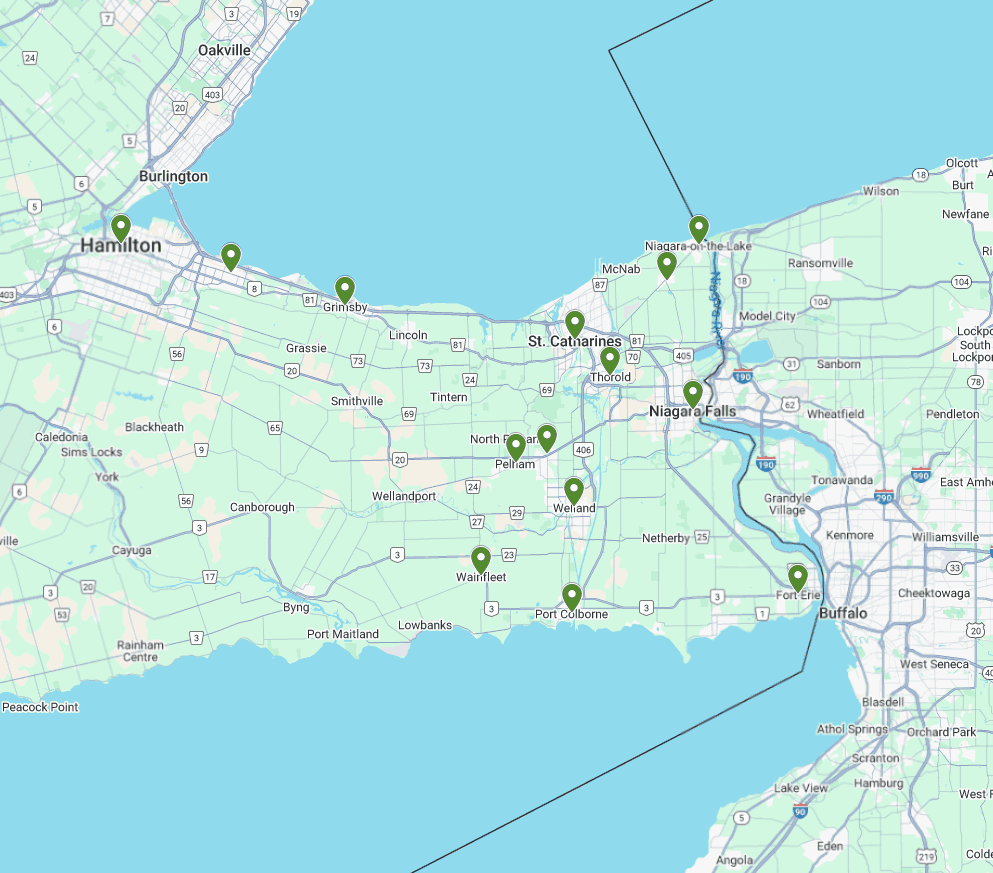
Our service areas encompass a wide range of locations, ensuring that we can meet the needs of our clients wherever they are. From bustling urban centers to serene rural landscapes, we are committed to providing top-notch services tailored to each unique environment.