



Ductless mini split AC systems in Fonthill, ON offer targeted comfort with zoning, high efficiency, and no ductwork. It describes what a mini split is, how it works for Niagara-area homes, and why it suits hot summers and cold winters. It covers site assessment, sizing, installation steps, and timelines, plus warranty, rebates, and maintenance expectations to maximize longevity. Learn how proper selection, placement, and upkeep deliver reliable year-round comfort and energy savings for bedrooms, basements, and additions.
.jpeg)
Mini Split Ductless Ac in Fonthill, ON
Ductless mini split air conditioning systems are an efficient, flexible way to cool and heat rooms in Fonthill, ON homes without the cost and disruption of installing ductwork. If you are dealing with hot, humid Niagara summers, bedrooms that never seem to get cool, or chilly finished basements and additions that are expensive to heat, a mini split delivers targeted comfort where you need it most. Below is a clear, expert breakdown of what these systems are, why they work well in Fonthill, how we evaluate and install them, and what to expect for warranties, rebates, and long term maintenance.
What is a mini split ductless AC and why it matters in Fonthill
A mini split is a compact heat pump system that pairs one outdoor condenser with one or more indoor air handlers. Each indoor unit provides independent temperature control for its zone. For Fonthill homes, this means:
- Zoning to cool or heat only the rooms you use during hot humid summers and cold winters.
- Improved energy efficiency over window units and some central systems, especially when duct losses are high.
- Quiet operation well suited to bedrooms, home offices, and media rooms.
- Minimal installation disruption and no new ductwork needed for older homes, additions, or cottages in the Niagara area.
Common ductless system types and popular makes
Available system styles:
- Single-zone wall-mounted units for a single room or basement.
- Multi-zone systems for whole-home solutions with 2 to 8 indoor units.
- Ceiling cassette and concealed ducted indoor units for a discreet appearance.
- Floor consoles for spaces with low wall clearance.
Frequent manufacturer options you will encounter include Mitsubishi, Daikin, Fujitsu, LG, Panasonic, Samsung, and Gree. Each brand has models optimized for efficiency, quiet operation, and cold-climate performance. Selecting the right make and model depends on your zoning plan, aesthetic preferences, and performance priorities.
Typical service types and common issues in Fonthill homes
Services provided for mini splits:
- New installations and system replacements
- Sizing and load calculations
- Electrical and mounting work
- Seasonal maintenance and filter cleaning
- Repairs and refrigerant leak detection
- Winter commissioning and cold-weather operation checks
Common issues homeowners see:
- Poor performance due to undersizing or incorrect placement
- Reduced airflow from dirty filters or obstructed indoor units
- Short cycling or error codes from electrical or refrigerant problems
- Lack of heat in very cold spells if an older model is not rated for cold climates
Site assessment and sizing process
A careful site assessment is the foundation of a reliable mini split installation. The process includes:
- Room-by-room heat load analysis (similar to a Manual J) considering insulation, window type and orientation, ceiling height, occupancy, and major heat sources.
- Evaluation of ideal indoor unit locations for airflow, noise, and aesthetics.
- Determination of outdoor condenser placement for clearance, accessibility, and refrigerant line routing.
- Electrical capacity check to verify panel capability and identify any needed upgrades.
Correct sizing avoids undersized systems that struggle on hot humid days and oversized systems that short cycle and waste energy. For Fonthill homes, special attention is given to south- and west-facing rooms that gain summer heat and to basements that require consistent heating during shoulder seasons.
Typical installation steps and timeline
A standard single-zone wall-mounted mini split installation usually follows these steps:
- On-site final assessment and marking of indoor unit location.
- Installation of outdoor unit pad or bracket and mounting of the indoor unit.
- Routing of refrigerant line set, condensate drain, and low-voltage wiring through a small 2 to 3 inch hole.
- Electrical tie-in to the existing breaker panel and testing of controls.
- Vacuuming and charging of the refrigerant system, leak checks, and system commissioning.
- Customer walkthrough on system use and basic filter maintenance.
Timeline estimates:
- Single-zone: 4 to 8 hours in most homes.
- Multi-zone: 1 to 3 days depending on number of indoor units and complexity of line routing.Permits or utility notifications may add time to the project. Weather and site specifics also affect scheduling.
Warranty options and financing / rebate information
Mini split systems typically include:
- Manufacturer warranties on the compressor and major components (lengths vary by brand and model).
- Parts and labour warranty options through installers for additional protection.
Homeowners in Ontario may qualify for federal and provincial efficiency incentives and local utility rebates for installing high-efficiency heat pumps. Financing is commonly available through HVAC financing programs or low-interest home improvement loans to spread installation costs. When evaluating systems, consider both manufacturer warranty terms and available financing or rebate opportunities to lower upfront costs and improve long-term value.
Maintenance and longevity expectations
Regular maintenance extends system life and preserves efficiency:
- Clean or replace indoor filters every 1 to 3 months depending on use.
- Annual professional tune-ups to check refrigerant levels, clean coils, and verify electrical connections.
- Keep outdoor condenser clear of debris, snow, and vegetation for airflow.
With routine maintenance, ductless mini splits can last 15 to 25 years. Replacing filters, keeping drain lines clear, and scheduling yearly inspections are simple steps that prevent common failures and keep seasonal performance optimal in Fonthill’s humid summers and cold winters.
Before and after examples (project snapshots)
- Before: Second-floor bedrooms remained warm with a central system that leaked conditioned air through older ducts. After: Two-zone mini split installation provided independent control, lowering energy use and improving overnight comfort without duct repairs.
- Before: Finished basement was cold in spring and fall and relied on space heaters. After: Single-zone floor console mini split delivered year-round heat and quiet cooling, eliminating costly supplemental heating.
These practical conversions show how mini splits resolve common comfort and efficiency problems in Niagara Region homes.
Final considerations for Fonthill homeowners
Mini splits are particularly well suited to Fonthill for targeted comfort, energy savings in humid summers, and effective heating in milder shoulder seasons. When planning a system, prioritize correct sizing, placement for airflow and noise, and verifying warranty details and incentive eligibility. With proper assessment and maintenance, a ductless mini split can be a durable, efficient solution for bedrooms, basements, additions, and whole-home conversions without ducts.

Customer Testimonials

I have used Niagara Home heating for multiple projects for over 16 years. John and his staff are absolutely the best. I tell all my friends and family about Niagara Home Heating because you won’t get any better service or pricing anywhere in Niagara. He has saved me thousands and thousands of dollars and has never let me down.

Lifesavers!! The AC in our house decided to quit the day we were passing the keys to the new owners!! Instead of making a service call to the house, John coached me through the minor repair over the phone, saving me the money and time waiting for a repair person to come.Much appreciated! Thanks again John
I had an issue with my hot water tank and called Niagara Home Heating. Their service was fantastic and reasonably priced—exactly how a business should be run!
I called John today at 2:pm as my AC was not working and I wasn’t expecting even a call back as I knew with this hot weather we have had he would be swamped with calls. Well he called me back and showed at 8:pm on the same day to fix my AC. That is just incredible service and how much John really cares about his clients. Thank you John !
Very efficient company. I needed an old solar water heater removed from my roof. They were quick to book an appointment for the next day after I sent photos. They were very knowledgeable of the issue. The 2 guys that came were friendly and competent with the job, including removal of all parts.
We had an amazing experience getting our new furnace installed with Niagara Home Heating. The owner was very helpful, their quote was more then competitive and the technician who installed the unit was professional and friendly. I would recommend their services.

Service Areas
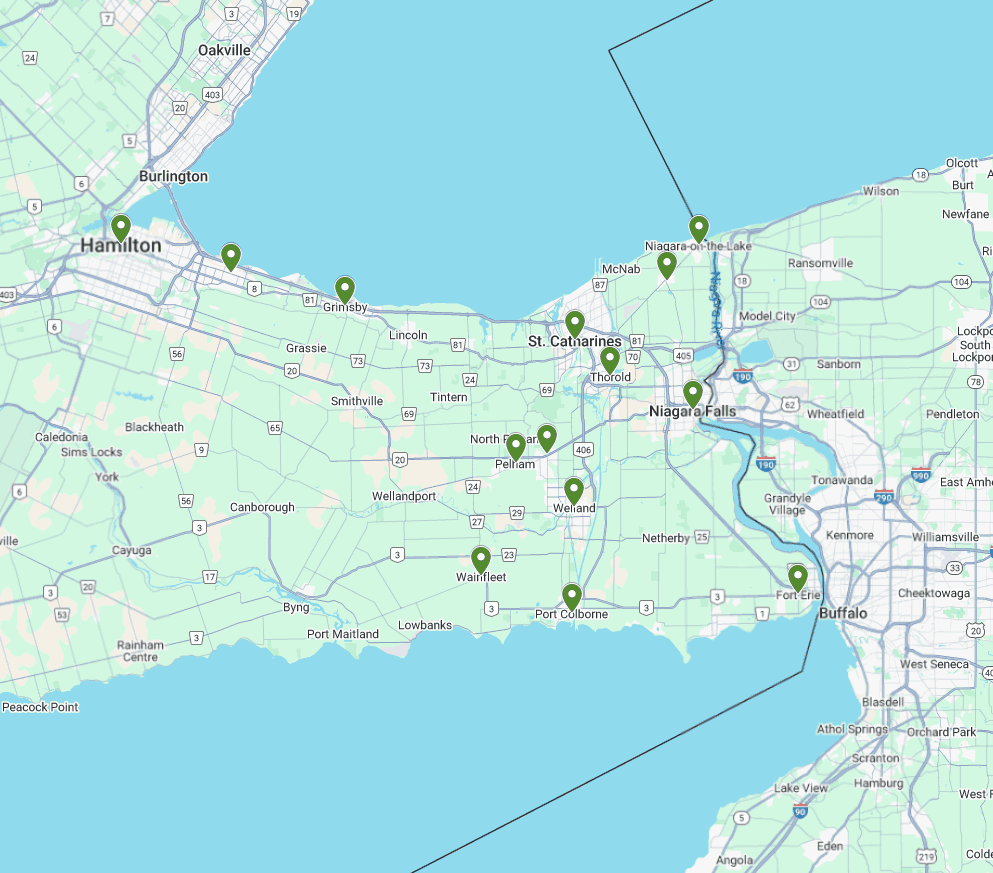
Our service areas encompass a wide range of locations, ensuring that we can meet the needs of our clients wherever they are. From bustling urban centers to serene rural landscapes, we are committed to providing top-notch services tailored to each unique environment.