



Mini split installation in Fonthill, ON provides a detailed overview of choosing, sizing, and installing ductless systems for zoned heating and cooling. The guide covers common unit types, typical installation challenges, and essential permits, with step-by-step procedures from initial consultation through post-install testing and warranty handoff. It emphasizes safety, code compliance, energy efficiency, and careful site planning, including indoor and outdoor placement, refrigerant routing, and electrical considerations. The material equips homeowners with practical insights to evaluate options and coordinate a successful project.
.jpeg)
Mini Split Installation in Fonthill, ON
Installing a mini split is one of the most effective ways to add efficient, zoned heating and cooling to homes in Fonthill, ON. With hot, humid summers and cold winters common in the Niagara Region, a properly sized ductless mini split can lower energy bills, provide quiet comfort room by room, and avoid the disruption of ductwork. It describes the full mini split installation process for Fonthill homes, explains common system types and issues, details required permits and code considerations, and gives practical guidance for pre-install preparation and post-install handoff.
Common mini split types and common issues in Fonthill
Understanding the options helps you choose the right system for your home.
- Wall-mounted single-zone units: Ideal for individual rooms or small additions.
- Multi-zone systems: One outdoor compressor serving multiple indoor heads for whole-house flexibility.
- Ceiling cassette and floor-mounted heads: Good for open-plan areas or finished basements.
- Cold-climate heat pump models: Designed to deliver reliable heat throughout Fonthill winters.
Typical installation issues installers resolve:
- Incorrect capacity sizing leading to short-cycling or inadequate comfort.
- Poor indoor unit placement causing uneven airflow or cold/hot spots.
- Long or routed refrigerant lines that reduce efficiency.
- Electrical service limitations or missing circuit protection.
- Permitting or code compliance oversights that delay final approval.
The mini split installation process in Fonthill, ON
This is the standard sequence most professional installations follow. Each step is focused on safety, efficiency, and code compliance.
- Initial consultation and on-site measurement
- Technician assesses rooms, insulation, window orientation, and occupancy to perform a load calculation.
- Discuss aesthetic preferences, preferred indoor head locations, and multi-zone needs.
- Review existing electrical service capacity and any planned renovations.
- Equipment selection
- Choose system type (single vs multi-zone), capacity, and cold-climate options based on the load calculation.
- Evaluate inverter-driven units for better efficiency and quieter operation.
- Confirm warranty coverage and recommended maintenance intervals.
- Indoor and outdoor unit placement planning
- Position indoor heads for balanced airflow and minimal obstruction.
- Place the outdoor unit where it has good airflow, is easily accessible for service, and is protected from snow buildup common in our area.
- Plan refrigerant line routes with minimal bends and shortest practical run lengths.
- Permits and code compliance
- Coordinate required permits with the local municipality (Town of Pelham) and ensure electrical work meets Ontario Electrical Safety Authority requirements.
- All refrigerant handling and pressure testing are performed by certified technicians to comply with regulations.
- Refrigerant line, condensate, and electrical work
- Drill a small penetration for the line set or use an existing chase when possible.
- Install insulated refrigerant lines, condensate drain, and control wiring, and make outdoor and indoor electrical connections.
- Upgrade electrical breakers or service panels if required for safe operation.
- Installation day: mounting and interconnects
- Secure indoor heads, mount outdoor compressor on a pad or bracket, and route lines and wiring.
- Pressure test and evacuate the system to meet manufacturer specifications before charging.
- Post-install testing and commissioning
- Charge refrigerant to correct levels, verify electrical connections, and run full diagnostics.
- Balance airflow, check temperature differentials, and confirm heating performance in low ambient conditions.
- Provide system documentation, warranty registration, and an operational walkthrough.
Permits, safety and local code considerations
- Electrical modifications require sign-off from the Electrical Safety Authority in Ontario.
- Mechanical or building permits may be required by the Town of Pelham depending on scope.
- Certified refrigerant handling and adherence to manufacturer instructions are essential to protect warranty and performance.
- Professional installers will prepare permit documentation and work to local code to ensure a smooth inspection process.
Typical timeline and cost factors
Average project timeline for most single or multi-zone installs in Fonthill:
- Initial consultation and proposal: 1 to 7 days
- Permit processing: varies by municipality
- Installation duration: commonly 1 to 3 days for residential jobs (complex multi-zone or structural changes may take longer)
Primary cost drivers:
- Number of zones and indoor heads required
- System capacity and cold-climate model selection
- Complexity of line set routing and mounting (height, masonry, chases)
- Need for electrical service upgrades or new circuits
- Permit fees and any required structural work
Pre-installation checklist for homeowners
Preparing ahead reduces delays and helps technicians work safely and quickly.
- Clear furniture and wall space where indoor units will be mounted.
- Ensure the outdoor unit location is accessible and clear from vegetation or stored items.
- Confirm access to the main electrical panel if upgrades are likely.
- Identify and clear the route for line sets and interiors where holes may be drilled.
- Notify the installer of any pets, building access rules, or condo/HOA restrictions.
Post-install testing, commissioning, and warranty handoff
After installation, a thorough commissioning process validates performance and protects your investment.
- Functional tests: heating and cooling modes, defrost cycles, and remote control functionality.
- Pressure and leak checks for refrigerant integrity.
- Training: technicians will explain filters, basic troubleshooting, and seasonal operation tailored to Fonthill conditions.
- Documentation: provide equipment manuals, warranty paperwork, and recommended maintenance schedules.
- Maintenance handoff: discuss annual service visits, filter replacement frequency, and what voids or maintains warranty coverage.
Maintenance tips and long-term reliability
Routine care keeps a mini split operating efficiently for years.
- Clean or replace filters monthly to quarterly depending on use and indoor air quality.
- Keep 1 meter or more of clearance around the outdoor unit and remove winter snow buildup.
- Schedule annual professional inspections that include electrical checks, refrigerant condition, and airflow testing.
- Address unusual noises, reduced airflow, or performance drops promptly to avoid larger failures.
Why a mini split is a good fit for Fonthill homesMini splits provide targeted comfort without ductwork disruption, ideal for older local homes, additions, or rooms that struggle with existing HVAC. Their efficiency, especially with inverter-driven compressors and cold-climate models, helps reduce energy bills and maintain comfort through Niagara Region summers and winters. Local professional installers understand municipal permit processes, Ontario safety codes, and the best practices to maximize system life and warranty protection.
This overview gives the practical, decision-stage information homeowners in Fonthill need to evaluate a mini split installation. With careful sizing, compliant installation, and a clear maintenance plan, a ductless mini split can deliver reliable, efficient comfort that fits your home and regional needs.

Customer Testimonials

We had an amazing experience getting our new furnace installed with Niagara Home Heating. The owner was very helpful, their quote was more then competitive and the technician who installed the unit was professional and friendly. I would recommend their services.

Lifesavers!! The AC in our house decided to quit the day we were passing the keys to the new owners!! Instead of making a service call to the house, John coached me through the minor repair over the phone, saving me the money and time waiting for a repair person to come.Much appreciated! Thanks again John
I called John today at 2:pm as my AC was not working and I wasn’t expecting even a call back as I knew with this hot weather we have had he would be swamped with calls. Well he called me back and showed at 8:pm on the same day to fix my AC. That is just incredible service and how much John really cares about his clients. Thank you John !
Very efficient company. I needed an old solar water heater removed from my roof. They were quick to book an appointment for the next day after I sent photos. They were very knowledgeable of the issue. The 2 guys that came were friendly and competent with the job, including removal of all parts.
I had an issue with my hot water tank and called Niagara Home Heating. Their service was fantastic and reasonably priced—exactly how a business should be run!
I have used Niagara Home heating for multiple projects for over 16 years. John and his staff are absolutely the best. I tell all my friends and family about Niagara Home Heating because you won’t get any better service or pricing anywhere in Niagara. He has saved me thousands and thousands of dollars and has never let me down.

Service Areas
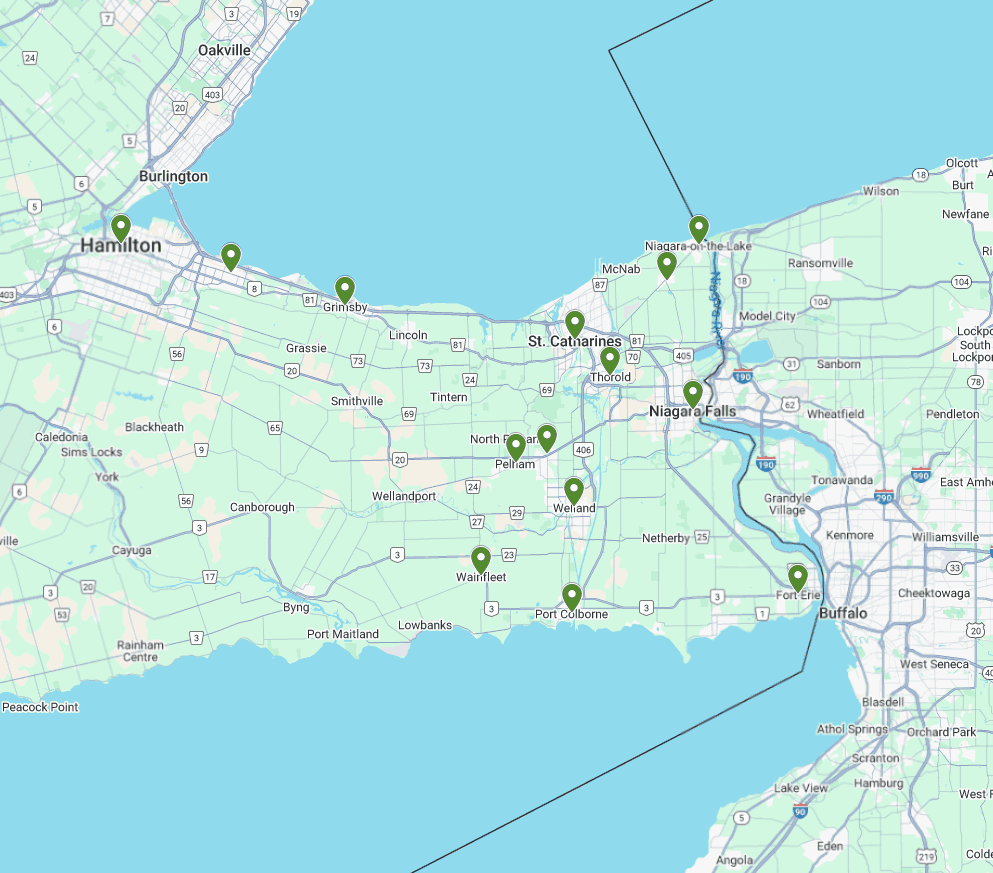
Our service areas encompass a wide range of locations, ensuring that we can meet the needs of our clients wherever they are. From bustling urban centers to serene rural landscapes, we are committed to providing top-notch services tailored to each unique environment.