



It describes ductless mini-split heat pump systems for Hamilton homes, highlighting zone control, energy efficiency, and installation options that avoid ductwork. It covers system types, common issues in Hamilton, and the importance of proper sizing, load calculations, and climate considerations near Lake Ontario. Readers get an overview of the typical installation process, warranties, financing, rebates, maintenance routines, common repairs, and practical tips for choosing cold-climate models to ensure year-round comfort. The guide emphasizes professional sizing, local rebates, and expectations for performance.
.jpeg)
Mini Split Ductless Ac in Hamilton, ON
Ductless mini-split AC systems are an efficient, flexible way to cool and heat Hamilton homes that lack central ductwork or need better zone control. With hot, humid summers and cold winters influenced by Lake Ontario, many homeowners in Hamilton are choosing ductless mini-splits to reduce energy use, improve comfort in single rooms or additions, and avoid invasive ductwork in older or heritage properties. It describes what ductless mini-splits are, common issues Hamilton homeowners face, installation and sizing considerations, maintenance needs, warranties and rebate possibilities, and answers frequently asked questions.
What is a ductless mini-split and why it fits Hamilton homes
A ductless mini-split is a heat pump system with an outdoor compressor/condenser and one or more indoor units mounted on walls, floors, or ceilings. Each indoor unit serves a zone, allowing precise temperature control where you live and sleep. Key benefits include:
- Zone control for rooms with different comfort needs, such as bedrooms, basements, and sunrooms.
- Energy efficiency by avoiding duct losses common in older homes and targeting only occupied areas.
- Quiet operation indoors, making them ideal for bedrooms and home offices.
- Minimal installation impact for renovations, condos, and heritage homes where cutting ducts is impractical.
Common mini split types and indoor unit options
- Wall-mounted units: Most common, small footprint, installed high on a wall for efficient air distribution.
- Floor-mounted units: Good for rooms with low ceiling clearance or retrofit basements.
- Ceiling cassette units: Centrally mounted for even distribution in open-plan rooms.
- Multi-zone outdoor units: One outdoor compressor can serve 2 to 8 indoor units, ideal for whole-home or multi-room solutions.
Common mini split issues in Hamilton
- Reduced cooling in peak summer humidity due to undersized systems or dirty filters.
- Short cycling and uneven temperatures from incorrect sizing or poor indoor unit placement.
- Frozen coils or reduced heating performance in extreme cold when non-cold-climate units are used.
- Refrigerant leaks leading to low efficiency and reduced capacity.
- Noise complaints from outdoor units placed too close to bedrooms or neighboring properties.
- Clogged condensate drains or overflow in humid months causing water stains or indoor humidity issues.
Sizing and load-calculation considerations
Proper sizing is essential to performance and longevity. Oversized systems short cycle and under-deliver on dehumidification; undersized systems run constantly and wear out faster. For Hamilton homes a professional assessment should include:
- Room-by-room heat gain and loss (Manual J style) accounting for insulation, window orientation, glazing, and occupancy.
- Local climate factors: summer humidity near Lake Ontario and cold winter lows that may require cold-climate heat pump models.
- Home envelope condition: older, drafty homes often need larger capacity or supplemental improvements.
- Internal heat sources like kitchens, skylights, and high ceilings that change load calculations.
Typical installation process
A professional installation generally follows these steps:
- Site survey: Inspect the space, electrical capacity, wall locations, and potential mounting positions for indoor and outdoor units.
- System design and selection: Choose the right indoor unit types, outdoor condenser, and number of zones based on load calculations.
- Mounting indoor units: Secure wall, floor, or ceiling units and route minimal refrigerant lines through a small hole to the outside.
- Refrigerant line and condensate routing: Install insulated refrigerant lines and a condensate drain line, keeping exterior impact minimal.
- Electrical hookup: Connect to a dedicated circuit or subpanel and install required disconnects and protection per local code.
- Commissioning: Evacuate lines, charge refrigerant to manufacturer specifications, test controls, and balance airflow.
- Final inspection and paperwork: Ensure installation meets local building code and provide warranty documentation.
Hamilton installations may require permits or inspections depending on municipal rules; a qualified technician will handle code compliance.
Warranties, financing, and rebates
- Warranties: Manufacturers typically offer limited parts and compressor warranties; contractors often provide labor warranties for installations. Confirm exact warranty durations and registration requirements when purchasing.
- Financing: Many homeowners finance equipment through home improvement loans or contractor financing programs. Terms vary by provider.
- Rebates and incentives: Ductless mini-splits that are heat pumps may qualify for federal and provincial energy-efficiency incentive programs or local utility rebates. Programs change periodically, so check current eligibility for Hamilton residents or consult with a qualified advisor about available grants and heat pump incentives.
Maintenance and common repairs
Routine maintenance keeps performance high and operating costs low:
- Clean or replace washable filters every 1 to 3 months during heavy use.
- Annual professional tune-up to check refrigerant charge, electrical connections, and coil cleanliness.
- Keep outdoor unit clear of debris, vegetation, and snow for proper airflow.
- Inspect and clear condensate drain lines to prevent clogs and indoor water issues.
- Address refrigerant leaks or unusual noises promptly to avoid compressor damage.
Common repairs include refrigerant recharges and leak repair, fan motor replacement, sensor calibration, and drain line clearing. Regular maintenance reduces the likelihood of major repairs.
Frequently asked questions (Hamilton homeowners)
Q: Can a mini-split heat my home through a Hamilton winter?A: Many modern mini-split heat pumps are cold-climate rated and can provide efficient heating down to well below freezing. Performance varies by model; proper sizing and a high-efficiency, cold-climate unit ensure reliable winter heating in Hamilton.
Q: Will a ductless system handle high humidity?A: Ductless units dehumidify while cooling, but correct sizing and longer run times improve moisture removal. In very humid conditions, oversized units may cool quickly without removing enough humidity, so proper load calculation is important.
Q: How disruptive is installation in an older or heritage home?A: Installation is minimally invasive. Refrigerant lines and electrical wiring pass through a small exterior hole. Indoor units mount with brackets, avoiding ductwork and major structural changes.
Q: How long do ductless systems last?A: With regular maintenance, ductless mini-splits often last 12 to 20 years. Lifespan depends on usage, maintenance frequency, and installation quality.
Q: Are multi-zone systems noisy outdoors?A: Outdoor units vary by model. Proper placement, vibration isolation pads, and distance from living spaces minimize noise impact, which is especially important in denser Hamilton neighborhoods.
Conclusion and homeowner tips
Ductless mini-split AC systems offer Hamilton homeowners targeted comfort, improved energy efficiency, and a practical solution for homes without ducts or for room-by-room temperature control. The key to long-term satisfaction is correct system selection, professional sizing and installation, and routine maintenance matched to local climate demands. When considering a mini-split in Hamilton, prioritize cold-climate models for reliable winter heating, confirm warranty coverage, and explore current rebates that may apply to heat pump installations in your area. Regular filter care and annual professional inspections will keep your system efficient and comfortable for years.

Customer Testimonials

Very efficient company. I needed an old solar water heater removed from my roof. They were quick to book an appointment for the next day after I sent photos. They were very knowledgeable of the issue. The 2 guys that came were friendly and competent with the job, including removal of all parts.

We had an amazing experience getting our new furnace installed with Niagara Home Heating. The owner was very helpful, their quote was more then competitive and the technician who installed the unit was professional and friendly. I would recommend their services.
Lifesavers!! The AC in our house decided to quit the day we were passing the keys to the new owners!! Instead of making a service call to the house, John coached me through the minor repair over the phone, saving me the money and time waiting for a repair person to come.Much appreciated! Thanks again John
I had an issue with my hot water tank and called Niagara Home Heating. Their service was fantastic and reasonably priced—exactly how a business should be run!
I have used Niagara Home heating for multiple projects for over 16 years. John and his staff are absolutely the best. I tell all my friends and family about Niagara Home Heating because you won’t get any better service or pricing anywhere in Niagara. He has saved me thousands and thousands of dollars and has never let me down.
I called John today at 2:pm as my AC was not working and I wasn’t expecting even a call back as I knew with this hot weather we have had he would be swamped with calls. Well he called me back and showed at 8:pm on the same day to fix my AC. That is just incredible service and how much John really cares about his clients. Thank you John !

Service Areas
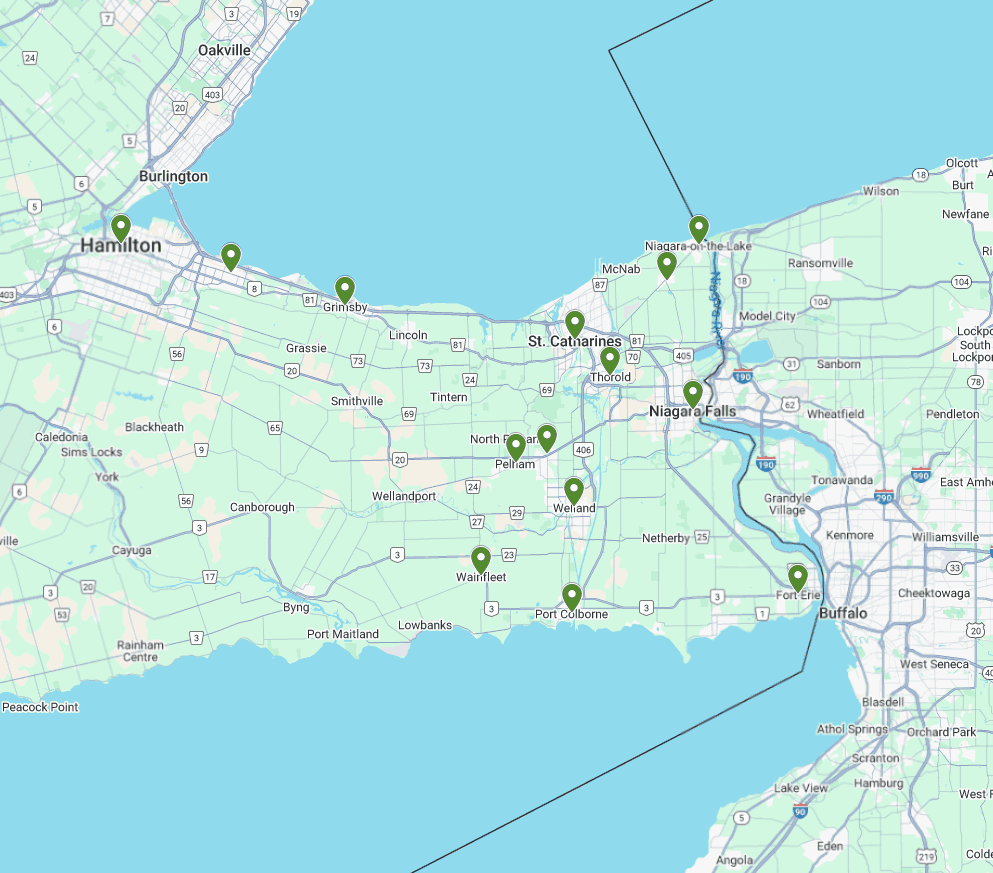
Our service areas encompass a wide range of locations, ensuring that we can meet the needs of our clients wherever they are. From bustling urban centers to serene rural landscapes, we are committed to providing top-notch services tailored to each unique environment.