



Stoney Creek mini split ductless AC systems offer precise zoning, energy efficiency, and quiet operation for homes with variable cooling needs. It describes covers types, sizing, installation considerations, brand options, maintenance, warranties, and local rebates and financing. It explains professional assessment procedures, common installation steps, and how to select models suited to cold winters. Practical guidance on troubleshooting, service area notes, and cost-saving strategies helps homeowners decide on single-zone or multi-zone configurations with confidence for improved comfort and long-term value.
.jpeg)
Mini Split Ductless Ac in Stoney Creek, ON
Mini split ductless AC systems are an efficient, flexible cooling and heating solution for Stoney Creek homes. With hot, humid summers and cold winters influenced by nearby Lake Ontario, homeowners here benefit from systems that provide precise zoning, lower energy use, and quiet operation. It describes the types of mini splits, sizing and installation considerations for Stoney Creek properties, brand and model comparisons, maintenance and warranty details, and common local rebate and financing options to help you decide with confidence.
Why choose a mini split ductless AC in Stoney Creek, ON
- Zoning control: Cool or heat individual rooms independently to reduce wasted energy in unused areas—ideal for older Stoney Creek houses with multiple living spaces or additions.
- Energy efficiency: Modern inverter-driven mini splits adjust compressor speed to match demand, delivering higher seasonal efficiency (lower utility bills) during the long cooling season.
- Quiet, compact operation: Low indoor noise levels and unobtrusive wall-mounted or ceiling cassette units preserve home comfort without large ductwork.
- Heating capability: Many mini splits are heat pumps that provide efficient heating through shoulder seasons and can supplement or replace baseboard or furnace heat in milder winters.
Common mini split types and what fits Stoney Creek homes
- Single-zone systems: One outdoor unit connected to one indoor head — best for a single finished basement, primary bedroom, or sunroom.
- Multi-zone systems: One outdoor condensing unit serving 2–8 indoor heads — great for multi-room control in row homes, bungalows, or multi-level houses.
- Wall-mounted head: Most common for bedrooms and living rooms; simple installation and performance.
- Ceiling cassette or ducted heads: For a discreet look in renovated basements or open-concept living areas where wall space is limited.
- High-ambient and cold-climate models: If you need reliable heating through colder snaps, choose models rated for low-temperature operation.
Sizing considerations for accurate performance
Proper sizing is critical. Oversized units short-cycle and reduce humidity control; undersized units struggle on the hottest days. Key factors:
- Room area and ceiling height
- Window orientation and glazing (south- and west-facing rooms gain heat)
- Insulation levels and drafts common in older Stoney Creek homes
- Number of occupants and internal heat sources (appliances, electronics)
- Desired temperature and zoning strategy
A professional assessment typically uses a heat-loss/heat-gain calculation (industry-standard Manual J principles) to recommend capacity in BTU/h and the number of zones.
Professional assessment and installation process
A reliable installation follows clear steps:
- On-site evaluation: Measure rooms, inspect insulation, check electrical service and ideal outdoor unit location (clearance from neighbors, noise considerations, and airflow).
- Load calculation and system selection: Choose single- or multi-zone layout, specify indoor head types and line-set lengths.
- Electrical and permit review: Confirm circuit capacity and compliance with local codes for Niagara Region and Hamilton-area installations.
- Installation: Mount indoor heads, place outdoor condenser on a pad or bracket, run refrigerant lines and condensate drain, and make electrical connections.
- Evacuation and charging: Proper vacuuming of refrigerant lines and charging to manufacturer specs to prevent efficiency loss.
- Commissioning: System startup, thermostat/controller setup, airflow balancing, and customer orientation on controls and maintenance tasks.
Proper line-set routing and leak-free brazing, plus careful placement to avoid excessive noise or vibration, protect long-term performance—especially in tight Stoney Creek yards or multi-unit properties.
Brands and model comparisons
Top manufacturers to consider for balancing reliability, efficiency, and cold-climate performance:
- Mitsubishi Electric: Known for high efficiency, quiet indoor heads, and strong cold-climate heating models.
- Fujitsu: Competitive efficiency with compact indoor designs and good multi-zone solutions.
- Daikin: Broad product line, good warranty options, and advanced controls.
- LG and Panasonic: Attractive indoor aesthetics, smart features, and solid performance at various price points.
- Gree and Midea: Budget-friendly units with improved inverter technology but shop models carefully for warranty and installation support.
Compare SEER2/EER2 (cooling efficiency) and HSPF2 or COP for heating. Also review noise ratings, smart controls, and outdoor unit size when choosing models for tight Stoney Creek lots.
Maintenance needs and warranty information
Routine maintenance keeps performance high and prevents costly repairs:
- Clean or replace filters every 1–3 months depending on use
- Annual professional inspection: refrigerant level check, electrical connections, condensate drain cleaning, and coil cleaning
- Keep outdoor unit clear of debris, snow, and overgrowth typical of Stoney Creek yards
- Address unusual noises, ice buildup, or reduced airflow promptly to avoid compressor strain
Manufacturer warranties commonly cover compressors and major components for a number of years (ranges vary by brand and model). Labour warranties depend on installer policies. Extended warranties and service agreements are often available and worth considering for peace of mind.
Common issues and solutions in the Stoney Creek area
- Reduced cooling during humid summer days: Usually due to undersized equipment or dirty coils—solution is cleaning, refrigerant check, or upsizing for that space.
- Drafty older homes affecting comfort: Combine zoning with targeted insulation improvements to get the most from a mini split.
- Outdoor unit placement limitations in small city lots: Consider low-profile condensers or balcony mounting options where permitted.
- Winter performance dips: Choose cold-climate-rated models and ensure proper refrigerant charge and defrost cycle operation.
Financing and rebate options
Multiple pathways can offset upfront cost:
- Federal and provincial rebates and incentive programs often include heat pump installations—check eligibility for home retrofit grants and energy-efficiency programs.
- Local utility or municipal rebates in the Niagara/Hamilton region may apply to high-efficiency heat pumps.
- Flexible financing plans and seasonal promotions can help spread the investment over time.
Eligibility rules and available programs change; verify current incentives and documentation requirements when planning a project.
Service area notes for Stoney Creek homeowners
Stoney Creek’s mix of historic stone homes, bungalows, and newer subdivisions means mini split ductless AC is an especially useful option: minimal disruption for renovations, efficient cooling for humid summers, and supplemental heating for milder winter days. Consider multi-zone systems for open-concept renovations or targeted single-zone units for basements and sunrooms.
With correct sizing, quality equipment, and routine maintenance, a mini split ductless AC can deliver year-round comfort, lower operating costs, and precise control for Stoney Creek homes.

Customer Testimonials

We had an amazing experience getting our new furnace installed with Niagara Home Heating. The owner was very helpful, their quote was more then competitive and the technician who installed the unit was professional and friendly. I would recommend their services.

I have used Niagara Home heating for multiple projects for over 16 years. John and his staff are absolutely the best. I tell all my friends and family about Niagara Home Heating because you won’t get any better service or pricing anywhere in Niagara. He has saved me thousands and thousands of dollars and has never let me down.
Lifesavers!! The AC in our house decided to quit the day we were passing the keys to the new owners!! Instead of making a service call to the house, John coached me through the minor repair over the phone, saving me the money and time waiting for a repair person to come.Much appreciated! Thanks again John
I called John today at 2:pm as my AC was not working and I wasn’t expecting even a call back as I knew with this hot weather we have had he would be swamped with calls. Well he called me back and showed at 8:pm on the same day to fix my AC. That is just incredible service and how much John really cares about his clients. Thank you John !
I had an issue with my hot water tank and called Niagara Home Heating. Their service was fantastic and reasonably priced—exactly how a business should be run!
Very efficient company. I needed an old solar water heater removed from my roof. They were quick to book an appointment for the next day after I sent photos. They were very knowledgeable of the issue. The 2 guys that came were friendly and competent with the job, including removal of all parts.

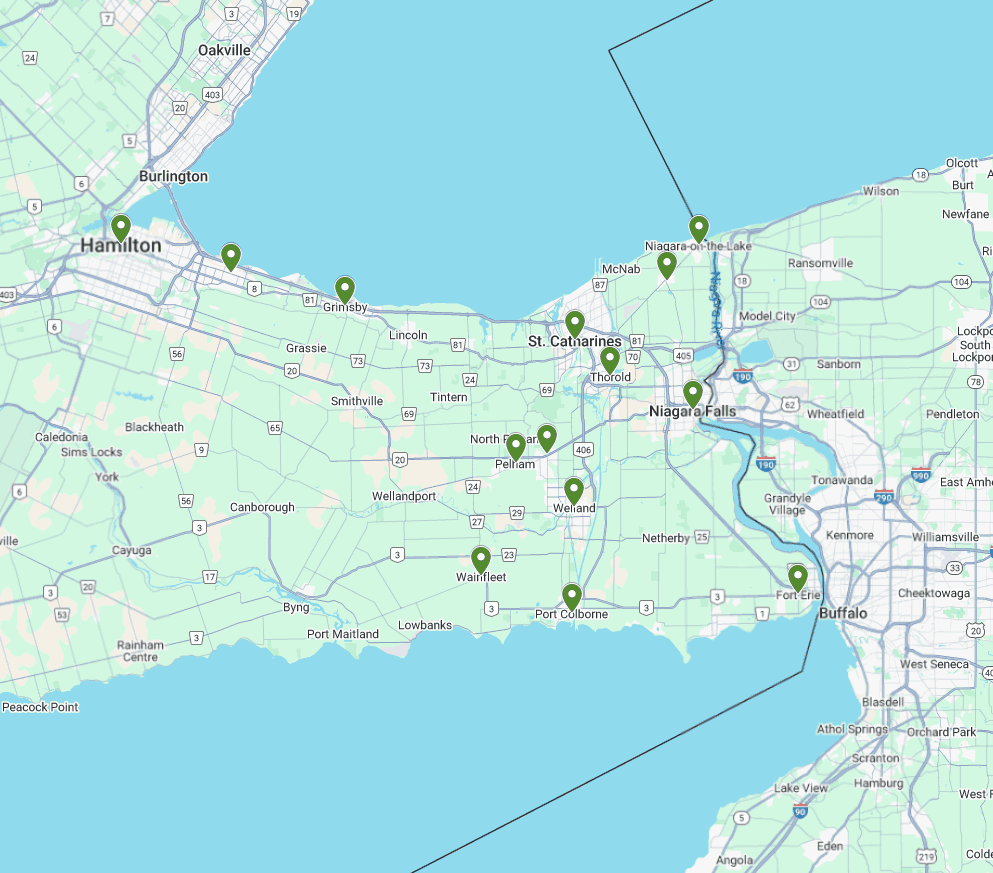
Service Areas
Our service areas encompass a wide range of locations, ensuring that we can meet the needs of our clients wherever they are. From bustling urban centers to serene rural landscapes, we are committed to providing top-notch services tailored to each unique environment.