



Mini split installation in Stoney Creek, ON provides a practical, step-by-step overview, from an on-site assessment to commissioning and aftercare. The guide covers selecting indoor and outdoor unit locations, electrical and refrigerant line requirements, permit considerations, and a typical installation timeline, including pre-installation design, installation day steps, and final walkthrough. It also describess homeowner preparation, post-installation warranty details, and recommended maintenance to maximize efficiency and comfort in Stoney Creek homes. This resource helps you plan with confidence.
.jpeg)
Mini Split Installation in Stoney Creek, ON
Installing a ductless mini split is one of the fastest, most energy efficient ways to add heating and cooling to Stoney Creek homes that lack ductwork or need targeted temperature control. It describes the full mini split installation process so you know what to expect: on-site assessment, equipment placement, electrical and refrigerant line requirements, permits, timeline, commissioning, homeowner preparation and cleanup, and post-installation warranty and aftercare. The goal is to give clear, practical information to help you make a confident, informed decision.
Why a mini split in Stoney Creek makes sense
- Stoney Creek sees warm, humid summers and cold winters. A heat pump mini split provides efficient cooling and can offer supplemental heating where furnaces or baseboards are inefficient.
- Many homes in the area are older or have finished basements and additions without ductwork. Ductless systems deliver conditioned air directly to the occupied space with minimal disruption.
- Mini splits are ideal for bedrooms, home offices, sunrooms, and garage conversions where independent temperature control and lower operating costs matter.
Common mini split installation types and issues
- Single-zone systems for one room or open-concept spaces.
- Multi-zone systems for whole-house comfort with multiple indoor units and one outdoor unit.
- Common issues homeowners want resolved:
- Poor airflow or incorrect unit sizing
- Unsightly indoor unit placement or exposed lines
- Inadequate electrical capacity or missing disconnects
- Improper condensate drainage causing leaks
- Building permit or condo approval delays
On-site assessment: the first and most important step
A thorough site assessment ensures the right system and installation plan:
- Evaluate cooling and heating loads for the rooms to size the mini split correctly.
- Inspect potential indoor unit locations for airflow, wall structure, and sightlines.
- Identify the best outdoor unit location with clearance for airflow and noise considerations.
- Check existing electrical panel capacity and plan for a dedicated breaker and disconnect if required.
- Confirm a path for refrigerant, condensate drain, and low-voltage wiring that minimizes visible lines.
- Discuss homeowner priorities such as noise, aesthetics, and placement preferences.
Expect this assessment to take 45 to 90 minutes for a typical home.
Indoor and outdoor unit placement
Correct placement matters for performance and appearance:
- Indoor unit placement recommendations:
- Mount on an interior wall about 7 to 8 feet above the floor for balanced airflow.
- Avoid placing directly above beds or seating if concerned about direct airflow.
- Keep 6 to 12 inches clearance from the ceiling and at least 12 inches from the nearest side obstruction.
- Outdoor unit placement recommendations:
- Locate outdoors on a level pad or bracket with 12 to 24 inches of clearance all around.
- Avoid locations near property lines or bedroom windows when possible, to minimize perceived noise.
- Consider elevation above snowpack for winter protection in Stoney Creek winters.
Electrical and refrigerant line requirements
- Electrical:
- Most single-zone mini splits require a dedicated 15 to 30 amp breaker, depending on capacity.
- An outdoor disconnect switch is commonly required by code for serviceability.
- A licensed electrician or HVAC technician will confirm wire gauge, breaker size, and whether panel upgrades are needed.
- Refrigerant lines and condensate:
- Refrigerant line sets are routed between indoor and outdoor units; line length and elevation change affect performance.
- Insulated copper lines, a suction line trap if needed, and proper sealing where lines penetrate the wall are standard.
- Condensate drains must slope correctly or use an internal condensate pump for basement installations.
- Safety and code:
- Refrigerant handling must be performed by certified technicians following Ontario regulations and best practices.
Permit considerations in Stoney Creek (City of Hamilton)
- Stoney Creek is administratively part of the City of Hamilton, so building and electrical permits may be required for new HVAC installations or electrical upgrades.
- Permit timelines vary by project complexity; simple installs may have faster approval while multi-zone or structural work can take longer.
- Your installer should outline permit responsibilities and handle permit applications when required.
Step-by-step installation timeline
Typical durations depend on system size and site complexity:
- Pre-installation assessment and design - 1 visit, 45 to 90 minutes.
- Permitting and scheduling - 1 day to several weeks depending on approvals.
- Installation day(s):
- Single-zone system: 4 to 8 hours.
- Multi-zone system: 1 to 2 days or longer for complex runs.Steps on site:
- Protect floors and furniture, mark unit locations.
- Mount indoor unit bracket, drill small penetration for line set.
- Install outdoor pad or bracket and position outdoor unit.
- Run and connect refrigerant lines, drain, and electrical wiring.
- Pressure test and vacuum system to required micron level.
- Charge system if necessary, restore refrigerant and electrical connections.
- Commissioning and performance checks.
- Final walkthrough and paperwork - 30 to 60 minutes.
Quality checks and commissioning
A proper commissioning process confirms safe and efficient operation:
- Pressure and leak testing using nitrogen or equivalent.
- Deep vacuum to manufacturer-recommended micron level prior to charging.
- Verify refrigerant charge and line set integrity.
- Measure electrical load and current draw to ensure within spec.
- Confirm airflow, temperature split, thermostat or controller programming, and condensate drainage.
- Provide homeowner with system operation overview and documentation for warranties.
Homeowner preparation and cleanup expectations
- Prepare by clearing access to installation areas and securing pets.
- Expect technicians to lay down floor protection, remove drilling debris, and keep the work area contained.
- At project end, technicians should remove all installation waste, wipe down surfaces, and leave instruction manuals, warranty cards, and maintenance tips.
- Final walkthrough should include demonstration of basic controls and maintenance tasks such as filter cleaning.
Warranty, aftercare, and maintenance
- Mini split installations typically include separate warranties for equipment and workmanship. Confirm the length and what actions preserve warranty coverage.
- Register manufacturer warranties as required and retain installation paperwork.
- Recommended aftercare:
- Clean or replace indoor filters every 1 to 3 months depending on use.
- Schedule an annual service inspection to check refrigerant levels, clean coils, and inspect electrical components.
- Promptly address unusual noises, reduced airflow, or water leaks to avoid bigger issues.
- Keeping up with scheduled maintenance extends equipment life and sustains efficiency in Stoney Creek climate conditions.
ConclusionA well-executed mini split installation delivers efficient year-round comfort, lower operating costs, and flexible zoning for Stoney Creek homes. Understanding the assessment, placement, electrical and refrigerant requirements, permit process, installation timeline, and post-installation care helps you choose the right solution and set realistic expectations for the project.

Customer Testimonials

Very efficient company. I needed an old solar water heater removed from my roof. They were quick to book an appointment for the next day after I sent photos. They were very knowledgeable of the issue. The 2 guys that came were friendly and competent with the job, including removal of all parts.

I have used Niagara Home heating for multiple projects for over 16 years. John and his staff are absolutely the best. I tell all my friends and family about Niagara Home Heating because you won’t get any better service or pricing anywhere in Niagara. He has saved me thousands and thousands of dollars and has never let me down.
Lifesavers!! The AC in our house decided to quit the day we were passing the keys to the new owners!! Instead of making a service call to the house, John coached me through the minor repair over the phone, saving me the money and time waiting for a repair person to come.Much appreciated! Thanks again John
We had an amazing experience getting our new furnace installed with Niagara Home Heating. The owner was very helpful, their quote was more then competitive and the technician who installed the unit was professional and friendly. I would recommend their services.
I called John today at 2:pm as my AC was not working and I wasn’t expecting even a call back as I knew with this hot weather we have had he would be swamped with calls. Well he called me back and showed at 8:pm on the same day to fix my AC. That is just incredible service and how much John really cares about his clients. Thank you John !
I had an issue with my hot water tank and called Niagara Home Heating. Their service was fantastic and reasonably priced—exactly how a business should be run!

Service Areas
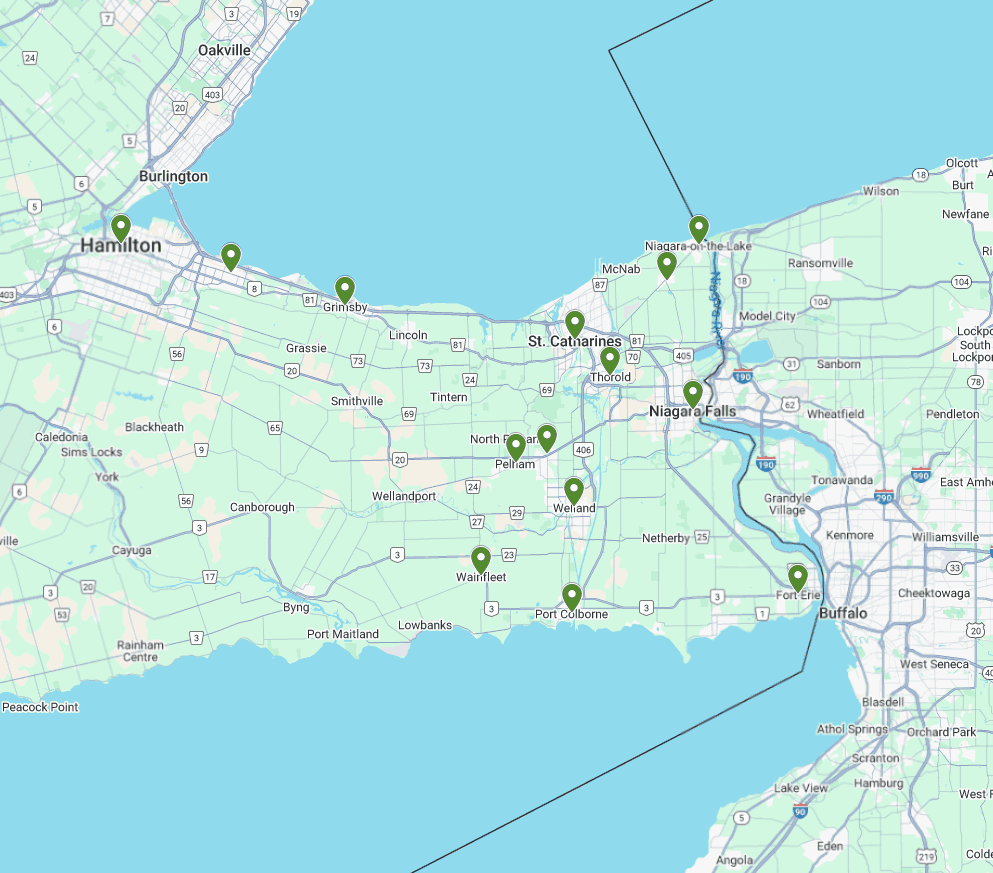
Our service areas encompass a wide range of locations, ensuring that we can meet the needs of our clients wherever they are. From bustling urban centers to serene rural landscapes, we are committed to providing top-notch services tailored to each unique environment.