



Mini split installation in Pelham, ON provides a ductless, flexible heating and cooling solution for homes requiring targeted comfort. The service covers an end-to-end process from initial consultation and site assessment to unit selection, precise placement, electrical and line-set work, and thorough commissioning. Prospective clients learn about code compliance, permitting timelines, and warranty handover, with clear expectations for installation day and long-term maintenance. By focusing on accurate sizing, quiet outdoor operation, and professional execution, this service delivers reliable comfort across seasons.
.jpeg)
Mini Split Installation in Pelham, ON
Mini split installation in Pelham, ON provides an efficient, flexible heating and cooling solution for homes that need targeted comfort without major ductwork. Whether you live in an older Pelham bungalow, a new build, or a renovated addition, modern ductless mini split heat pumps deliver reliable cooling through humid summers and efficient heating through cold Niagara Region winters. It describes the complete installation process — from initial consultation and site assessment to final testing and warranty handover — so you know exactly what to expect.
Common mini split projects in Pelham, ON
- Single-zone wall-mounted unit for a basement, finished attic, bedroom, or sunroom
- Multi-zone systems to heat and cool multiple rooms with a single outdoor compressor
- Retrofit installations in homes without existing ductwork
- New construction and additions where zoning and efficiency are priorities
- Basement or garage conversions where ducts are impractical
- Commercial applications for small offices or retail spaces
Initial consultation and home/site assessment
A thorough assessment starts the installation process. During the initial visit a technician will:
- Review your comfort goals and daily usage patterns for each room
- Perform a room-by-room heat loss/heat gain calculation to determine correct capacity (size matters; oversizing causes short cycling and reduced comfort)
- Inspect wall structure, window orientation, roof and soffit access, and potential indoor head locations
- Evaluate outdoor unit placement for noise, airflow, snow clearance, and proximity to the interior locations
- Check electrical panel capacity and circuits to confirm available capacity or need for upgrades
- Discuss aesthetic preferences and concealment options for line-sets and condensate piping
This assessment ensures the system selected will perform reliably in Pelham’s seasonal extremes and avoid surprises on install day.
Unit selection and placement options
Choosing the right mini split is about matching features to how you live:
- Head types: wall-mounted heads are the most common and cost-effective; floor-mounted are good for low-wall spaces; ceiling cassettes work well for open rooms; concealed ducted units can preserve a clean interior look.
- Single-zone vs multi-zone: Single-zone is ideal for heating/cooling one area. Multi-zone systems allow individual temperature control in several rooms while sharing one outdoor unit.
- Cold-climate models: For Pelham winters choose units rated for efficient operation at low outdoor temperatures and with good HSPF ratings.
- Efficiency and controls: Look for inverter-driven compressors, variable-speed fans, and zoning controls. Wi-Fi-enabled thermostats add convenience and remote control.
- Sizing: Proper BTU sizing from the load calculation prevents comfort issues and improves long-term efficiency.
Line-set, electrical work, and condensate management
Key technical steps handled during installation:
- Line-set and refrigerant: Refrigerant lines (copper line-set) connect the indoor head to the outdoor compressor. The lines are brazed, pressure tested, and vacuumed to remove moisture and air before charging.
- Electrical: A dedicated circuit and appropriately sized breaker are typically required. Install may include a fused disconnect at the outdoor unit and grounding that complies with Ontario electrical code.
- Condensate handling: Indoor units produce condensate. Options include gravity drains, condensate pumps for basements or where gravity is not possible, and insulated drain lines to prevent freezing. Proper routing prevents interior leaks and ice buildup in cold months.
- Aesthetic considerations: Line-sets can be routed discreetly through closets, soffits, or chases and finished with paintable covers. Indoor head placement balances airflow, sightlines, and interior design.
Code compliance, permitting, and timeline
Installation must comply with Ontario Building Code and local municipal bylaws. Permits may be required for mechanical or electrical work depending on scope and local regulations. Typical timeline:
- Consultation and quote: 1 to 7 days depending on scheduling
- Permit application (if required): varies by municipality; often 1 to 3 weeks
- Equipment lead time: commonly in-stock for many models; specialty units may take longer
- Installation day(s): single-zone installs generally take 4 to 8 hours; multi-zone or ducted installs can require a full day or multiple daysOn installation day expect a professional crew using floor protection, clear communication about work areas, and a focus on minimizing disruption.
Final system testing and warranty/maintenance handover
Commissioning ensures performance and longevity:
- Refrigerant charge verification and leak testing
- Electrical checks: voltage, amp draw, and control wiring verification
- Airflow and temperature measurements to confirm correct operation
- Testing defrost cycles, timers, and remote controls (including Wi-Fi pairing if applicable)
- Demonstration of basic controls, filter removal and replacement, and seasonal operating modes
- Documentation and warranty registration where applicable, plus explanation of routine maintenance intervals and service options
A complete handover leaves you informed about warranty coverage, what to expect in different seasons, and simple maintenance tasks to preserve efficiency.
Why timely, professional installation matters in Pelham
Pelham’s climate — warm, humid summers and cold winters — makes system selection and expert installation critical. Benefits of a properly installed mini split include:
- Lower operating costs compared with baseboard electric or inefficient window units
- Zonal comfort control that reduces energy waste and improves individual comfort
- Improved indoor air quality with high-efficiency filtration and reduced reliance on shared ducts
- Effective heating performance with cold-climate models, reducing reliance on backup heating
- Minimal structural changes for retrofit projects, preserving home value and aesthetics
Maintenance tips and long-term care
- Clean or replace filters regularly (every 1 to 3 months depending on use)
- Keep outdoor unit clear of snow and debris; maintain recommended clearance from walls and vegetation
- Schedule professional tune-ups annually or before heavy-use seasons to check refrigerant levels, electrical connections, and drain lines
- Monitor for unusual noises, decreased airflow, or frequent cycling and address issues early to avoid costly repairs
A correctly specified and professionally installed mini split system provides reliable, efficient comfort tailored to Pelham homes. The installation process protects your investment through accurate sizing, code-compliant electrical and refrigerant work, thoughtful condensate and aesthetic planning, and full commissioning with warranty documentation and maintenance guidance.

Customer Testimonials

We had an amazing experience getting our new furnace installed with Niagara Home Heating. The owner was very helpful, their quote was more then competitive and the technician who installed the unit was professional and friendly. I would recommend their services.

I had an issue with my hot water tank and called Niagara Home Heating. Their service was fantastic and reasonably priced—exactly how a business should be run!
I called John today at 2:pm as my AC was not working and I wasn’t expecting even a call back as I knew with this hot weather we have had he would be swamped with calls. Well he called me back and showed at 8:pm on the same day to fix my AC. That is just incredible service and how much John really cares about his clients. Thank you John !
I have used Niagara Home heating for multiple projects for over 16 years. John and his staff are absolutely the best. I tell all my friends and family about Niagara Home Heating because you won’t get any better service or pricing anywhere in Niagara. He has saved me thousands and thousands of dollars and has never let me down.
Very efficient company. I needed an old solar water heater removed from my roof. They were quick to book an appointment for the next day after I sent photos. They were very knowledgeable of the issue. The 2 guys that came were friendly and competent with the job, including removal of all parts.
Lifesavers!! The AC in our house decided to quit the day we were passing the keys to the new owners!! Instead of making a service call to the house, John coached me through the minor repair over the phone, saving me the money and time waiting for a repair person to come.Much appreciated! Thanks again John

Service Areas
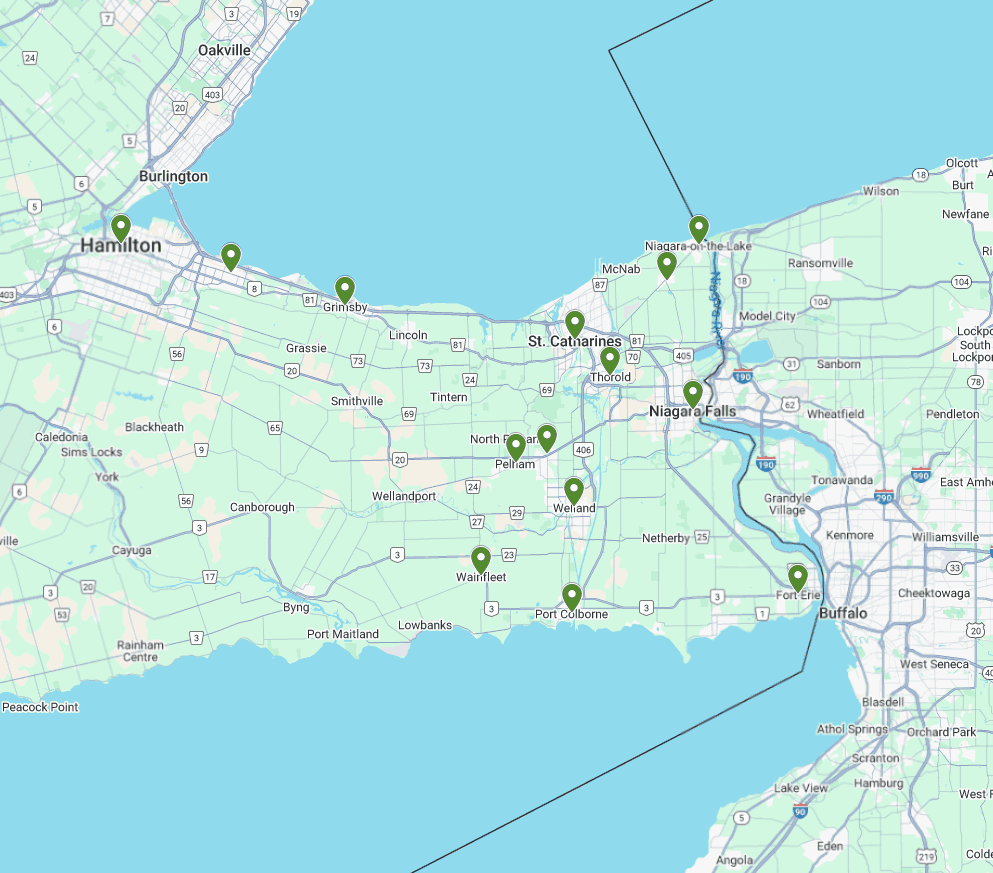
Our service areas encompass a wide range of locations, ensuring that we can meet the needs of our clients wherever they are. From bustling urban centers to serene rural landscapes, we are committed to providing top-notch services tailored to each unique environment.