



Pelham residents can maximize the reliability and efficiency of their ductless mini split systems through proactive, locally tailored service. It describes why regular maintenance matters in Pelham’s winters and summers, including refrigerant checks, coil cleaning, and protective outdoor care. It details service plan components, from seasonal tune ups and filter cleaning to diagnostics and prioritized scheduling. A typical seasonal tune up covers practical inspections, electrical checks, refrigerant verification, and performance reporting to support warranties and long-term operation.
.jpeg)
Mini Split Service in Pelham, ON
Keeping your ductless mini split running reliably and efficiently in Pelham, ON means regular, expert maintenance tailored to local weather and home use patterns. Mini split systems are an increasingly popular choice for heating and cooling whole homes, additions, basements and renovated spaces in the Niagara region because they deliver zoned comfort and strong energy performance. Routine service plans and seasonal tune ups protect that investment, reduce operating costs, and prevent inconvenient breakdowns during Pelham’s cold winters and humid summer months.
Why regular mini split maintenance matters in Pelham, ON
- Pelham experiences cold, snowy winters and humid summers. Mini splits operating as heat pumps need precise refrigerant charge and healthy defrost cycles to deliver reliable heat when temperatures drop.
- Road salt and winter melt can accelerate corrosion of outdoor units in the Niagara Region, so outdoor coil care and protective checks are important.
- Homes in Pelham often combine older construction and modern renovations; ductless systems installed for retrofits require regular balancing and controller checks to maintain zone comfort.
- Regular maintenance preserves manufacturer warranties and keeps inverter-driven compressors operating efficiently for longer.
Common mini split problems in Pelham homes
- Reduced heating capacity in cold weather due to improper refrigerant levels or restricted airflow.
- Ice accumulation on the outdoor unit or frozen drain lines after heavy snow or during persistent cold spells.
- Dirty indoor coils and clogged filters that cut cooling efficiency and raise energy bills during humid summer months.
- Refrigerant leaks, especially on older line sets or poorly joined fittings, causing longer run times and poor temperature control.
- Electrical issues such as failing capacitors, worn contactors or damaged control boards from power surges.
- Poor zoning performance or inconsistent temperatures between heads because of incorrect system configuration or dirty fan motors.
Types of mini split service plans and what they include
Service plans are structured to prevent problems and respond quickly when service is needed. Typical offerings tailored for Pelham customers include:
- Seasonal tune ups (spring and fall) to prepare the system for peak cooling and heating seasons.
- Routine filter and indoor coil cleaning to maintain airflow and indoor air quality.
- Outdoor coil cleaning, fin straightening and protective inspection to limit corrosion from winter salt and debris.
- Refrigerant level checks and leak detection using industry-standard gauges and leak-detection methods.
- Performance optimization: airflow measurements, superheat/subcool calculations, inverter diagnostics and system balancing for multi-zone setups.
- Diagnostic inspections that include electrical checks, compressor health assessment, thermostat/controller programming review and condensate drain inspection.
- Priority scheduling for plan members to reduce wait times during peak seasons.
- Service agreements that detail scheduled visits, scope of work, parts/labor discount structures, and performance reporting (without specifying price here).
What to expect during a typical seasonal tune up
A thorough tune up focuses on both immediate performance and long-term system health. A technician will generally:
- Run a full operational cycle in heating and cooling to verify system responses.
- Visually inspect outdoor and indoor units for corrosion, physical damage and correct mounting.
- Clean or replace filters and vacuum or brush indoor coils to remove dust and biological buildup.
- Clean outdoor coils and straighten fins; remove snow, ice buildup and clear surrounding debris.
- Check electrical connections, measure voltage and amp draw, and test capacitors and relays.
- Measure refrigerant pressures and calculate superheat/subcooling to confirm proper charge for optimal efficiency.
- Inspect and clear condensate drains and pans to prevent overflow and microbial growth.
- Verify control wiring and remote/thermostat settings; update schedules and polling if applicable.
- Provide a performance report outlining findings, recommended repairs, and efficiency notes.
Diagnostic inspections and advanced troubleshooting
When performance is below expectations or intermittent faults appear, technicians perform deeper diagnostics:
- Leak isolation using electronic detectors and dye when necessary.
- Compressor health checks including sound analysis and current draw comparisons against manufacturer specs.
- Inverter and PCB diagnostics using manufacturer tools when available to read error codes and historical fault logs.
- Line set inspections for oil staining or physical damage indicating slow leaks.
- System capacity testing under load to determine if replacement or a major repair is the most cost-effective option.
Benefits of a service agreement for Pelham homeowners
- Predictable scheduled maintenance that keeps the system at peak performance through Pelham’s seasonal extremes.
- Faster response and priority scheduling during heat waves or cold snaps when demand in the Niagara region is highest.
- Documented maintenance history which helps preserve manufacturer warranties and increases resale confidence.
- Improved energy efficiency and lower utility bills through optimized refrigerant charge and clean heat-exchange surfaces.
- Reduced risk of emergency breakdowns and longer equipment life for expensive inverter compressors and electronic controls.
Practical maintenance tips for Pelham homeowners
- Replace or clean washable filters every 1 to 3 months depending on usage and indoor air quality needs.
- Keep outdoor units clear of snow banks, leaves and lawn debris; ensure adequate airflow around the condenser.
- Inspect indoor unit drain pans periodically and clear visible clogs to prevent water damage and mold growth.
- Use manufacturer-recommended filters and avoid oversizing filters that restrict airflow.
- Watch for unusual noises, persistent error codes on the indoor display, or unexplained changes in energy use; these often indicate early-stage issues.
Final considerations for decision-making
Mini split systems deliver efficient, zoned comfort well-suited to Pelham’s mix of older homes and modern renovations. Choosing an ongoing mini split service plan tailored to the climate and typical usage patterns in the Niagara Region delivers measurable benefits: more reliable winter heating, more efficient summer cooling, fewer emergency repairs, and longer equipment life. Well-documented tune ups and diagnostic inspections also support warranty requirements and give homeowners confidence that their ductless system will perform when they need it most.

Customer Testimonials

I had an issue with my hot water tank and called Niagara Home Heating. Their service was fantastic and reasonably priced—exactly how a business should be run!

Lifesavers!! The AC in our house decided to quit the day we were passing the keys to the new owners!! Instead of making a service call to the house, John coached me through the minor repair over the phone, saving me the money and time waiting for a repair person to come.Much appreciated! Thanks again John
We had an amazing experience getting our new furnace installed with Niagara Home Heating. The owner was very helpful, their quote was more then competitive and the technician who installed the unit was professional and friendly. I would recommend their services.
I have used Niagara Home heating for multiple projects for over 16 years. John and his staff are absolutely the best. I tell all my friends and family about Niagara Home Heating because you won’t get any better service or pricing anywhere in Niagara. He has saved me thousands and thousands of dollars and has never let me down.
Very efficient company. I needed an old solar water heater removed from my roof. They were quick to book an appointment for the next day after I sent photos. They were very knowledgeable of the issue. The 2 guys that came were friendly and competent with the job, including removal of all parts.
I called John today at 2:pm as my AC was not working and I wasn’t expecting even a call back as I knew with this hot weather we have had he would be swamped with calls. Well he called me back and showed at 8:pm on the same day to fix my AC. That is just incredible service and how much John really cares about his clients. Thank you John !

Service Areas
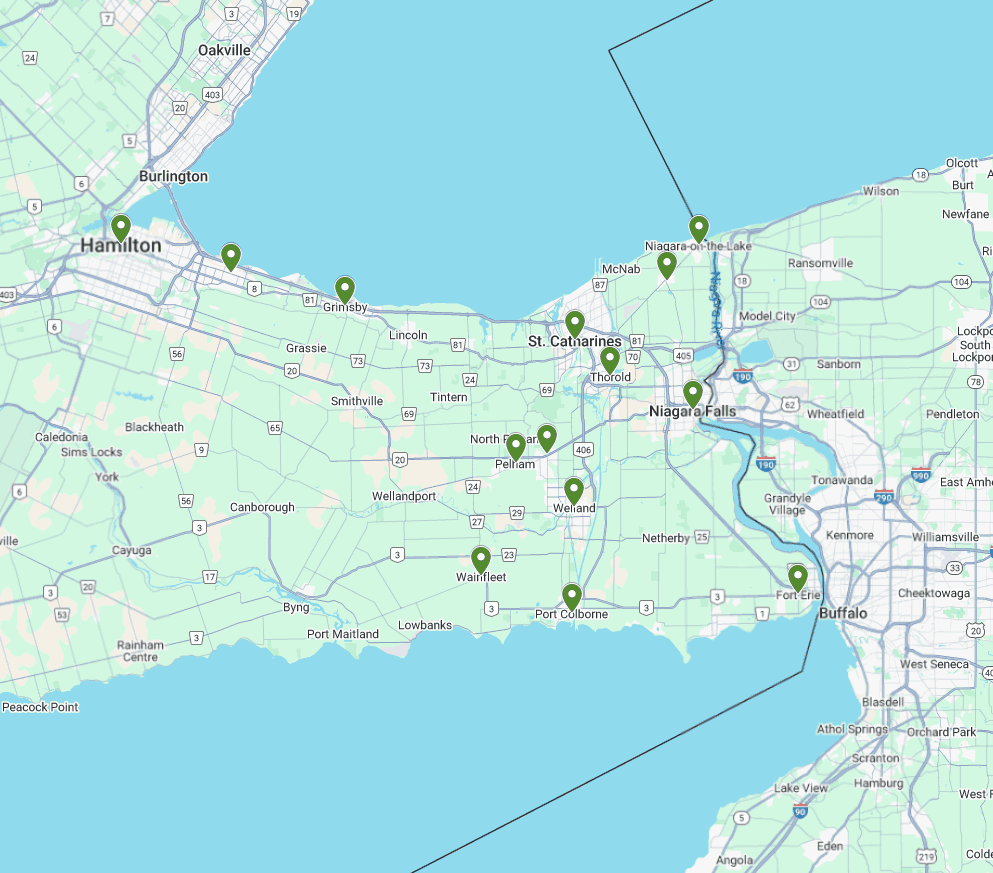
Our service areas encompass a wide range of locations, ensuring that we can meet the needs of our clients wherever they are. From bustling urban centers to serene rural landscapes, we are committed to providing top-notch services tailored to each unique environment.