



Tankless Water Heater Installation in Niagara Falls, ON
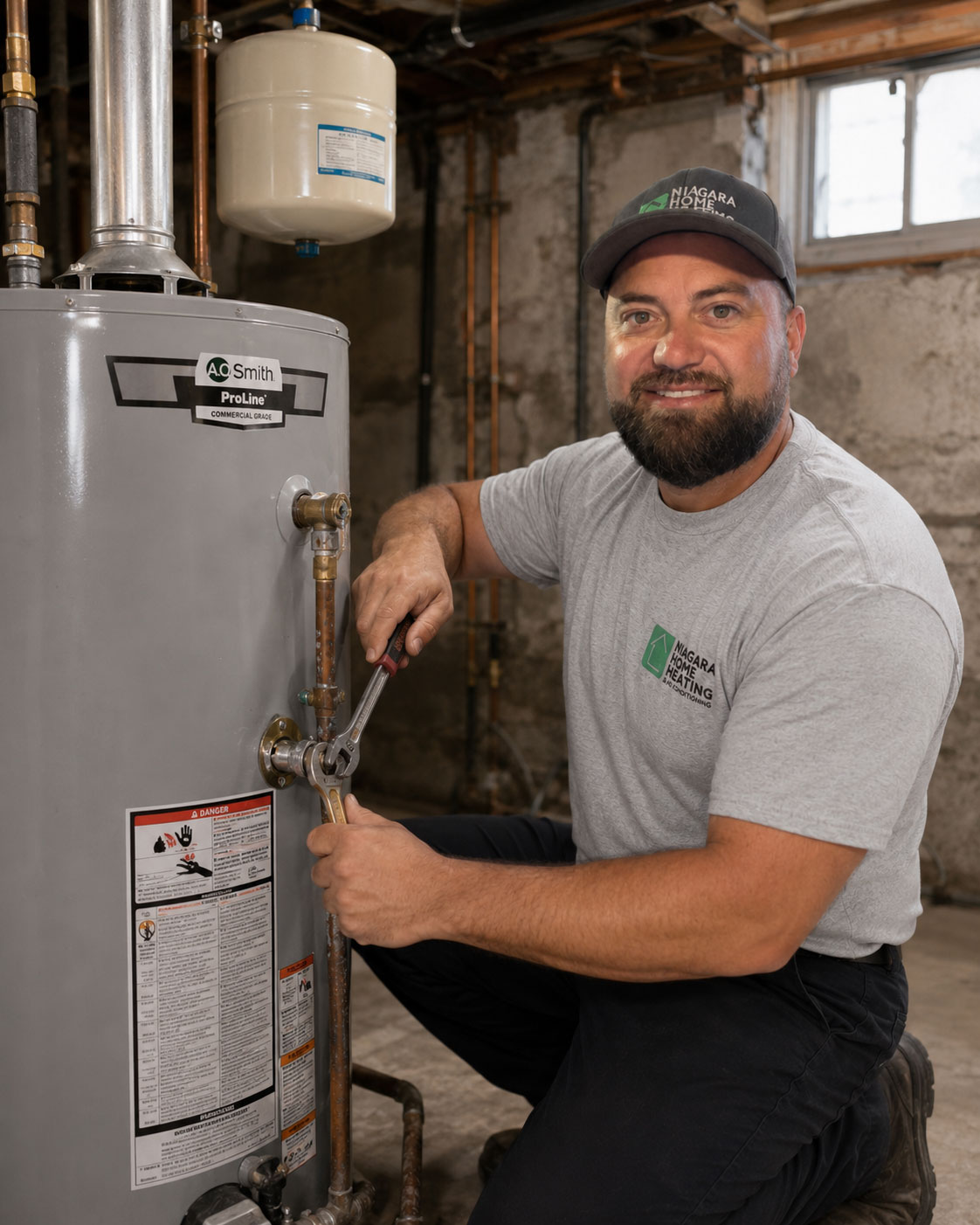
Upgrading to a tankless water heater is a decision homeowners in Niagara Falls, ON make for lasting energy savings, faster recovery, and more compact equipment. The full tankless water heater installation process — from assessing your home’s hot water demand to code compliance, commissioning, and aftercare — so you know exactly what to expect and how to avoid common problems local homes face.
Why a tankless water heater makes sense in Niagara Falls
- Energy savings and space: Tankless units eliminate standby heat loss and free up utility room space, which is helpful in older Niagara homes with limited mechanical room size.
- Cold-climate performance: Niagara’s cold winters affect incoming water temperatures. Proper sizing and installation account for seasonal groundwater temperatures so the unit can meet peak winter demand.
- Hard water considerations: The Niagara region commonly has higher mineral content. Scaling is a known issue for condensing tankless models unless treated; installation planning includes water-treatment options to protect the heat exchanger.
Typical issues homeowners see with tankless systems in Niagara Falls
- Undersized unit that can’t meet multiple simultaneous demands
- Poor performance in winter because the incoming water temperature is lower than anticipated
- Mineral scaling from hard water leading to reduced flow and efficiency
- Insufficient gas supply or improper electrical service for high-capacity models
- Incorrect venting or clearance issues causing code violations or safety risks
Site assessment and household hot-water demand calculations
A thorough site assessment is the foundation of a successful tankless installation. Expect these steps:
- Inventory of fixtures and peak-use scenarios (e.g., two showers plus dishwasher running together)
- Flow rate calculation: determine required litres per minute (L/min) or gallons per minute (GPM) based on fixture flows and simultaneous use
- Temperature rise calculation: estimate incoming water temperature in Niagara Falls (seasonally lower in winter) and calculate how many degrees the unit must raise water to reach your set temperature
- Mechanical space review: location options (garage, utility room, mechanical closet, or exterior-rated unit), clearance, vent runs, and condensate drainage
- Fuel and service verification: evaluate natural gas or propane availability and supply pressure, or confirm electrical service capacity for electric tankless units
Model and fuel-type selection
Tankless units vary by fuel type, capacity, and condensing vs non-condensing technology:
- Natural gas: High flow capacity, common choice for Niagara homes on municipal gas. Requires correct burner capacity and gas-line sizing.
- Propane: Suitable where natural gas is unavailable but often needs larger venting and burner adjustments.
- Electric: Easier to install in some homes but requires substantial electric service upgrades for whole-home solutions.
- Condensing models: More energy efficient but need PVC venting and condensate management; good fit if properly installed indoors or in protected outdoor locations.
Selection is based on calculated flow and temperature rise, available fuel, budget, and long-term maintenance considerations in a hard-water area.
Venting, gas, and electrical requirements
Proper venting and service provision are safety-critical:
- Verify gas-pipe diameter and supply pressure; long or undersized runs need upsizing for high-BTU units.
- Condensing units may use PVC venting and require a condensate drain, while non-condensing units need stainless or specialty vent systems.
- Electric tankless heaters need dedicated 240V/208V circuits and potentially service panel upgrades.
- Outdoor units require freeze protection or indoor placement in unheated basements to avoid cold-weather damage.
All venting and service work must follow Ontario regulations and manufacturer instructions.
Professional installation steps
A professional installation typically follows this sequence:
Testing, commissioning, and user orientation
Commissioning ensures the system performs to spec:
- Technicians run multi-fixture tests and adjust gas/flow settings so the unit holds desired temperatures at expected flow rates.
- Users receive orientation on controls, eco settings, how to read diagnostic codes, and what to do during power or gas interruptions.
- Technicians explain freeze-protection measures for cold snaps and show where condensate drains, filters, and service shutoffs are located.
Maintenance recommendations and protecting your investment
Regular maintenance is key, especially in Niagara Falls:
- Annual or bi-annual descaling (flush) service is recommended in hard-water areas to prevent mineral buildup.
- Install a whole-house water softener or a scale-inhibitor if hard water is a concern.
- Inspect air/vapor intake and venting for obstructions, and keep condensate drains clean.
- Replace inlet water filters/screens as recommended and follow manufacturer maintenance intervals to preserve warranty coverage.
Permit and code compliance
- Tankless installations require permits and must comply with the Ontario Building Code and provincial safety authorities. Gas appliance installations are regulated by the Technical Standards and Safety Authority (TSSA), and electrical upgrades may fall under Electrical Safety Authority (ESA) oversight.
- A licensed technician will secure required permits and arrange inspections, ensuring the installation meets local Niagara Falls municipal requirements and manufacturer clearances.
Temporary hot-water solutions during installation
If your existing tank must be removed, temporary options include:
- Short-term rental tanks (standard or tankless) from rental services
- Temporary electric point-of-use heaters for essential fixtures
- Planning installation during low-demand times to reduce disruption
Warranty and aftercare
- Most manufacturers provide parts and heat-exchanger warranties; installers typically offer labour warranties. Understand both warranties and the service requirements to keep them valid.
- Aftercare plans commonly include scheduled maintenance visits and priority service for performance tuning and emergency response.

Customer Testimonials

I had an issue with my hot water tank and called Niagara Home Heating. Their service was fantastic and reasonably priced—exactly how a business should be run!

Very efficient company. I needed an old solar water heater removed from my roof. They were quick to book an appointment for the next day after I sent photos. They were very knowledgeable of the issue. The 2 guys that came were friendly and competent with the job, including removal of all parts.
We had an amazing experience getting our new furnace installed with Niagara Home Heating. The owner was very helpful, their quote was more then competitive and the technician who installed the unit was professional and friendly. I would recommend their services.
I have used Niagara Home heating for multiple projects for over 16 years. John and his staff are absolutely the best. I tell all my friends and family about Niagara Home Heating because you won’t get any better service or pricing anywhere in Niagara. He has saved me thousands and thousands of dollars and has never let me down.
Lifesavers!! The AC in our house decided to quit the day we were passing the keys to the new owners!! Instead of making a service call to the house, John coached me through the minor repair over the phone, saving me the money and time waiting for a repair person to come.Much appreciated! Thanks again John
I called John today at 2:pm as my AC was not working and I wasn’t expecting even a call back as I knew with this hot weather we have had he would be swamped with calls. Well he called me back and showed at 8:pm on the same day to fix my AC. That is just incredible service and how much John really cares about his clients. Thank you John !

Service Areas
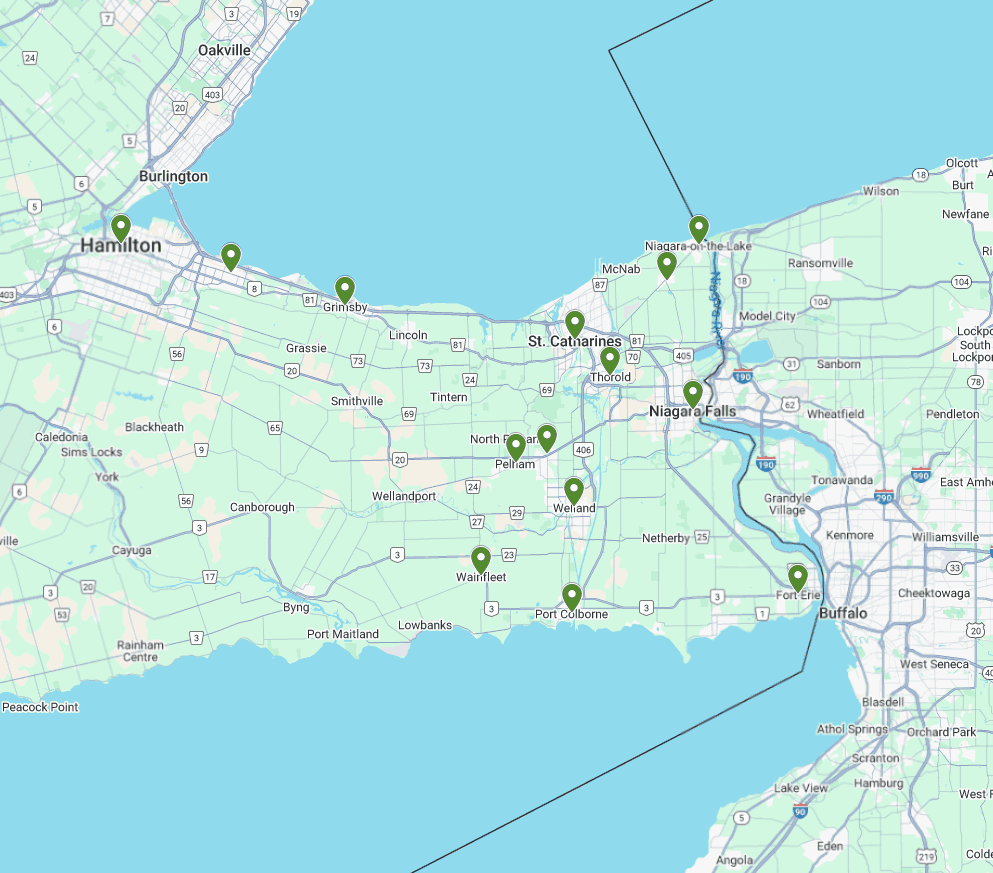
Our service areas encompass a wide range of locations, ensuring that we can meet the needs of our clients wherever they are. From bustling urban centers to serene rural landscapes, we are committed to providing top-notch services tailored to each unique environment.