



A thorough guide to water heater replacement in Niagara Falls, ON, outlining when to replace, how to evaluate options, and what to expect from installation. It compares storage tanks, tankless, and heat pump models, explains sizing, permits, and disposal, and covers financing, warranties, and maintenance. Readers will understand how climate, home size, and fuel type influence performance, and gain a clear plan for selecting the right system, scheduling installation, and maximizing long-term energy savings.
Water Heater Replacement in Niagara Falls, ON
Replacing an aging or failing water heater is one of the fastest ways to improve comfort, lower utility bills, and avoid emergency outages in your home. In Niagara Falls, ON, cold winters, older housing stock, and seasonal demand (guests or renters) make reliable hot water especially important. This page explains the water heater replacement process, compares tank and tankless options, and outlines sizing, permits, disposal, financing and warranty considerations so you can make an informed, confidence-based decision.
Why replace your water heater now
- Frequent repairs, rusty water, strange noises, or visible leaks are strong indicators of imminent failure.
- Older units lose efficiency over time; replacing a 10- to 15-year-old tank can cut energy use significantly.
- Upgrading to a high-efficiency or tankless system reduces monthly energy bills and can increase home value.
- In Niagara Falls, colder incoming water temperatures mean undersized or inefficient heaters struggle more in winter - selecting the right system reduces cold-season shortfalls.
Common water heater issues in Niagara Falls
- Reduced hot water supply during peak times (showers plus dishwasher).
- Corrosion, leaks, or sediment buildup in tanks from mineral-rich local water.
- Pilot light or ignition issues on gas models.
- Rising energy bills due to inefficient heating technology.
- Space constraints in older homes where a compact unit or tankless solution is preferred.
System evaluation and sizing: what we check
A proper replacement starts with a thorough evaluation to match a new unit to your home’s needs. Key factors:
- Household size and peak demand - number of simultaneous showers, laundry, and dishwasher use.
- Existing plumbing, venting and gas or electrical capacity.
- Incoming cold water temperature - Niagara winters lower inlet temps and affect recovery needs.
- Available installation space and clearance requirements.
- Long-term goals - lower bills, compact footprint, or move toward low-carbon options like heat pump water heaters.
Sizing guidelines:
- For storage tanks: choose a capacity (in litres) based on family size and the First Hour Rating (FHR) to cover peak demand.
- For tankless systems: size by required flow rate (litres per minute) and temperature rise, ensuring the unit can handle winter inlet temps common in Niagara.
A proper on-site assessment determines the exact model and capacity you should select.
Tank vs tankless vs heat pump: pros and cons
- Tank (storage) water heaters
- Pros: lower upfront cost, simple replacement, reliable hot water for simultaneous use when oversized correctly.
- Cons: standby heat loss, shorter lifespan than tankless, larger footprint.
- Tankless (on-demand) water heaters
- Pros: compact, continuous hot water, 20-40% energy savings over older tanks when sized and installed correctly, longer lifespan.
- Cons: higher upfront cost, may require upgraded gas line or venting, limited flow if undersized for multiple simultaneous fixtures.
- Heat pump water heaters (hybrid)
- Pros: best electrical efficiency - often 50%+ savings compared with electric resistance; good fit for homes seeking lower carbon footprint.
- Cons: higher initial cost, needs space with ventilation and moderate ambient temperature to operate efficiently.
Removal and responsible disposal
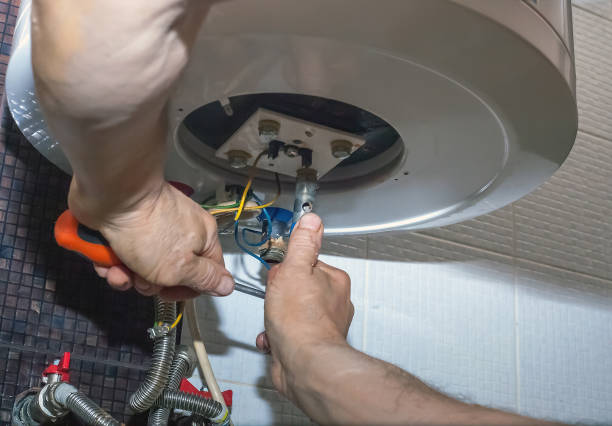
- Safe disconnection of gas, electrical, and water lines is essential. Qualified technicians will empty the tank, cap utilities, and follow local regulations for disconnects.
- Old tanks contain metal and potentially recyclable parts - responsible disposal means draining, removing, and recycling scrap metal where possible. Fluids and refrigerants (in hybrids) are handled per environmental rules.
- Municipal disposal and recycling requirements in Niagara Region are followed to minimize environmental impact.
Installation timeline and procedures
- Typical process: on-site evaluation and quote, order and delivery of chosen unit, required permits obtained, installation, and inspection.
- Standard tank installations often take 4-8 hours when replacing like-for-like. Conversions (electric to gas, or tank to tankless) or heat pump installs can take longer and may require additional trades or electrical work, extending the schedule to 1-2 days.
- Technicians check venting, combustion air, water connections, temperature-pressure relief valve, and perform system startup and safety testing. Hot water recovery and thermostat settings are confirmed before completion.
Permit and code compliance
- Replacements must meet Ontario Building Code and local Niagara Region requirements. Gas-work and certain fuel-fired appliance changes typically require licensed gas fitters and notifications to authorities such as the Technical Standards and Safety Authority where applicable. Electrical modifications may require inspection by the Electrical Safety Authority.
- A proper installation includes the required permits and any municipal inspections to ensure safety and compliance with venting, combustion air, and seismic or strapping requirements.
Financing and rebate options in Niagara Region
- Several financing and rebate paths are commonly available: provincial or federal home efficiency incentives, utility rebates for high-efficiency or heat pump water heaters, and local financing options.
- Heat pump water heaters and ENERGY STAR-qualified models often qualify for larger incentives. Combining rebates with long-term energy savings can make higher-efficiency equipment more affordable.
- Verify current programs and eligibility before purchase, and keep installer-provided documentation to support rebate applications.
Warranty and protection
- New water heaters come with a manufacturer warranty covering parts and specific components; lengths vary by technology - tanks typically 6-12 years for tanks and anode coverage, tankless units often have extended heat exchanger warranties (10-15 years), and heat pumps have different component warranties.
- A separate labor or installation warranty from the installer provides additional protection for workmanship. Review warranty details, what is covered, exclusions, and required maintenance to keep warranties valid.
Expected efficiency and cost savings
- Upgrading from an old storage tank to a modern high-efficiency tank or tankless system generally reduces water heating energy by 20-50%, depending on fuel type and system.
- Heat pump water heaters can deliver the largest electrical savings - often 50% or more compared to electric resistance models.
- Real-world savings depend on your fuel costs, usage patterns, and whether the new unit addresses inefficient habits or undersizing. Combined with Niagara’s colder inlet water, correctly sized equipment delivers more reliable hot water and better seasonal performance.
Maintenance and long-term tips
- Tank units: annual flushing to remove sediment, anode rod inspections every 2-3 years, and testing the pressure relief valve.
- Tankless units: annual descaling especially with hard water, checking filters, and keeping air intake/venting clear.
- Heat pump units: clean filters, ensure adequate airflow around the unit, and schedule periodic professional inspections.
- Regular maintenance preserves efficiency, extends service life, and protects warranty coverage.

Customer Testimonials

I have used Niagara Home heating for multiple projects for over 16 years. John and his staff are absolutely the best. I tell all my friends and family about Niagara Home Heating because you won’t get any better service or pricing anywhere in Niagara. He has saved me thousands and thousands of dollars and has never let me down.

Lifesavers!! The AC in our house decided to quit the day we were passing the keys to the new owners!! Instead of making a service call to the house, John coached me through the minor repair over the phone, saving me the money and time waiting for a repair person to come.Much appreciated! Thanks again John
Very efficient company. I needed an old solar water heater removed from my roof. They were quick to book an appointment for the next day after I sent photos. They were very knowledgeable of the issue. The 2 guys that came were friendly and competent with the job, including removal of all parts.
I called John today at 2:pm as my AC was not working and I wasn’t expecting even a call back as I knew with this hot weather we have had he would be swamped with calls. Well he called me back and showed at 8:pm on the same day to fix my AC. That is just incredible service and how much John really cares about his clients. Thank you John !
We had an amazing experience getting our new furnace installed with Niagara Home Heating. The owner was very helpful, their quote was more then competitive and the technician who installed the unit was professional and friendly. I would recommend their services.
I had an issue with my hot water tank and called Niagara Home Heating. Their service was fantastic and reasonably priced—exactly how a business should be run!

Service Areas
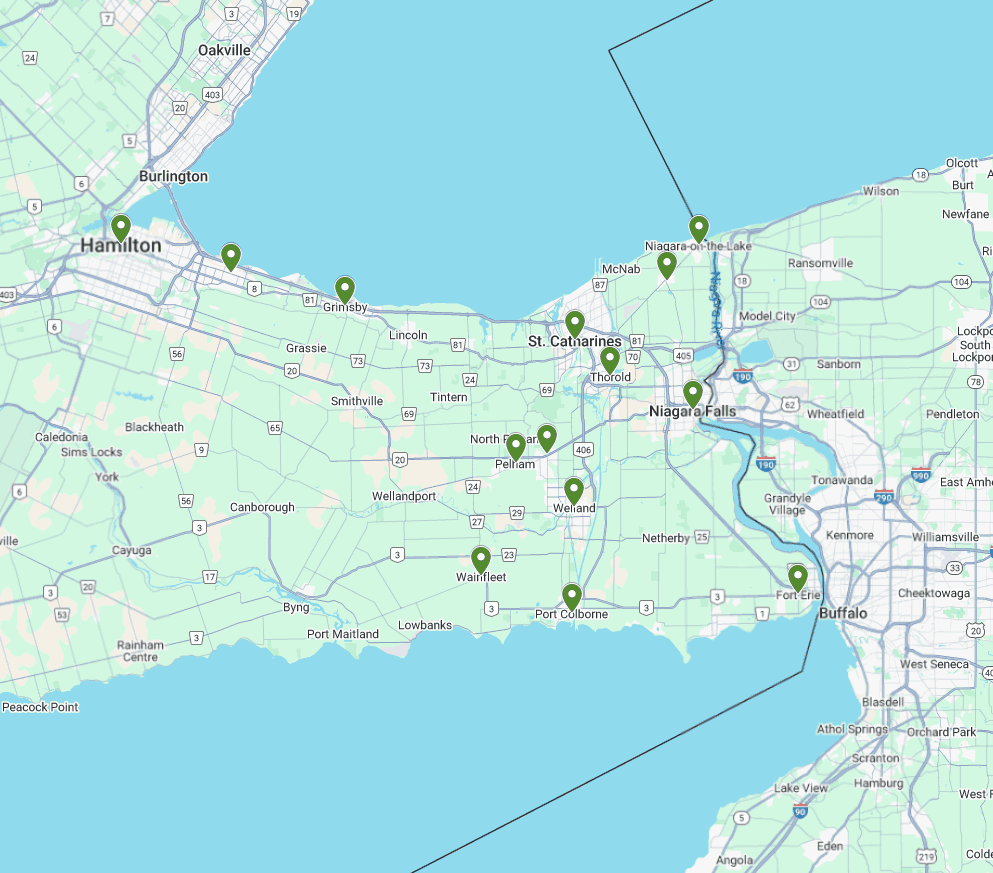
Our service areas encompass a wide range of locations, ensuring that we can meet the needs of our clients wherever they are. From bustling urban centers to serene rural landscapes, we are committed to providing top-notch services tailored to each unique environment.