



This service guide describes professional water heater installation in Fonthill, ON, covering proper load sizing, permit compliance, and careful commissioning to ensure efficiency and reliability. It describes choosing between tank and tankless systems, assesses gas and electrical readiness, and details site preparation, venting, drainage, and safety checks. The process follows Ontario Building Code standards, includes permit documentation, and ends with commissioning, warranty maintenance tips, and long-term savings through properly sized, code-compliant equipment designed for local climate needs.
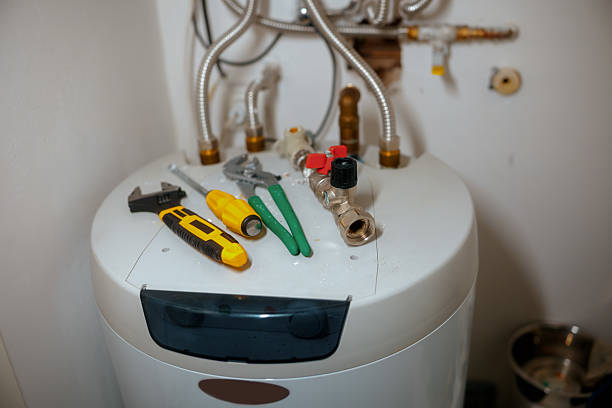
Water Heater Installation in Fonthill, ON
Choosing the right water heater and getting it installed correctly is one of the most important home investments for comfort, safety, and long-term energy savings in Fonthill, ON. Whether you are replacing an aging hot water tank, upgrading to a high-efficiency tankless system, or outfitting a new build, a professional installation that includes accurate load sizing, permit compliance, and careful commissioning ensures reliable hot water and lower operating costs through Niagara’s cold winters and humid summers.
Why professional water heater installation matters in Fonthill
- Fonthill homes face extended heating seasons and occasional freeze events, increasing hot-water demand and placing extra stress on undersized or failing units.
- Groundwater in the Niagara region can be moderately hard, accelerating corrosion and sediment buildup in tanks if not addressed with proper materials and installation practices.
- Improper venting, combustion air, or drainage can create safety risks and code violations under Ontario regulations.
A properly scoped installation protects your home, maximizes efficiency, and preserves manufacturer warranties.
Common water heater installation needs in Fonthill, ON
- Hot water tank replacement (electric or gas) due to age, leaks, or failing components
- Tankless (on-demand) water heater installation for higher efficiency and endless hot water for smaller footprints
- Conversion projects (electric to natural gas or vice versa) requiring gas line work or electrical upgrades
- New construction and renovation installations including multi-fixture sizing and distribution planning
- Temporary or rental hot water solutions for renovation projects or emergency replacements
Initial consultation and accurate load/sizing
A professional installation begins with an in-home consultation to assess:
- Number of bathrooms and typical simultaneous hot-water use (showers, appliances)
- Existing plumbing layout, venting space, and available gas or electrical capacity
- Water quality and anticipated sediment or hard-water issues
- Desired performance (e.g., multiple simultaneous showers, high-flow fixtures)
From this we perform load and sizing calculations: tank capacity or flow rate (L/min) for tankless systems, recovery rate for tanks, and fuel source selection to meet peak demand without oversizing equipment.
Tank vs tankless: choosing what’s right for your Fonthill home
- Tank water heaters: lower upfront cost, simpler installation in many homes, good for households with predictable, heavy use. Require adequate floor space and drainage; tanks suffer heat losses and can be impacted by sediment.
- Tankless water heaters: higher initial cost but superior efficiency and continuous hot water for most homes. Require correct sizing for peak flows, sufficient gas line capacity or higher electrical service, and often a condensate drain for high-efficiency models.
Decision factors include household size, renovation constraints, lifetime cost comparisons, and whether your home’s infrastructure (gas mains or electrical panel) can support the chosen system.
Site preparation and required trade work
A professional installation addresses all site-specific requirements:
- Plumbing work: proper connections with dielectric unions, sediment filters, pressure relief valve with correct discharge piping, expansion tanks where required by local code.
- Gas work: gas line sizing, leak testing, and installation by certified technicians following TSSA rules for fuel-fired equipment in Ontario.
- Electrical work: disconnects, dedicated breakers, and any service upgrades for electric or condensing tankless units.
- Venting and combustion air: correct flue materials, clearances, and combustion air sources—or condensing, sealed-combustion units when appropriate.
- Drainage and protection: secondary drain pans, floor drains, and freeze-protection for installations in garages or unheated spaces.
All work is planned to meet Ontario Building Code requirements and local permit standards to avoid costly rework and to preserve warranty coverage.
Permit, code compliance, and safety checks
Installations in Fonthill must comply with provincial and local codes. Key compliance items include:
- Obtaining the required permits for fuel-fired appliances or major electrical changes
- Ensuring installations meet Ontario Building Code clearances and venting standards
- Performing gas leak tests, pressure checks, and combustion analysis for gas units
- Installing temperature and pressure relief valves with approved discharge routing
Documentation of permits and compliance checks is important for future home sales and warranty validation.
Step-by-step installation and commissioning
A typical professional installation follows these steps:
Post-install commissioning ensures the system performs as specified and is safe for household use.
Post-install testing, maintenance plans, and warranties
After installation, scheduled maintenance prolongs system life and preserves efficiency:
- Annual inspections for gas burners, venting, and flue integrity
- Flush or descaling services in moderate-to-hard water areas to prevent sediment buildup in tanks and heat exchanger fouling in tankless units
- T&P valve checks and drain pan inspections
- Regular electrical and gas safety checks
Most manufacturers provide specific warranty terms for parts and heat exchangers; professional installations by certified technicians are often a condition of those warranties.
Optional rental and temporary hot-water solutions
For renovations or emergency replacements, rental hot water tanks and temporary tankless units are available. Rentals provide uninterrupted hot water during the transition and remove pressure to complete longer renovations without service disruption.
Scheduling, financing, and long-term benefits (guidance)
When planning installation consider seasonal demand: scheduling before the cold-weather peak reduces downtime and avoids emergency replacement. Financing options and rebate programs may be available for high-efficiency systems, improving payback through lower monthly energy expenses. Investing in a correctly sized, code-compliant water heater delivers:
- Reliable hot water year-round
- Reduced energy bills with high-efficiency models
- Fewer emergency repairs and longer equipment life
- Improved safety and compliance for your property
A professional installation tailored to Fonthill homes balances upfront investment, local climate impacts, and long-term operating costs to deliver dependable hot water and peace of mind.

Customer Testimonials

I have used Niagara Home heating for multiple projects for over 16 years. John and his staff are absolutely the best. I tell all my friends and family about Niagara Home Heating because you won’t get any better service or pricing anywhere in Niagara. He has saved me thousands and thousands of dollars and has never let me down.

Lifesavers!! The AC in our house decided to quit the day we were passing the keys to the new owners!! Instead of making a service call to the house, John coached me through the minor repair over the phone, saving me the money and time waiting for a repair person to come.Much appreciated! Thanks again John
Very efficient company. I needed an old solar water heater removed from my roof. They were quick to book an appointment for the next day after I sent photos. They were very knowledgeable of the issue. The 2 guys that came were friendly and competent with the job, including removal of all parts.
I had an issue with my hot water tank and called Niagara Home Heating. Their service was fantastic and reasonably priced—exactly how a business should be run!
We had an amazing experience getting our new furnace installed with Niagara Home Heating. The owner was very helpful, their quote was more then competitive and the technician who installed the unit was professional and friendly. I would recommend their services.
I called John today at 2:pm as my AC was not working and I wasn’t expecting even a call back as I knew with this hot weather we have had he would be swamped with calls. Well he called me back and showed at 8:pm on the same day to fix my AC. That is just incredible service and how much John really cares about his clients. Thank you John !

Service Areas
Our service areas encompass a wide range of locations, ensuring that we can meet the needs of our clients wherever they are. From bustling urban centers to serene rural landscapes, we are committed to providing top-notch services tailored to each unique environment.