



Water Heater Replacement in Fonthill, ON describes when to replace a unit versus repair, and walks homeowners through tank and tankless installation steps. It covers sizing and energy considerations, compares efficiency, lists common brands and warranty terms, and describes local rebates and financing. The guide details the installation day experience, from preparation and safety to commissioning and post-install care, helping residents choose the right system to meet demand, save energy, and protect warranty coverage. It emphasizes practical steps, costs, and long-term value.
Water Heater Replacement in Fonthill, ON
Replacing a water heater is a major home investment and one that homeowners in Fonthill, ON should plan for carefully. Cold Niagara winters, older homes with original equipment, and growing household hot water demands make replacement the right choice more often than many expect. when replacement is recommended versus repair, walks through the replacement process for both tank and tankless systems, compares efficiency and lifetime expectations, lists common brands and warranty considerations, and outlines local rebate and financing options and what you can expect on installation day.
When to replace vs repair a water heater
Knowing whether to repair or replace comes down to age, symptoms, and economics.
Common signs replacement is recommended:
- Unit age: conventional tanks older than 8–12 years; tankless units older than 12–15 years.
- Repeated breakdowns or frequent service calls.
- Rusty or discolored water, persistent sediment buildup, or a slow leak at the tank.
- Sharp rise in energy bills with no other explanation.
- Hot water capacity no longer meets household needs (cold showers when multiple fixtures run).
- For tankless: decreasing flow rate, frequent error codes, or rusted heat exchanger.
When repair may be reasonable:
- A single component failure (thermostat, element, dip tube) on a relatively young unit.
- If the cost of repair is modest relative to the unit’s remaining useful life (rule of thumb: replace if repair costs exceed about 50% of a new unit and the heater is toward the end of its expected life).
Types of replacement projects (tank and tankless)
Replacement differs by system type. Both begin with an assessment and end with testing and cleanup.
Assessment and sizing
- On-site inspection of fuel type (natural gas/propane/electric), venting, water connections, and location constraints.
- For tanks: determine required first-hour rating (FHR) based on household size and peak use.
- For tankless: calculate required flow rate (GPM) and temperature rise (incoming groundwater in winter can be ~4°C in Niagara — higher ΔT needs larger units or multiple units).
- Evaluate gas line capacity, electrical service, and venting or condensate handling for high-efficiency units.
Unit selection
- Match capacity and efficiency to household needs and future plans (family growth, renovation).
- Choose based on fuel, energy factor (EF)/uniform energy factor (UEF), installation constraints, and warranty.
- Consider heat pump water heaters where utility incentives and space allow; these are highly efficient in moderate climates but need adequate space and won’t perform well in unheated garages in winter.
Removal and disposal of old equipment
- Drain and disconnect the old unit safely, cap supply lines, and neutralize fuel/electric connections.
- Old tanks often contain hazardous residues and are recycled according to municipal rules; professional disposal handles this and any required permits.
Professional installation steps
- Preparation: protect floors, isolate work area, and shut off water/gas/electric safely.
- Rough-in: modify/pull gas lines, upgrade electrical or venting as required, install new supports.
- Installation: set and connect the new tank or mount and plumb a tankless system, install expansion tanks or tempering valves if required.
- Commissioning: pressure and leak tests, burner or element calibration, check combustion and venting, program controls, and demonstrate operation.
- Final paperwork: warranty registration documentation and any required inspection sign-offs.
Typical timeline and cleanup
- Standard tank replacement: 3–6 hours.
- Tankless or complex installs (venting, gas upgrades): most are completed in one workday; major modifications may require more time.
- Professionals will clean the workspace, remove the old unit, and leave the area ready for normal use.
Energy-efficiency and lifetime expectations
- Conventional gas tanks: typical life 8–12 years; UEF varies widely. New high-efficiency tanks reduce standby loss with better insulation.
- Electric tanks: similar life span; higher operating costs unless paired with off-peak electricity rates or heat pump tech.
- Tankless (condensing or non-condensing): expected life 15–25 years with proper maintenance; can be 20+ years for the heat exchanger. They eliminate standby losses and typically yield lower energy use for homes with lower to moderate simultaneous demand.
- Heat pump water heaters: very high efficiency (2.0–3.0 COP range), long life when protected from freezing, but require space and warmer ambient conditions to operate efficiently.
- Typical energy savings: tankless or heat pump systems can cut water heating energy use significantly (tankless best for lower-volume, heat pumps best for overall efficiency), but savings depend on household patterns and fuel prices.
Brands, warranties, and parts support
Common brands available in the Niagara Region include Rheem, AO Smith, Bradford White, Rinnai, Navien, Bosch, and Takagi. Warranties typically vary:
- Tanks: 6–12 year limited warranties on the tank; shorter on parts.
- Tankless: heat exchanger warranties often 10–15 years, with parts warranties of 3–5 years.
- Warranty performance depends on installation quality and regular maintenance; professional installation can preserve manufacturer coverage.
Local rebates, loans, and financing options (Fonthill, ON)
Homeowners in Fonthill may qualify for federal and provincial efficiency programs and utility rebates:
- Federal programs such as past Greener Homes incentives and new residential retrofit initiatives periodically offer funds for high-efficiency water heaters (heat pump and certain tankless models).
- Local utility or distributor rebates may apply for high-efficiency natural gas or electric units; Enbridge Gas and other regional programs periodically offer rebates or incentives.
- Many homeowners also use low-interest home improvement loans or manufacturer/third-party financing plans to spread replacement costs.
Confirm current eligibility before purchase; rebate and loan availability changes and often requires pre-approval or specific equipment criteria.
What to expect during the project and aftercare
- Preparation: expect technicians to protect floors, lay runners, and isolate the work area.
- Disruption: water, and possibly gas or power, will be shut off briefly; technicians will schedule a time that minimizes inconvenience.
- Documentation: you will receive operating instructions, maintenance recommendations, and warranty registration details.
- Maintenance: tanks benefit from annual flushing and anode rod checks; tankless units need descaling in hard-water areas every 1–3 years. Heat pump units need filter cleaning and ambient checks.
Replacing your water heater in Fonthill, ON, can increase comfort, reduce energy waste, and avoid emergency failures in cold months. Choosing the right system involves balancing household demand, fuel costs, installation constraints, and available incentives. A careful on-site assessment and professional installation help ensure the best long-term performance and protection under warranty.

Customer Testimonials

We had an amazing experience getting our new furnace installed with Niagara Home Heating. The owner was very helpful, their quote was more then competitive and the technician who installed the unit was professional and friendly. I would recommend their services.

Lifesavers!! The AC in our house decided to quit the day we were passing the keys to the new owners!! Instead of making a service call to the house, John coached me through the minor repair over the phone, saving me the money and time waiting for a repair person to come.Much appreciated! Thanks again John
I called John today at 2:pm as my AC was not working and I wasn’t expecting even a call back as I knew with this hot weather we have had he would be swamped with calls. Well he called me back and showed at 8:pm on the same day to fix my AC. That is just incredible service and how much John really cares about his clients. Thank you John !
I had an issue with my hot water tank and called Niagara Home Heating. Their service was fantastic and reasonably priced—exactly how a business should be run!
I have used Niagara Home heating for multiple projects for over 16 years. John and his staff are absolutely the best. I tell all my friends and family about Niagara Home Heating because you won’t get any better service or pricing anywhere in Niagara. He has saved me thousands and thousands of dollars and has never let me down.
Very efficient company. I needed an old solar water heater removed from my roof. They were quick to book an appointment for the next day after I sent photos. They were very knowledgeable of the issue. The 2 guys that came were friendly and competent with the job, including removal of all parts.

Service Areas
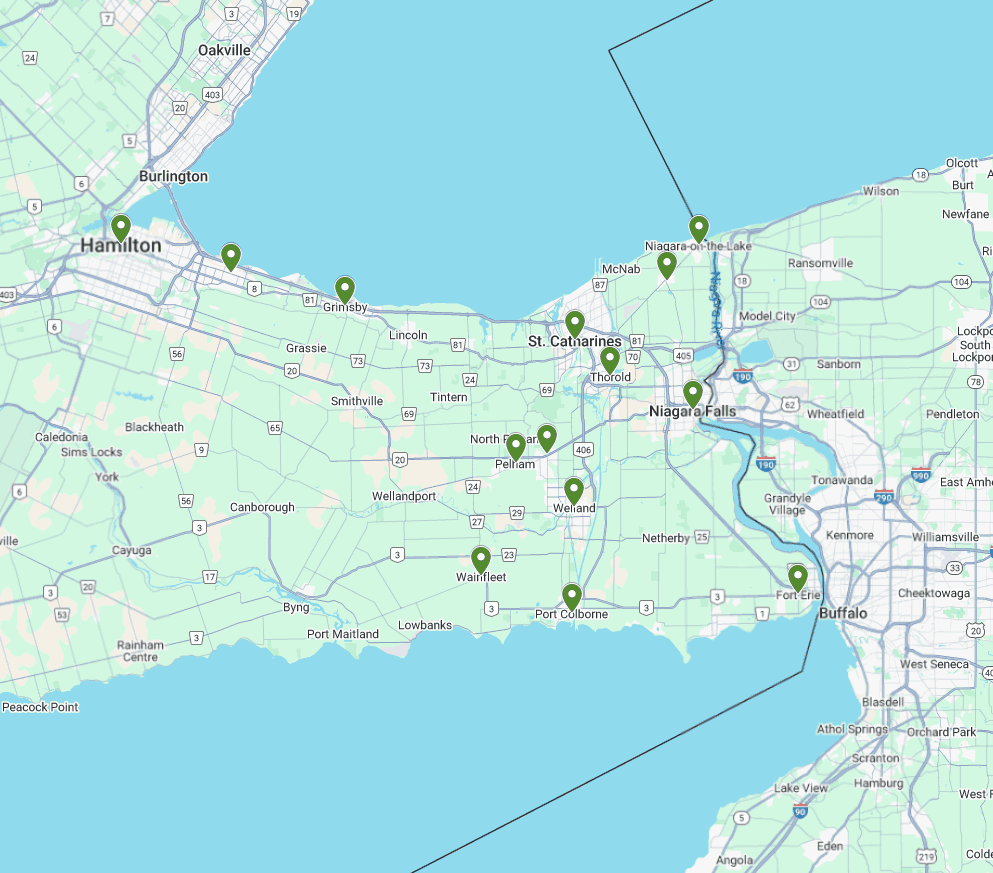
Our service areas encompass a wide range of locations, ensuring that we can meet the needs of our clients wherever they are. From bustling urban centers to serene rural landscapes, we are committed to providing top-notch services tailored to each unique environment.