



Water heater repair in Pelham, ON covers diagnosing common symptoms, choosing appropriate repair paths, and ensuring reliable hot water in cold Niagara Region winters. The guide describes typical failures such as inconsistent temperatures, leaks, noises, sediment buildup, and ignition problems, with step-by-step diagnostic checks, from visual inspections to flow testing and safety valves. It details tank and tankless repair options, post-repair testing, emergency service availability, warranty expectations, and practical maintenance practices to extend system life and preserve efficiency in local conditions.
Water Heater Repair in Pelham, ON
A reliable hot water supply is essential for comfort and daily routines in Pelham homes. Whether you have a traditional tank water heater or a modern tankless unit, recognizing problems early and choosing the right repair path prevents cold showers, property damage, and higher energy bills. common water heater symptoms in Pelham, how diagnostics and repairs are performed, what to expect from parts replacement and testing, emergency service options, warranty practices, and practical maintenance tips tailored to the Niagara Region climate.
Common water heater problems in Pelham, ON
Homes in Pelham face specific stresses on hot water systems, including cold winters and local groundwater mineral content. Common failure symptoms include:
- No hot water or inconsistent temperatures
- Causes: failed thermostat, heating element (electric), gas control valve (gas units), or scale buildup restricting heat transfer.
- Leaks or pooling water around the tank
- Causes: corroded tank walls, loose fittings, failed pressure relief valve, or a damaged drain valve.
- Strange noises (rumbling, popping, banging)
- Causes: heavy sediment buildup on the bottom of tank systems causing boiling pockets and noisy operation.
- Low hot water volume or short supply runs out quickly
- Causes: sediment reducing tank capacity, failing dip tube, or undersized tank for household demand.
- Pilot light or ignition problems (gas units)
- Causes: faulty thermocouple, gas control issues, or draft/vent obstructions.
- Scale and mineral-related failures (particularly in hard water areas)
- Causes: mineral deposition on heating elements and heat exchangers reduces efficiency and causes premature part failure.
- Error codes or frequent cycling (tankless units)
- Causes: blocked flow sensors, scale on heat exchanger, air supply or venting problems.
Diagnostic process: what a thorough inspection covers
Diagnosing a water heater correctly is the first step toward a durable repair. A systematic diagnostic will typically include:
This systematic approach ensures repairs target root causes rather than just symptoms.
Repairs and parts replacement — tank and tankless
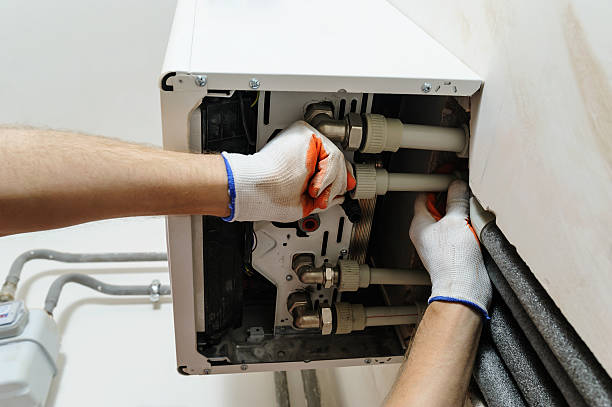
Repair solutions differ by system type. Common repair tasks include:
- Tank water heater repairs
- Replace failed heating elements or thermostats (electric)
- Replace gas control valves, thermocouples, or pilot assemblies (gas)
- Replace pressure relief valve, drain valve, or dip tube
- Anode rod replacement to slow tank corrosion
- Sediment flushing and tank cleaning to restore capacity and efficiency
- Tank replacement when corrosion has compromised tank integrity
- Tankless water heater repairs
- Descale/flush heat exchanger to remove mineral buildup
- Replace flow sensors, ignition modules, or control boards
- Repair or replace circulation components and temperature sensors
- Address venting and air/fuel supply issues for gas tankless systems
- Heat exchanger replacement in some cases, or full unit replacement when beyond repair
All repairs should include post-repair testing: leak checks, temperature verification, combustion analysis for gas units, and a final safety check on pressure relief and venting. Using OEM or equivalent quality parts and following manufacturer guidelines preserves performance and warranty coverage.
Emergency and same-day service
Certain symptoms require immediate attention to protect safety and property. Emergency conditions include active leaks, visible tank rupture, flooding, smell of gas, or complete loss of hot water in winter. For these issues, same-day response minimizes water damage, prevents freeze-related complications in cold weather, and addresses safety risks. Emergency work may include shutting off supply valves, temporary bypasses, securing the site, and prioritized repairs.
Transparent estimates and warranty practices
Clear, itemized estimates make repair decisions straightforward. A transparent estimate typically separates diagnostic assessment, labor, and parts so you know what drives the cost. Common practices include:
- Itemized written estimate before major repairs or replacements
- Explanation of recommended vs optional repairs and expected life extension
- Information about part origins and warranty status
- Warranty for repair labor and replaced parts—service warranties commonly cover workmanship for a set period, while manufacturer warranties cover specific parts for their stated terms
Ask for written details about the warranty for both parts and labor, what it covers, and any registration steps required to preserve manufacturer coverage.
Maintenance tips to extend system life in Pelham homes
Routine maintenance is the most effective way to avoid costly repairs in Pelham’s climate and hard water conditions:
- Annual flushing for tank systems to remove sediment and improve efficiency.
- Install or consider a water softening solution if mineral buildup is noticeable; even partial treatment (e.g., scale inhibitors) helps tankless heat exchangers.
- Check and replace the anode rod every 2 to 5 years depending on water chemistry.
- Inspect pressure relief valve and drain valve annually for proper operation.
- Keep tank and pipes insulated to reduce freeze risk and heat loss during cold months.
- Set water temperature to a safe, efficient level (commonly around 120 F) to reduce scale formation and scald risk.
- Schedule annual professional tune-ups for combustion analysis on gas units and descaling for tankless systems.
Why timely repair matters in Pelham
Quickly addressing water heater issues prevents secondary damage and improves energy efficiency. In Pelham’s seasonal climate, avoiding midwinter failures and the water damage that can follow a leaking tank is particularly important. Timely repairs also maximize the useful life of your system and reduce the likelihood of expensive emergency replacements.
Timely diagnosis, quality repairs using appropriate parts, and regular maintenance tailored to local water conditions will keep your water heater operating safely and efficiently for years.

Customer Testimonials

Lifesavers!! The AC in our house decided to quit the day we were passing the keys to the new owners!! Instead of making a service call to the house, John coached me through the minor repair over the phone, saving me the money and time waiting for a repair person to come.Much appreciated! Thanks again John

I called John today at 2:pm as my AC was not working and I wasn’t expecting even a call back as I knew with this hot weather we have had he would be swamped with calls. Well he called me back and showed at 8:pm on the same day to fix my AC. That is just incredible service and how much John really cares about his clients. Thank you John !
I had an issue with my hot water tank and called Niagara Home Heating. Their service was fantastic and reasonably priced—exactly how a business should be run!
Very efficient company. I needed an old solar water heater removed from my roof. They were quick to book an appointment for the next day after I sent photos. They were very knowledgeable of the issue. The 2 guys that came were friendly and competent with the job, including removal of all parts.
We had an amazing experience getting our new furnace installed with Niagara Home Heating. The owner was very helpful, their quote was more then competitive and the technician who installed the unit was professional and friendly. I would recommend their services.
I have used Niagara Home heating for multiple projects for over 16 years. John and his staff are absolutely the best. I tell all my friends and family about Niagara Home Heating because you won’t get any better service or pricing anywhere in Niagara. He has saved me thousands and thousands of dollars and has never let me down.

Service Areas
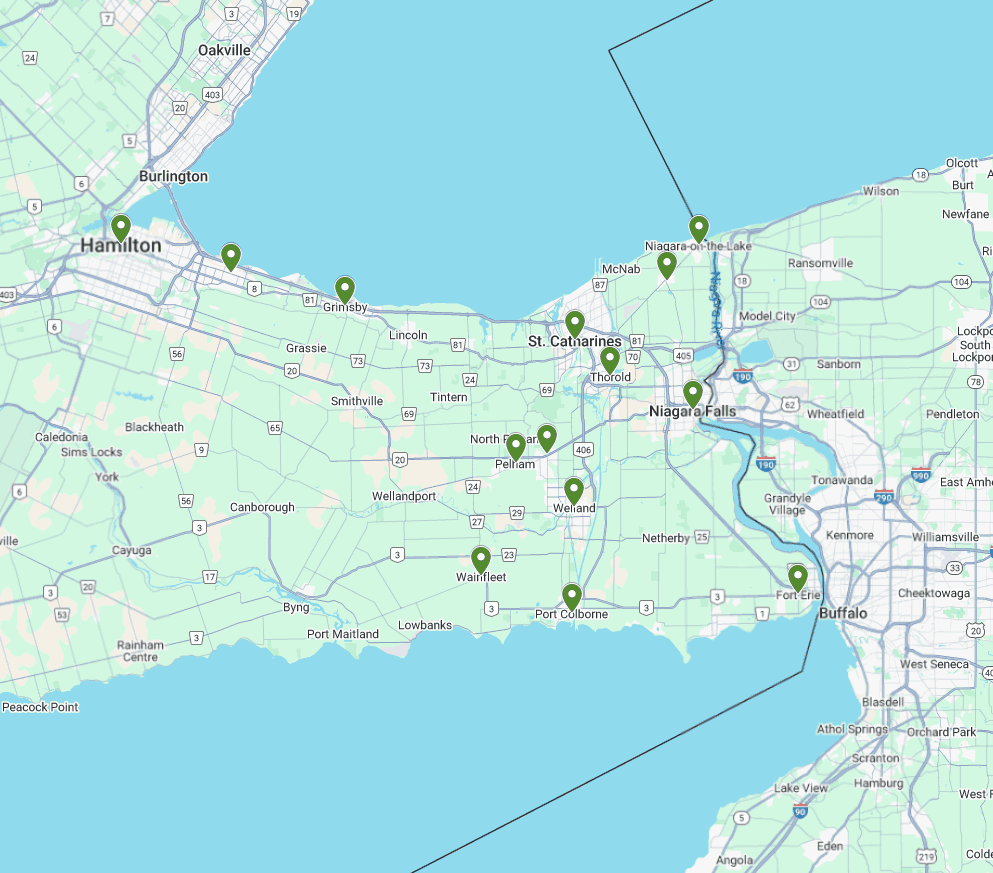
Our service areas encompass a wide range of locations, ensuring that we can meet the needs of our clients wherever they are. From bustling urban centers to serene rural landscapes, we are committed to providing top-notch services tailored to each unique environment.