



Water heater replacement in Pelham, ON provides a practical decision framework for choosing replacement over repair, compares tank and tankless options, and guides proper sizing for Pelham homes using storage and flow-rate metrics. It covers removal and disposal, installation steps and typical timelines, warranties, financing, and rebate support, and describes expected outcomes, cost factors, and maintenance tips to maximize longevity and energy savings for local households. The guide emphasizes accurate sizing, code-compliant installation, and energy-efficient options, including heat pumps.
Water Heater Replacement in Pelham, ON
Replacing a failing water heater is one of the most important home upgrades for comfort, safety, and long-term energy savings in Pelham, ON. Cold winters and frequent hot water demand for showers, laundry, and dishwashing make reliable hot water essential for local households. when replacement is recommended versus repair, compares tank and tankless options with energy-efficiency impacts, guides proper sizing and capacity for Pelham homes, describes removal and disposal of old units, outlines the replacement installation process and typical timelines, and reviews warranties, financing and rebate assistance and expected outcomes and cost considerations.
When to Replace vs Repair
Knowing when to replace a water heater prevents sudden loss of hot water and costly emergency fixes. Consider replacement when any of the following apply:
- The unit is near or past its expected lifespan: typically 8–12 years for conventional tanks and 15–20+ years for tankless systems.
- You have persistent leaks, rust-colored water, or corrosion on the tank or connections.
- Repeated repairs are required or a single repair would cost more than about half the price of a new unit.
- The heater cannot meet household hot water demand (short supply or significant temperature drops during simultaneous use).
- Energy bills are rising and the unit has a low energy efficiency rating compared with modern models.
- Safety issues exist, such as a faulty pressure relief valve, pilot light problems, or venting concerns for gas units.
If the problem is limited (a failed thermostat, a sediment-clogged heating element, or a worn anode rod), repair can be cost-effective. When multiple components show wear or the tank shows internal corrosion, replacement is the more reliable long-term choice.
Tank vs Tankless: Which Makes Sense in Pelham, ON
- Tank water heaters (gas or electric)
- Pros: Lower upfront cost, simple installation, stores hot water for peak demand.
- Cons: Standby heat loss, larger footprint, shorter lifespan than some alternatives.
- Best for: Homes with intermittent high simultaneous usage where stored hot water is practical.
- Tankless (on-demand) water heaters
- Pros: Compact, longer lifespan, reduced standby losses, continuous hot water supply when sized correctly.
- Cons: Higher upfront cost, may require gas line or electrical panel upgrades, performance depends on proper sizing, initial installation more complex.
- Best for: Homes seeking space savings, higher efficiency, and lower long-term operating costs—especially attractive in tight mechanical rooms in Pelham properties.
- Heat pump water heaters (electric)
- Pros: Highly efficient in moderate temperatures, can significantly reduce operating costs.
- Cons: Need space with adequate airflow and may be less efficient in very cold locations or unheated basements.
- Best for: Homeowners focused on energy savings and environmental impact, where installation space and climate conditions allow.
Local note: Pelham’s cold groundwater temperatures in winter increase the energy required to heat incoming water, so accurate sizing and choosing high-efficiency models matter more here than in milder climates.
Sizing and Capacity Guidance for Pelham Homes
Correct sizing prevents cold water dips and ensures efficiency. Two primary sizing metrics:
- Storage tank: Choose by capacity (gallons) and first-hour rating (FHR). Typical guidance:
- 1–2 people: 30–40 gallons
- 3–4 people: 40–60 gallons
- 5+ people or frequent simultaneous use: 60–80+ gallons or consider dual systems
- Tankless: Size by flow rate (GPM) and required temperature rise. Typical guidance:
- 1 bathroom home: 4–6 GPM
- 2-bathroom home: 6–9 GPM
- 3+ bathrooms or large houses: 9–12+ GPM or multiple units in parallelBecause incoming cold water in Pelham can be very low in winter, installers calculate the temperature rise (target outlet temperature minus incoming groundwater temperature) so the selected unit can maintain desired hot water output during the coldest months.
Removal and Disposal of Old Units
Removal includes safe draining of the tank, disconnection of fuel or electrical sources by licensed technicians, and proper disposal. For gas units, venting and gas line sealing are performed to code. Disposal follows local municipal regulations and recycling requirements for metal and refrigerants (when applicable). If sediment or hazardous materials are present, technicians follow safe handling procedures to protect your home and the environment.
Replacement Installation Process & Typical Timelines
Typical timelines:
- Standard tank-to-tank swap in an accessible location: one day.
- Tankless installation or jobs requiring gas line, venting, or electrical panel upgrades: 1–2 days, sometimes longer if permits or major upgrades are required.
- Permit turnaround or special parts can extend timelines; planning upfront reduces delays.
Warranties, Financing, and Rebate Assistance
- Manufacturer warranties vary by model: conventional tanks often carry 6–12 year limited tank warranties and separate parts coverage; tankless units commonly offer longer heat exchanger coverage and varied parts warranties.
- Installers typically provide a workmanship warranty for labor, covering installation-related issues for a defined period.
- Financing options and low-interest plans are commonly available to spread upfront costs.
- Many homeowners in the region qualify for energy-efficiency rebates or incentives for high-efficiency or heat pump water heaters. Assistance with identifying eligible programs and completing rebate applications is frequently offered to streamline the process.
Expected Outcomes and Cost Considerations
Replacing an aged water heater restores reliable hot water, lowers the risk of leaks damaging flooring or walls, and can improve energy efficiency. Cost factors that influence the final price include:
- Fuel type (natural gas, propane, electric, or heat pump)
- Unit capacity and efficiency rating
- Complexity of venting, gas line, or electrical upgrades
- Accessibility of the installation location
- Local permit and disposal fees
- Required water quality treatments (hard water may require a softener or regular descaling)
Operating cost expectations: modern high-efficiency tanks, tankless, and heat pump systems typically lower monthly energy use compared with older units. The optimal choice depends on household hot water usage patterns and the tradeoff between upfront investment and long-term savings.
Maintenance and Longevity Tips
- For tanks: annual flushing to remove sediment, inspection of the pressure relief valve, and periodic inspection of the anode rod extend life.
- For tankless units: regular descaling is recommended in hard water areas to maintain performance.
- Keep vents and combustion air areas clear for gas units and monitor for leaks or changes in performance.
Replacing a water heater is a technical decision with long-term implications for comfort, safety, and energy bills. Proper sizing, code-compliant installation, reliable removal and disposal, and attention to warranties and incentives ensure the best outcome for homes in Pelham, ON.

Customer Testimonials

Very efficient company. I needed an old solar water heater removed from my roof. They were quick to book an appointment for the next day after I sent photos. They were very knowledgeable of the issue. The 2 guys that came were friendly and competent with the job, including removal of all parts.

We had an amazing experience getting our new furnace installed with Niagara Home Heating. The owner was very helpful, their quote was more then competitive and the technician who installed the unit was professional and friendly. I would recommend their services.
I have used Niagara Home heating for multiple projects for over 16 years. John and his staff are absolutely the best. I tell all my friends and family about Niagara Home Heating because you won’t get any better service or pricing anywhere in Niagara. He has saved me thousands and thousands of dollars and has never let me down.
Lifesavers!! The AC in our house decided to quit the day we were passing the keys to the new owners!! Instead of making a service call to the house, John coached me through the minor repair over the phone, saving me the money and time waiting for a repair person to come.Much appreciated! Thanks again John
I had an issue with my hot water tank and called Niagara Home Heating. Their service was fantastic and reasonably priced—exactly how a business should be run!
I called John today at 2:pm as my AC was not working and I wasn’t expecting even a call back as I knew with this hot weather we have had he would be swamped with calls. Well he called me back and showed at 8:pm on the same day to fix my AC. That is just incredible service and how much John really cares about his clients. Thank you John !

Service Areas
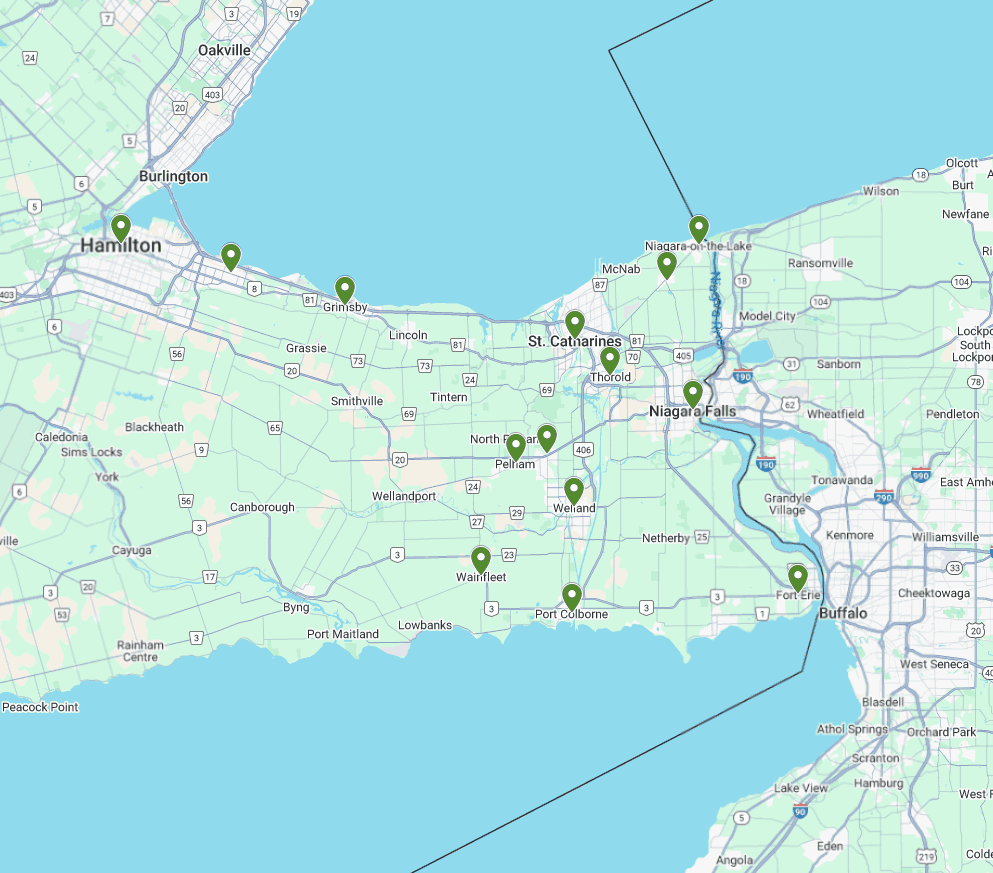
Our service areas encompass a wide range of locations, ensuring that we can meet the needs of our clients wherever they are. From bustling urban centers to serene rural landscapes, we are committed to providing top-notch services tailored to each unique environment.