



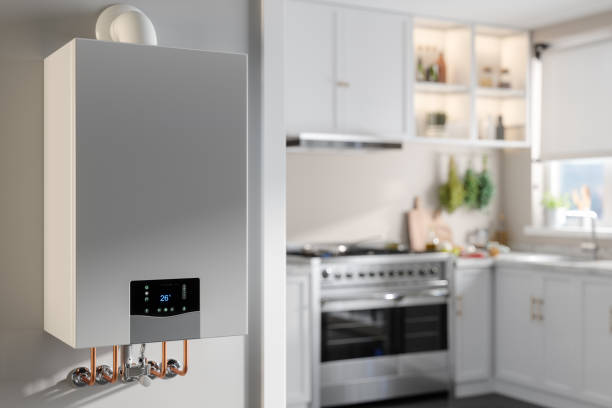
Water heater repair in Port Colborne, ON tackles common failures in both tank and tankless systems by diagnosing root causes, restoring safe operation, and preventing repeat issues. The diagnostic process emphasizes safety, visual inspection, operational testing, water quality checks, and clear recommendations. We outline typical repairs and parts, from replacing heating elements and thermostats to descaling heat exchangers and correcting gas components. Maintenance recommendations focus on annual descaling, sediment removal, and water-softener use to extend life and prevent cold-water outages.
Water Heater Repair in Port Colborne, ON
A reliable hot water supply is essential for daily life—showers, laundry, dishes and comfort during cold Port Colborne winters. When a tank or tankless water heater fails, it quickly becomes urgent. Professional water heater repair in Port Colborne, ON focuses on diagnosing the real cause, restoring safe operation, and preventing repeat problems that are common in lakeside communities where hard water, cold snaps, and seasonal use patterns accelerate wear.
Common water heater repair issues in Port Colborne
Homeowners in Port Colborne most often call for these problems:
- No hot water or inconsistent temperatures: Can be caused by failed heating elements, broken thermostats, pilot light or ignition issues (gas units), or sediment build-up in tanks.
- Leaking tank or fittings: Corrosion, a failed pressure relief valve, loose connections, or a ruptured tank due to age.
- Pilot or ignition failures (gas units): Dirty pilot assemblies, faulty thermocouple, defective gas valve, or safety interlocks.
- Strange noises from the tank: Popping, rumbling, or banging usually indicate sediment buildup that traps water at the bottom and causes localized boiling.
- Pressure or temperature problems: Frequent thermal cutoff trips, pressure relief valve discharge, or over-temperature shutdowns often signal thermostat, control, or pressure regulation faults.
- Reduced flow or water quality issues: Scale, rust, or a failing dip tube can reduce hot water delivery or cause discoloration and metallic taste—especially in areas with hard water.
- Tankless-specific faults: Error codes, flame failure, low flow cutouts, heat exchanger scale, or electronic control failures.
Diagnostic process — what to expect
A systematic diagnosis separates true repairs from temporary fixes. Typical diagnostic steps include:
- For tank units: test heating elements with a multimeter, check thermostat operation, inspect anode rod and pressure relief valve, and assess sediment levels by opening the drain briefly.
- For tankless units: read diagnostic codes, test flow sensors, inspect ignition system and burners, and check heat exchanger condition for scale.
Most on-site diagnostics take 30 to 90 minutes depending on access and system complexity.
Typical repairs and parts replacement
Common repair procedures and parts for tank and tankless systems include:
- Tank water heaters:
- Replace heating elements and thermostats
- Replace pressure relief valve or drain valve
- Flush and descale tank, remove sediment
- Replace anode rod to slow corrosion
- Repair or replace gas control valves, thermocouple, or pilot assembly
- Tighten/replace fittings to stop leaks; repair minor corrosion spots if feasible
- Tankless water heaters:
- Clean or replace flow sensors and filters
- Descale heat exchanger and replace sacrificial parts
- Replace ignition modules, gas valves, or control boards
- Repair or replace condensate or venting components
- Address low-flow or temperature drop issues by checking inlet filters and line sizing
Repair vs replacement is evaluated on the unit’s age, extent of damage, energy efficiency loss, and projected repair lifespan. In Port Colborne, where winters can be cold and hard water accelerates wear, timely replacement may be the more cost-effective option for older units.
Emergency response and expected timelines
Water heater failures can be urgent—loss of heat, active leaks, or gas-related faults require fast, safe attention. Emergency response options typically include after-hours diagnostics and temporary shutoff or isolation to prevent flooding or gas hazards.
- Typical response windows: same-day service is common for non-emergency issues; emergency calls often receive priority and on-site stabilization within hours depending on availability.
- Repair timeline on-site:
- Minor repairs (valves, thermostats, elements): 1–3 hours
- Moderate repairs (heat exchanger service, ignition system): 2–5 hours
- Major repairs or replacement installations: partial- to full-day work; replacements may require scheduling for equipment delivery and disposal
These timelines assume standard residential access and parts availability. In the Niagara Region supply or weather delays can occasionally affect scheduling.
Safety checks and warranties
Professional repairs include mandatory safety checks:
- Gas leak testing and combustion analysis for gas units
- Carbon monoxide risk inspection and ventilation assessment
- Pressure relief valve testing and pressure/temperature control verification
- Electrical safety checks: grounding, wiring, and breaker integrity
- Proper venting and clearance verification to meet code and reduce risk
Warranties vary: manufacturers typically cover parts under their terms, and many service providers offer limited labor warranties on repairs. Ask for clear documentation of what’s covered (parts, labor, duration) and any manufacturer transfer rules if you get a replacement unit.
Maintenance to prevent future breakdowns — local recommendations
Preventative maintenance dramatically reduces emergency repairs and extends equipment life—especially important in Port Colborne’s climate and water conditions.
- Annual service for tank units: flush the tank to remove sediment, inspect and replace anode rod as needed, test the pressure relief valve, and check thermostats and controls.
- Annual descaling for tankless systems: hard water around Lake Erie means mineral buildup can clog heat exchangers—annual descaling or installing a scale management system prevents flow and efficiency loss.
- Install a water softener or scale inhibitor if hard water is confirmed to reduce scale and protect heating components.
- Insulate hot water pipes and tank where appropriate to reduce recovery time and heat loss during cold months.
- Keep the area around the water heater clear for proper ventilation and service access.
- Test and document the temperature setting (typically 120F recommended) and pressure relief valve function yearly.
Timely maintenance before winter reduces the risk of failures during the coldest months when hot water demand spikes.
Why timely repair matters
Addressing hot water issues promptly prevents more costly damage—such as tank rupture, floor flooding, or unsafe gas/electrical conditions—while restoring comfort and energy efficiency. For Port Colborne homes, proactive maintenance and timely repairs protect against hard-water deterioration and freeze-related complications, delivering safer operation and longer system life.
Repairing and maintaining your water heater with knowledgeable diagnostics and safety-first procedures ensures consistent hot water, lowers operating costs, and eliminates surprises when you need hot water most.

Customer Testimonials

I called John today at 2:pm as my AC was not working and I wasn’t expecting even a call back as I knew with this hot weather we have had he would be swamped with calls. Well he called me back and showed at 8:pm on the same day to fix my AC. That is just incredible service and how much John really cares about his clients. Thank you John !

Very efficient company. I needed an old solar water heater removed from my roof. They were quick to book an appointment for the next day after I sent photos. They were very knowledgeable of the issue. The 2 guys that came were friendly and competent with the job, including removal of all parts.
Lifesavers!! The AC in our house decided to quit the day we were passing the keys to the new owners!! Instead of making a service call to the house, John coached me through the minor repair over the phone, saving me the money and time waiting for a repair person to come.Much appreciated! Thanks again John
I have used Niagara Home heating for multiple projects for over 16 years. John and his staff are absolutely the best. I tell all my friends and family about Niagara Home Heating because you won’t get any better service or pricing anywhere in Niagara. He has saved me thousands and thousands of dollars and has never let me down.
We had an amazing experience getting our new furnace installed with Niagara Home Heating. The owner was very helpful, their quote was more then competitive and the technician who installed the unit was professional and friendly. I would recommend their services.
I had an issue with my hot water tank and called Niagara Home Heating. Their service was fantastic and reasonably priced—exactly how a business should be run!

Service Areas
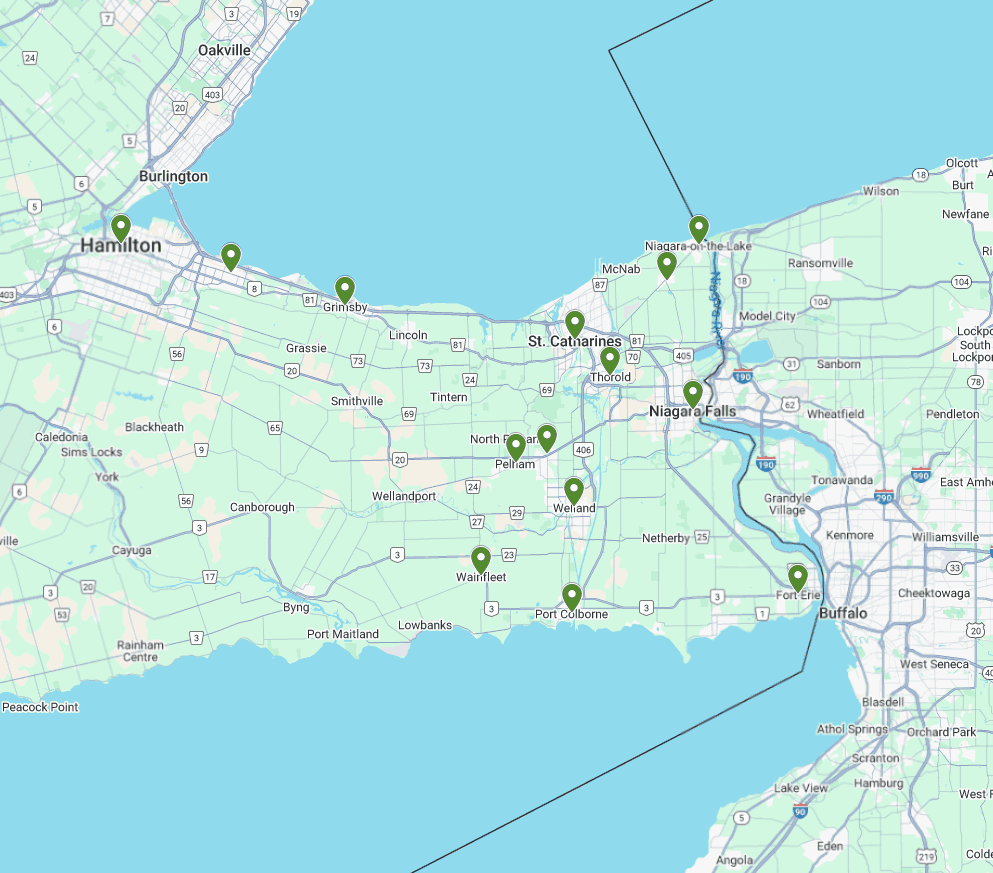
Our service areas encompass a wide range of locations, ensuring that we can meet the needs of our clients wherever they are. From bustling urban centers to serene rural landscapes, we are committed to providing top-notch services tailored to each unique environment.