



Emergency AC repair in Hamilton, ON is essential during hot, humid summers to protect health and property. This service page 24/7 rapid-response procedures, on-site diagnostics, temporary relief measures, and fast parts replacement to restore comfort quickly while maintaining safety. It covers triage, estimated arrival windows, safety checks, and clear communications about call-out fees, diagnosis, and repair versus replacement options. By detailing common emergency issues, temporary fixes, and proactive safety standards, it demonstrates a transparent, customer-focused approach to urgent temperature-control needs.
.jpeg)
AC emergency-ac-repair in Hamilton, ON
When an air conditioner fails in the middle of a hot, humid Hamilton summer, it is more than an inconvenience — it can be a health and safety concern for infants, elderly residents, and people with medical conditions. It describes what to expect from 24/7 emergency air conditioning repair in Hamilton, ON, including typical urgent failures, our rapid-response procedures, on-site diagnostics and temporary relief measures, fast parts replacement practices, safety protocols, how emergency call-out fees usually work, and what to have ready when requesting immediate service.
Why 24/7 emergency AC repair matters in Hamilton, ON
Hamilton experiences warm, humid summers and periodic heat waves that place heavy demand on residential and commercial AC systems. Older homes and older HVAC equipment common across the city are more likely to fail under strain. A responsive emergency AC repair service restores comfort, prevents secondary damage (like water from frozen evaporator coils thawing and leaking) and reduces the risk of system damage that leads to costly replacements.
Common emergency AC issues in Hamilton, ON
- Complete compressor failure: Unit runs but no cool air. Often caused by electrical faults or refrigerant issues.
- Refrigerant leaks and rapid pressure loss: Sudden drop in cooling capacity and ice forming on coils.
- Frozen evaporator coil: System stops cooling; ice can melt and cause water damage when defrosting.
- Outdoor unit not running: Fan or condenser motor failure after a heat spike or power surge.
- Electrical faults and tripped breakers: Repeated trips indicate a serious electrical problem and fire risk.
- Strange smells or smoke: Burnt wiring or failed components require immediate shutdown and inspection.
- Complete system shutdown: No power, no fan, no compressor — often due to control board or capacitor failure.
Rapid-response emergency procedures
On-site diagnostics and temporary relief measures
- System inspection: Visual check of outdoor and indoor units, electrical panels, wiring, capacitors, contractor contactors, filters, refrigerant lines and drainage.
- Electrical testing: Voltage, amperage and continuity tests to find failing components.
- Refrigerant check: Pressure readings to detect leaks or low charge. Small leaks may be temporarily topped up for immediate cooling, but long-term repair is scheduled.
- Temporary fixes:
- Bypassing a failed start capacitor only when safe to restore operation briefly.
- Clearing blockages and thawing frozen coils while drying condensate to prevent water damage.
- Installing portable cooling or recommending safe ventilation steps until full repair is completed.
- Securing loose panels or replacing simple components such as fuses and breakers to get the system running.
All temporary measures are accompanied by clear notes on limitations and a plan for permanent repair.
Fast parts replacement practices
- Technicians carry inventory of high-failure items: capacitors, contactors, fuses, thermostats, fan motors and common control boards.
- For less common or manufacturer-specific parts, technicians can often perform a safe temporary repair and source the correct replacement quickly through express ordering.
- When full component replacement is required, technicians explain lead times and provide a realistic timeline for permanent restoration of service.
Safety protocols during emergency repairs
- Electric power is isolated before handling wiring or internal components.
- HVAC technicians use personal protective equipment and follow manufacturer and local electrical code safety standards.
- If smoke, burning smells, refrigerant odor or suspected carbon monoxide are present, the property is evacuated and the relevant utilities and authorities are notified when required.
- Technicians will not perform risky, unapproved shortcuts; safety takes precedence over restoring immediate comfort.
Emergency call-out fees and what to expect
- Emergency service typically includes a call-out fee that covers after-hours response and prioritization. This fee structure varies; expect different rates for nights, weekends and statutory holidays.
- The call-out fee generally includes the initial on-site assessment and any immediate, small-scale temporary repairs.
- Larger repairs, parts, and replacements are estimated separately after diagnosis. Technicians will provide a clear explanation of required work, options (repair vs replace), and any urgent recommendations before proceeding with billable repairs.
What to have ready when requesting immediate service
- Exact address and access instructions for the property.
- Symptoms observed: no cooling, strange noises, smells, water leaking, tripped breakers, or error codes on the thermostat. Note when the problem started and any recent power outages or service interruptions.
- AC system details, if available: make, model, approximate age, and last maintenance date. Photographs of the outdoor unit or thermostat can speed assessment.
- Any household health concerns (infants, elderly, respiratory conditions) so triage can prioritize urgency.
Preventing future emergencies and longer-term benefits
Regular maintenance significantly reduces emergency incidents. Seasonal tune-ups, timely filter changes, refrigerant inspections and electrical checks improve reliability and prolong equipment life. For Hamilton homeowners, proactive maintenance is especially valuable because hot, humid summers stress systems and raise the stakes for a failure.
Timely emergency repair services restore comfort quickly, prevent property damage, and often save money by avoiding total system loss. When an AC emergency occurs in Hamilton, ON, an organized rapid-response approach that balances immediate relief, safety, and transparent pricing is the best path to restore cooling and peace of mind.

Customer Testimonials

I called John today at 2:pm as my AC was not working and I wasn’t expecting even a call back as I knew with this hot weather we have had he would be swamped with calls. Well he called me back and showed at 8:pm on the same day to fix my AC. That is just incredible service and how much John really cares about his clients. Thank you John !

We had an amazing experience getting our new furnace installed with Niagara Home Heating. The owner was very helpful, their quote was more then competitive and the technician who installed the unit was professional and friendly. I would recommend their services.
Lifesavers!! The AC in our house decided to quit the day we were passing the keys to the new owners!! Instead of making a service call to the house, John coached me through the minor repair over the phone, saving me the money and time waiting for a repair person to come.Much appreciated! Thanks again John
I have used Niagara Home heating for multiple projects for over 16 years. John and his staff are absolutely the best. I tell all my friends and family about Niagara Home Heating because you won’t get any better service or pricing anywhere in Niagara. He has saved me thousands and thousands of dollars and has never let me down.
Very efficient company. I needed an old solar water heater removed from my roof. They were quick to book an appointment for the next day after I sent photos. They were very knowledgeable of the issue. The 2 guys that came were friendly and competent with the job, including removal of all parts.
I had an issue with my hot water tank and called Niagara Home Heating. Their service was fantastic and reasonably priced—exactly how a business should be run!

Service Areas
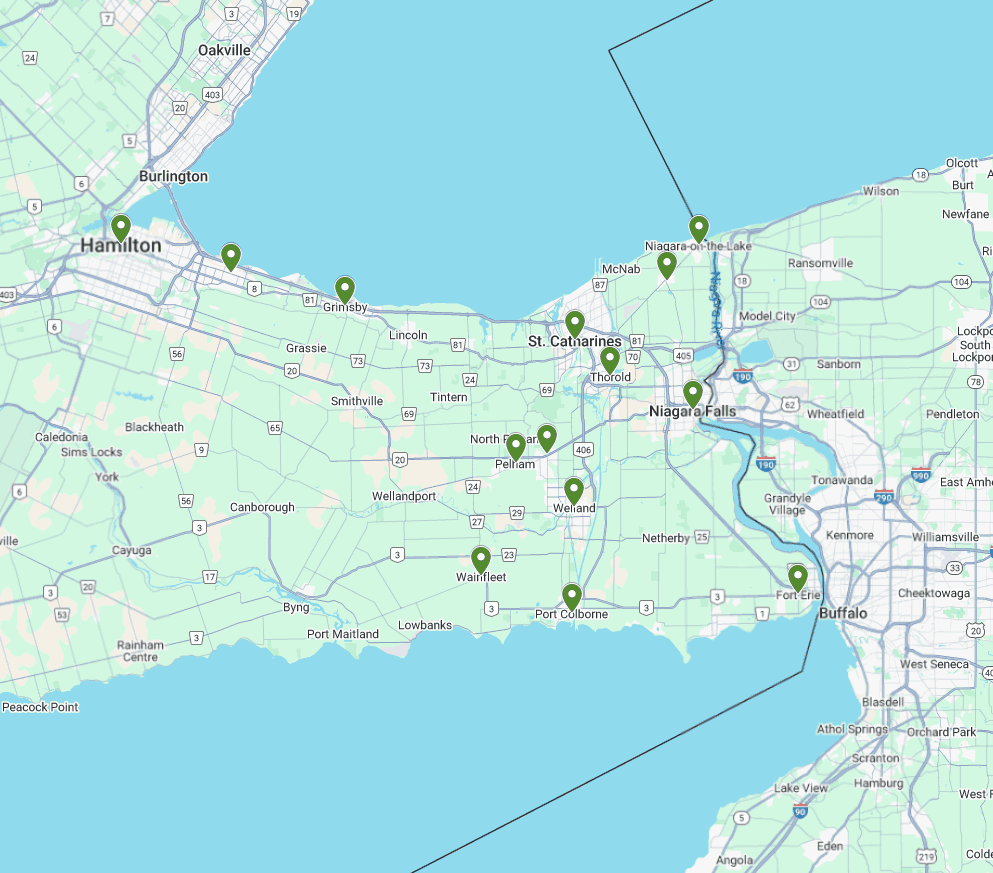
Our service areas encompass a wide range of locations, ensuring that we can meet the needs of our clients wherever they are. From bustling urban centers to serene rural landscapes, we are committed to providing top-notch services tailored to each unique environment.