



AC installation in Hamilton, ON involves selecting the right system, sizing accurately, and ensuring code-compliant electrical work to deliver reliable cooling. The process covers on-site load calculations, duct assessment, and equipment placement, with emphasis on energy efficiency, humidity control, and safe operation. Homeowners learn about model options, permits, timelines, and post-installation maintenance, including season tune-ups and duct sealing. The goal is durable comfort, lower operating costs, and enhanced resale value through a professional, coordinated installation.
-min.jpeg)
AC installation in Hamilton, ON
Keeping your home comfortable and energy efficient during Hamiltons hot, humid summers starts with the right air conditioner and a professional installation. Whether you live near the waterfront, up on the escarpment, or in one of Hamiltons older neighbourhoods, a correctly sized, code-compliant AC system will lower cooling costs, improve indoor air quality, and reduce the risk of premature equipment failure. Below is a clear, expert overview of the complete AC installation process in Hamilton, ON, what homeowners should expect, common local issues, and recommended post-installation care.
Why proper AC installation matters in Hamilton, ON
- Hamilton experiences warm, humid summers and variable microclimates due to the Niagara Escarpment and Lake Ontario. That increases cooling load and moisture management needs.
- Many homes in Hamilton are older and may have undersized or leaky ductwork, insufficient electrical service, or limited attic space. Those factors directly affect system performance.
- A professional installation ensures correct sizing, safe electrical connections, efficient airflow, and compliance with Ontario building and electrical codes—resulting in long-term savings and reliable comfort.
Common AC installation types and common issues in Hamilton, ON
- Central air conditioner installations for homes with existing ductwork.
- High-efficiency heat pump installations as a dual heating and cooling solution.
- Ductless mini split installations for older homes, additions, or rooms without ductwork.
- Common local issues:
- Undersized or leaking ducts that reduce efficiency and cooling capacity.
- Inadequate electrical service or older panels that cannot handle new compressor loads.
- Improper system sizing that causes short cycling and poor humidity control.
- Restricted attic or outdoor unit locations in dense urban lots.
Initial consultation and load calculation
- The process begins with an on-site consultation to review your homes layout, insulation, window exposures, attic insulation, and existing duct system.
- A Manual J load calculation is used to determine the correct cooling capacity in BTU or tons for your home. This moves beyond rule-of-thumb sizing and prevents oversizing or undersizing.
- Technicians will inspect ductwork, air handler locations, electrical panels, and potential condenser placement options to identify any pre-installation upgrades needed.
Choosing energy-efficient models
- Efficiency is measured by SEER (Seasonal Energy Efficiency Ratio) and for heat pumps by HSPF. In Hamiltons climate, higher SEER units and variable-speed compressors improve comfort and humidity control.
- Consider features that matter locally:
- Variable-speed blower and inverter-driven compressors for quieter operation and better humidity management.
- Two-stage or modulating equipment to handle peak heat days without short cycling.
- High-efficiency air filtration and dehumidification options to address humidity and spring to summer pollen seasons.
Ductwork and electrical considerations
- Ductwork: Properly sized, sealed, and insulated ducts maximize airflow and reduce energy losses. Expect duct repair, sealing with mastic or foil tape, and possibly redesign for improved balancing.
- Air handler placement and return-air design are integral. Correct return sizing avoids pressure imbalances and prevents dust infiltration in older homes.
- Electrical: New AC compressors typically require dedicated circuits and adequate breaker and wire sizing. Older homes may need a panel upgrade or subpanel to meet current electrical codes and safe operation.
- Outdoor unit placement needs clearance for airflow, service access, and to limit noise disturbance to neighbours in denser Hamilton areas.
Permit and code compliance
- Installations must follow Ontario building code requirements and often require permits and inspections through the City of Hamilton.
- Electrical work usually requires approvals by the Electrical Safety Authority (ESA). Proper permits protect homeowners and ensure safety and insurance compliance.
- Professional installers will prepare documentation for permits and inspections and coordinate necessary approvals.
Typical installation timeline
- Standard residential central AC installation can take one to two days depending on pre-existing conditions.
- Jobs that require duct modification, electrical upgrades, or permit waits may extend the timeline to several days or weeks.
- Install sequences include site prep, indoor and outdoor equipment placement, refrigerant line installation, electrical connections, system start-up, and final testing.
Quality assurance and testing
- After installation, a thorough start-up and commissioning process verifies refrigerant charge, static pressure, airflow, electrical load, and thermostat calibration.
- Technicians perform system balancing, test safety controls, and confirm correct defrost and compressor operation on heat pumps.
- A final walkthrough explains operation, maintenance actions, filter types, and warranty coverage.
Rebates, financing, and incentives in Hamilton, ON
- Homeowners in Hamilton may qualify for provincial and federal incentives or local utility programs that encourage high-efficiency equipment and electrification. Examples include energy-efficiency rebate programs and broader home retrofit grants.
- Financing options are commonly available to spread the cost of equipment and necessary home upgrades such as duct sealing or electrical work.
- When evaluating options, prioritize equipment that meets rebate criteria and retains factory warranties.
Warranty, maintenance, and long-term recommendations
- Confirm manufacturers equipment warranty and the installers workmanship warranty. Proper installation often protects and preserves warranty coverage.
- Recommended maintenance:
- Seasonal tune-ups to clean coils, check refrigerant, confirm airflow, and test safety controls.
- Replace or clean filters regularly and keep outdoor condensers free of debris and vegetation.
- Annual duct inspections and sealing where needed to maintain efficiency.
- Planned maintenance extends equipment life, sustains efficiency, and improves indoor air quality—important in Hamiltons humid climate.

Customer Testimonials

I called John today at 2:pm as my AC was not working and I wasn’t expecting even a call back as I knew with this hot weather we have had he would be swamped with calls. Well he called me back and showed at 8:pm on the same day to fix my AC. That is just incredible service and how much John really cares about his clients. Thank you John !

I had an issue with my hot water tank and called Niagara Home Heating. Their service was fantastic and reasonably priced—exactly how a business should be run!
I have used Niagara Home heating for multiple projects for over 16 years. John and his staff are absolutely the best. I tell all my friends and family about Niagara Home Heating because you won’t get any better service or pricing anywhere in Niagara. He has saved me thousands and thousands of dollars and has never let me down.
We had an amazing experience getting our new furnace installed with Niagara Home Heating. The owner was very helpful, their quote was more then competitive and the technician who installed the unit was professional and friendly. I would recommend their services.
Lifesavers!! The AC in our house decided to quit the day we were passing the keys to the new owners!! Instead of making a service call to the house, John coached me through the minor repair over the phone, saving me the money and time waiting for a repair person to come.Much appreciated! Thanks again John
Very efficient company. I needed an old solar water heater removed from my roof. They were quick to book an appointment for the next day after I sent photos. They were very knowledgeable of the issue. The 2 guys that came were friendly and competent with the job, including removal of all parts.

Service Areas
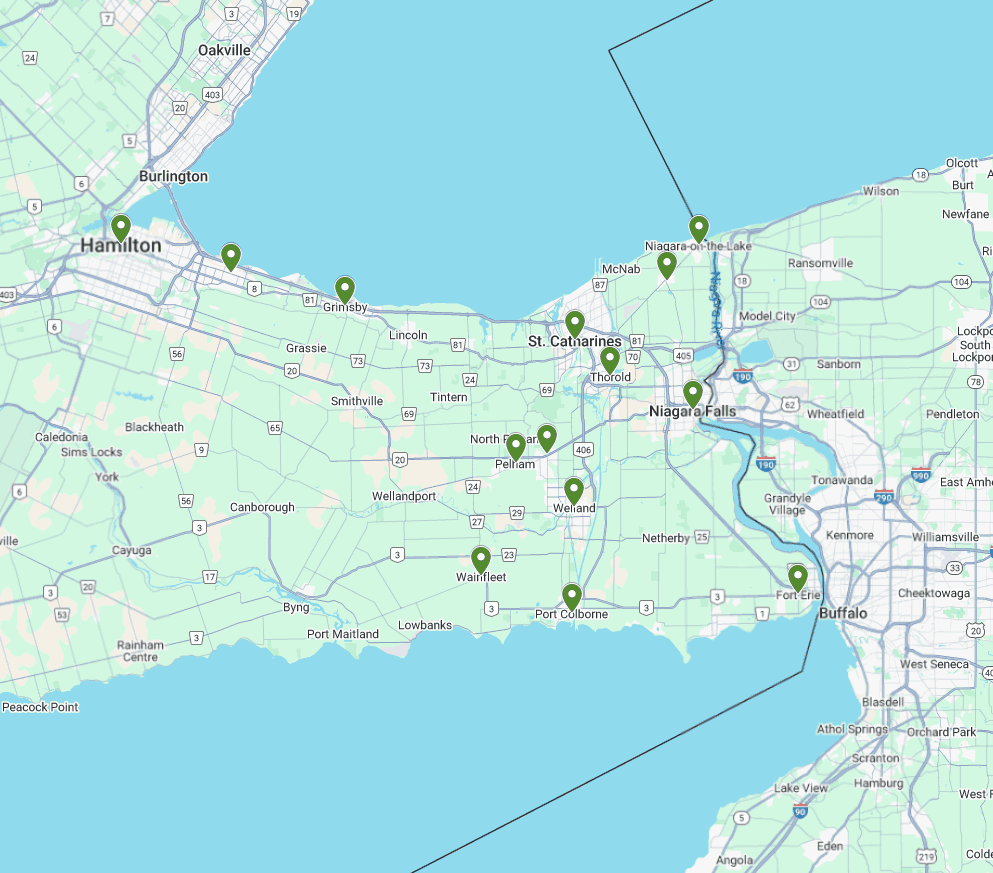
Our service areas encompass a wide range of locations, ensuring that we can meet the needs of our clients wherever they are. From bustling urban centers to serene rural landscapes, we are committed to providing top-notch services tailored to each unique environment.