



AC repair in Hamilton, ON offers residential and commercial diagnostics, repairs, and prevention tailored to local climate. The guide common symptoms, root causes, and practical repair strategies, from refrigerant issues to electrical faults, with transparent pricing and typical timelines. The approach emphasizes thorough diagnostics, safety, and regulator-compliant disposal, plus maintenance tips to extend equipment life. Clients learn how to weigh repair versus replacement and implement preventive steps that reduce energy use and future outages.

AC repair in Hamilton, ON
When your air conditioner struggles during Hamilton’s hot, humid summers, it affects comfort at home and productivity in commercial spaces. AC repair in Hamilton, ON covers both residential and commercial systems—rooftop package units, split systems, heat pumps and ductless setups—and focuses on fast, reliable diagnostics and long-term fixes that reduce energy costs and prevent repeat failures. Below is a practical, decision-focused guide explaining common problems, how technicians diagnose them, typical repairs and timelines, parts and labor norms, and prevention tips tuned to Hamilton’s climate and building stock.
Why prompt AC repair matters in Hamilton
Hamilton’s proximity to Lake Ontario means higher humidity and heavier cooling loads through July and August. Older homes and commercial buildings in the area often have undersized or aging equipment, which increases the risk of mid-summer breakdowns. Timely repair:
- Restores comfort and indoor air quality
- Prevents damage (frozen coils, compressor burnout)
- Lowers energy bills by restoring efficient operation
- Extends the service life of your system
Common AC problems we encounter in Hamilton
Residential and commercial customers typically report these symptoms:
- Weak or warm airflow from vents
- Unit won’t start or cycles on and off rapidly
- Strange noises (clanking, hissing, buzzing)
- Leaking water near indoor unit or pan overflow
- Sudden spike in electricity usage
- Thermostat not controlling temperature correctly
Common faults behind those symptoms:
- Compressor failure or impending compressor issues
- Refrigerant leaks and low refrigerant charge
- Electrical faults: failed capacitors, contactors, breakers, wiring
- Thermostat faults or incorrect settings/wiring
- Blocked condensate drains or dirty evaporator/condenser coils
- Fan motor or blower issues
Diagnostic process — what to expect
A thorough diagnostic is critical to identify root causes rather than just treating symptoms. Typical diagnostic steps:
Diagnostics typically take 30–90 minutes for a residential visit; larger commercial jobs or rooftop units can require longer on-site assessment.
Repairs: what’s commonly fixed and why
- Compressor issues: Symptoms include loud humming or no cooling. Options range from replacing start/run capacitors, attempting to salvage the compressor in limited situations, to full compressor replacement. Compressor replacement is labor-intensive and often triggers consideration of full system replacement if the unit is older.
- Refrigerant leaks: Technicians locate and repair leaks, recover and recharge refrigerant. Leak repair plus recharge is a practical fix for recent systems; repeated leaks on old coils often mean replacement is more cost-effective. Certified handling and proper refrigerant reclamation are required.
- Electrical repairs: Replacing failed capacitors, contactors, relays, or repairing wiring faults typically restores reliable operation and prevents repetitive starter problems.
- Thermostat problems: Recalibration, rewiring, software updates on smart thermostats, or replacement for accurate control.
- Condensate and coil cleaning: Clearing clogged drains and cleaning coils improves capacity and prevents coil freeze-ups. This is a fast, high-impact repair.
- Fan and blower motor repairs: Replacing bearings, belts (where applicable) or motors to restore airflow.
Parts and labor policies (typical industry approach)
- Diagnostic fee: Commonly charged to cover time and tests; many providers credit this toward repair cost if work proceeds during the same visit.
- Parts: Manufacturer parts often carry a parts warranty (commonly 1–5 years depending on the component). Aftermarket options may be available for older equipment.
- Labor: Labor warranties for repairs typically range from 30 to 365 days depending on company policy and job type. Expect clear, written estimates before major repairs.
- Safety and disposal: Defective components and refrigerant are handled per Canadian regulations with proper disposal and reclamation.
Typical pricing and expected service duration (estimates)
Note: actual costs vary by unit size, accessibility, parts availability and whether the system is residential or commercial.
- Diagnostic visit: typical range CAD 95–175
- Refrigerant recharge (residential): CAD 150–450 depending on refrigerant type and leak repair needs
- Capacitor/contactor replacement: CAD 100–350 including parts and labor
- Thermostat replacement: CAD 150–450 depending on model (basic vs smart)
- Evaporator/condenser coil cleaning or minor repairs: CAD 150–600
- Compressor replacement or major component replacement: CAD 1,200–3,500+ for residential; commercial rooftop units can be substantially higher and may require multi-day work
Service duration:
- Minor repairs (capacitor, condensate, thermostat): 30 minutes to 2 hours
- Refrigerant leak repair and recharge: 1–4 hours (may require follow-up)
- Major component replacement or commercial rooftop repairs: several hours to 1–2 days, depending on parts availability and crane access for rooftop units
Service guarantees and workmanship
A professional repair includes testing the system under load, verifying safety controls, and documenting final temperatures and voltages. Typical service guarantees include:
- Workmanship warranty for a set period (commonly 30–365 days)
- Verification of proper operation and cooling capacity after repair
- Compliance with safety codes and refrigerant handling regulations
Recommendations to prevent future breakdowns
Preventive maintenance is the most cost-effective route in Hamilton’s humid environment:
- Schedule tune-ups at least once a year; twice a year is recommended for commercial systems or properties with heavy use.
- Replace or clean filters every 1–3 months during summer.
- Keep the outdoor unit free of debris and vegetation and maintain 2–3 feet clearance.
- Inspect and clean condensate drains and pans annually.
- Seal and insulate ducts where possible to reduce load on the system.
- Consider a programmable or smart thermostat to reduce cycling and wear.
- For rooftop commercial units, allow scheduled rooftop inspections to check curb flashing, vibration isolation and condensate piping.
Bottom line
AC repair in Hamilton, ON should solve the immediate comfort issue and protect your system from repeat failures. A complete diagnostic, transparent parts and labor policies, clear timelines and a workmanship warranty reduce risk and help you choose between repair and replacement. Proper preventive maintenance tuned to Hamilton’s humid summers will keep energy bills down and equipment running reliably through the season.

Customer Testimonials

We had an amazing experience getting our new furnace installed with Niagara Home Heating. The owner was very helpful, their quote was more then competitive and the technician who installed the unit was professional and friendly. I would recommend their services.

Lifesavers!! The AC in our house decided to quit the day we were passing the keys to the new owners!! Instead of making a service call to the house, John coached me through the minor repair over the phone, saving me the money and time waiting for a repair person to come.Much appreciated! Thanks again John
I had an issue with my hot water tank and called Niagara Home Heating. Their service was fantastic and reasonably priced—exactly how a business should be run!
Very efficient company. I needed an old solar water heater removed from my roof. They were quick to book an appointment for the next day after I sent photos. They were very knowledgeable of the issue. The 2 guys that came were friendly and competent with the job, including removal of all parts.
I have used Niagara Home heating for multiple projects for over 16 years. John and his staff are absolutely the best. I tell all my friends and family about Niagara Home Heating because you won’t get any better service or pricing anywhere in Niagara. He has saved me thousands and thousands of dollars and has never let me down.
I called John today at 2:pm as my AC was not working and I wasn’t expecting even a call back as I knew with this hot weather we have had he would be swamped with calls. Well he called me back and showed at 8:pm on the same day to fix my AC. That is just incredible service and how much John really cares about his clients. Thank you John !

Service Areas
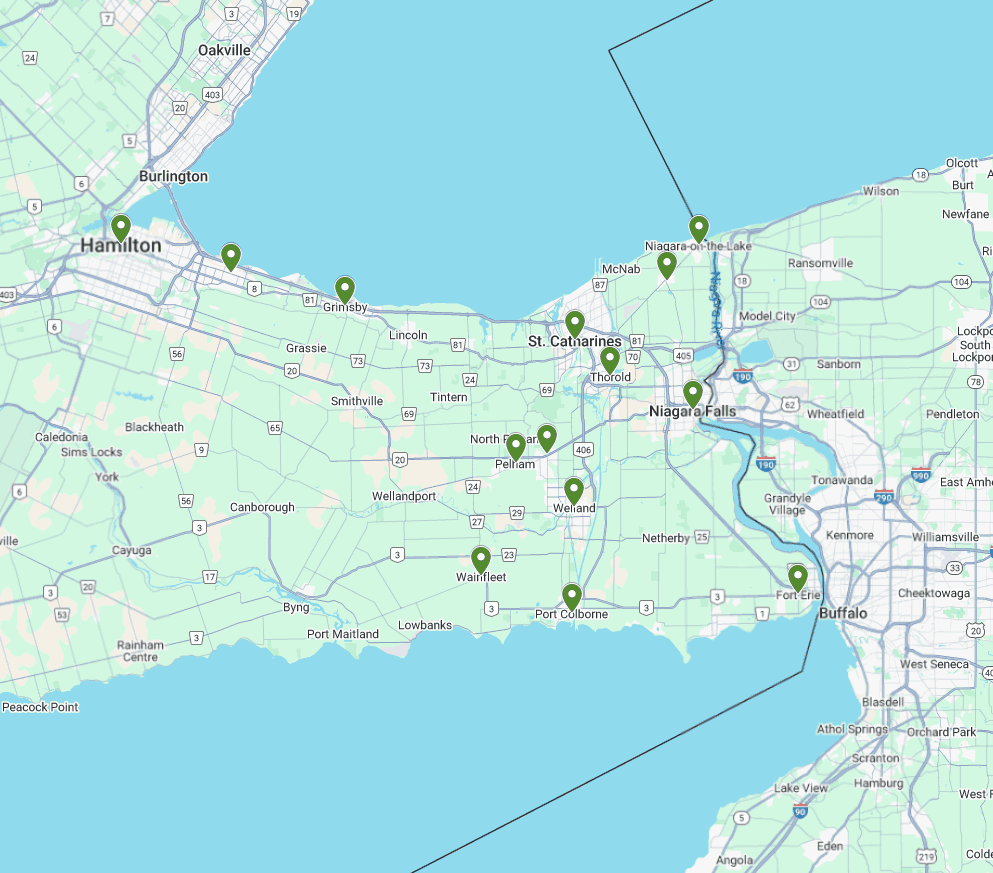
Our service areas encompass a wide range of locations, ensuring that we can meet the needs of our clients wherever they are. From bustling urban centers to serene rural landscapes, we are committed to providing top-notch services tailored to each unique environment.