



AC replacement in Hamilton, ON provides a comprehensive, step-by-step guide from initial assessment to post-installation care. It explains when replacement is recommended, how a professional evaluation determines need, how load calculations and efficiency ratings guide equipment selection, and what to expect during removal and installation. The article covers timelines, pricing, financing, warranties, and post-install testing, plus maintenance tips to maximize system life and reliability for Hamilton’s humid climate. It emphasizes informed decisions, budgeting, and long-term comfort with locally tailored recommendations.
.jpeg)
AC Replacement in Hamilton, ON
Replacing an aging or failing air conditioner is a big decision for Hamilton homeowners. With hot, humid summers and older housing stock in many neighbourhoods, an inefficient or undersized AC can drive up energy bills, shorten equipment life, and leave you uncomfortable when you need cooling most. It describes when AC replacement is recommended, how a professional evaluation is done, how we size and select equipment for Hamilton homes, what to expect during removal and installation, typical timelines, how pricing and financing work, warranty considerations, and post-installation testing and care to maximize the lifespan of your new system.
When replacement is recommended
Consider replacing your air conditioner if you notice one or more of the following:
- System age: most conventional central AC systems older than 10 to 15 years are prime candidates for replacement due to declining efficiency and parts scarcity.
- Frequent repairs: repeated compressor failures, refrigerant leaks, or costly component replacements indicate diminishing returns.
- Poor efficiency: rising energy bills despite regular maintenance, or systems that struggle to reach set temperatures on humid summer days in Hamilton.
- R22 refrigerant presence: older systems using phased-out refrigerants are increasingly costly to recharge and maintain.
- Comfort issues: uneven cooling, excessive humidity indoors, or noisy operation that cannot be fixed by service alone.
- Home upgrades: after insulation, window, or major renovation work, a new right-sized system often improves comfort and efficiency.
The evaluation process: how we decide replacement is the best option
A thorough evaluation looks beyond age and symptoms to determine the optimal path:
- System history review: documented repairs, service records, and frequency of past breakdowns.
- Performance diagnostics: measuring airflow, refrigerant charge, compressor and fan operation, and thermostat accuracy.
- Efficiency check: comparing current performance to expected output for the unit’s model and age.
- Duct and envelope inspection: assessing duct leakage, insulation levels, and attic ventilation that affect cooling load.
- Home comfort assessment: number of occupants, lifestyle patterns, shade, and home orientation—factors that influence cooling needs in Hamilton’s humid summers.
This structured evaluation ensures replacement is recommended only when it provides a clear, long-term value over repair.
Equipment selection and correct sizing
Proper equipment selection and sizing are critical for comfort, efficiency, and longevity:
- Sizing by load calculation: homes in Hamilton benefit from a Manual J style load calculation rather than rule-of-thumb tonnage. Local climate variables like humidity, lake effect moderating winter but increasing summer humidity, and common older construction types are factored in.
- Efficiency ratings: SEER and HSPF ratings indicate seasonal efficiency. Higher ratings typically save more on energy bills but cost more up front. Matching efficiency to your budget and long-term goals matters.
- Matched systems: choosing a coil and outdoor unit designed to work together avoids inefficiencies and reliability issues.
- Compatibility with ductwork and furnace: for split systems, compatibility with existing furnace plenum and airflow is checked to avoid imbalance.
- Options: two-stage compressors or variable-speed systems manage humidity and deliver quieter, more consistent cooling — often advantageous in Hamilton’s humid climate.
Removal of old unit and professional installation steps
A professional replacement follows a safe, organized process:
Professional installation minimizes risk of leaks, poor airflow, and voided warranties.
Expected timelines
Typical timeline components:
- On-site evaluation and quote: often completed within a single visit lasting about 1 to 2 hours.
- Equipment lead times: can vary based on model and demand; many systems are available within days to a few weeks.
- Installation duration: standard central AC replacements commonly take a half day to one full day; complex replacements or duct upgrades may require additional time.
- Post-install follow-up: commissioning and a short follow-up inspection may occur within the first few weeks of operation.
Seasonal demand in Hamilton can extend lead times during peak summer months, so planning ahead is beneficial.
Pricing and financing options
Pricing is influenced by several factors rather than a single figure:
- System capacity and efficiency level chosen.
- Complexity of installation, including duct modifications or electrical upgrades.
- Need for additional components like new air handlers, coils, or thermostats.
- Site access and location of outdoor unit.
Financing options commonly available include:
- Manufacturer or dealer financing plans with fixed terms.
- Home improvement loans or lines of credit.
- Payment plans that spread equipment and installation costs over time.
- Energy efficiency incentive programs or rebates that can lower net cost (availability varies; check current provincial and federal offerings).
Discussing the scope and financing options during the evaluation ensures the solution fits both comfort and budget goals.
Warranty information
Understand three warranty areas:
- Manufacturer warranty: typically covers major components like the compressor and coil; duration varies by model and may require product registration.
- Parts warranty: covers replacement parts for a defined period.
- Labour warranty: covers installation workmanship for a specified timeframe from the installing contractor.
Confirm what registration steps are required to keep warranties valid and ask for written warranty details before purchase.
Post-installation testing and tips to maximize longevity
After installation, professional testing verifies performance:
- Refrigerant charge and pressure readings.
- Airflow measurement and temperature split checks.
- Electrical loading, startup current, and safety controls.
- Thermostat calibration and system sequencing.
To extend the life of your new AC in Hamilton:
- Replace filters regularly and use the correct MERV rating for your system.
- Keep outdoor condenser clear of debris and vegetation; maintain at least a clear meter of space around it.
- Schedule annual preventive maintenance, ideally before the cooling season.
- Address duct leakage or insulation gaps discovered during the evaluation.
- Use a programmable or smart thermostat to reduce unnecessary run time while maintaining comfort.
Replacing your AC is an investment in comfort, efficiency, and home value. A professionally evaluated, correctly sized, and expertly installed system tailored to Hamilton’s climate and your home’s specifics will deliver reliable cooling and lower operating costs for years to come.

Customer Testimonials

We had an amazing experience getting our new furnace installed with Niagara Home Heating. The owner was very helpful, their quote was more then competitive and the technician who installed the unit was professional and friendly. I would recommend their services.

Lifesavers!! The AC in our house decided to quit the day we were passing the keys to the new owners!! Instead of making a service call to the house, John coached me through the minor repair over the phone, saving me the money and time waiting for a repair person to come.Much appreciated! Thanks again John
Very efficient company. I needed an old solar water heater removed from my roof. They were quick to book an appointment for the next day after I sent photos. They were very knowledgeable of the issue. The 2 guys that came were friendly and competent with the job, including removal of all parts.
I have used Niagara Home heating for multiple projects for over 16 years. John and his staff are absolutely the best. I tell all my friends and family about Niagara Home Heating because you won’t get any better service or pricing anywhere in Niagara. He has saved me thousands and thousands of dollars and has never let me down.
I called John today at 2:pm as my AC was not working and I wasn’t expecting even a call back as I knew with this hot weather we have had he would be swamped with calls. Well he called me back and showed at 8:pm on the same day to fix my AC. That is just incredible service and how much John really cares about his clients. Thank you John !
I had an issue with my hot water tank and called Niagara Home Heating. Their service was fantastic and reasonably priced—exactly how a business should be run!

Service Areas
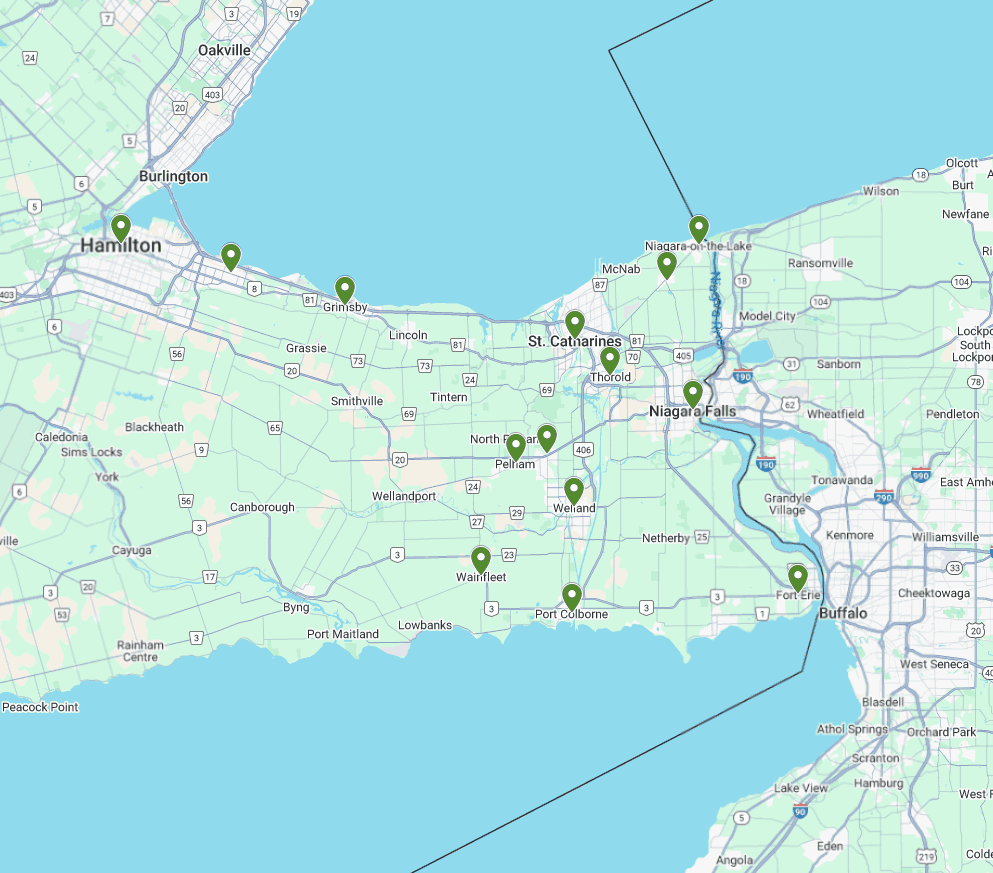
Our service areas encompass a wide range of locations, ensuring that we can meet the needs of our clients wherever they are. From bustling urban centers to serene rural landscapes, we are committed to providing top-notch services tailored to each unique environment.