



This boiler installation service in St Catharines, ON guides homeowners through selecting and properly installing high-efficiency boilers. It covers evaluating needs, sizing, permitting, installation steps, safety testing, and post-installation documentation. The approach minimizes disruption while ensuring code compliance, optimal performance, and long-term reliability. Maintenance and warranty considerations are describesd, along with realistic timelines and tips for preparing for a consultation. Clients gain clear expectations, professional support, and confidence that their new boiler delivers consistent comfort and reduced energy costs.
.jpeg)
Boiler Installation in St Catharines, ON
Upgrading or installing a boiler is one of the most important investments you can make in your home’s comfort, safety, and energy efficiency. In St Catharines, ON, where cold winters and older housing stock are common, a properly selected and professionally installed boiler ensures reliable heat, lower utility bills, and reduced risk of breakdowns during peak season. It describes the full boiler installation process, common issues we address in St Catharines homes, what the installation includes, and the maintenance and warranty considerations that protect your system long term.
Common boiler needs and signs you may need installation or replacement
- Frequent breakdowns and rising repair costs after many service calls
- Noticeably higher natural gas or energy bills with declining performance
- Rusted, leaking, or corroded boiler components and piping
- Inconsistent heat, cold radiators, or loud banging/knocking noises in the system
- Past-due lifespan: many boilers show reduced reliability after 15–20 years
- Safety concerns: pilot problems, persistent combustion odors, or CO alarms tied to appliance operation
In St Catharines, many homes have older hydronic systems or cast-iron radiators that require careful compatibility checks when upgrading to high-efficiency condensing boilers. Moist, cold winters mean timely replacement helps avoid freeze damage and emergency repairs.
Our boiler installation process in St Catharines, ON
The installation process is structured to minimize disruption while ensuring code compliance, safety, and peak performance.
Site assessment and needs analysis
- Inspect boiler room or installation location for clearance, floor support, and ventilation.
- Check piping, radiators/baseboards, radiators, pumps, expansion tank, and zone valves.
- Perform a heat-loss analysis for accurate sizing (not just matching the old unit).
- Review fuel supply (natural gas line pressure), electrical availability, and water quality.
- Identify required upgrades such as condensate drains, new venting, or zoning control upgrades.
Equipment selection and sizing
- Choose the right boiler type for your St Catharines home: modulating-condensing boilers for maximum efficiency, non-condensing where appropriate, or stainless-steel options for corrosive conditions.
- Size based on calculated heat loss, not simply square footage. Oversized boilers short-cycle; undersized units can’t keep up on the coldest days.
- Consider controls integration (outdoor reset, smart thermostats, zoning) and compatibility with existing hydronic distribution.
- Select boilers with appropriate AFUE ratings and manufacturer support for your needs.
Permitting and code compliance
- Ensure installation follows Ontario building code and local municipal requirements.
- Verify compliance with fuel appliance regulations and required inspections by the relevant provincial body.
- Proper venting, combustion air, and clearances are confirmed per code; all necessary permits and inspection documentation are prepared.
Step-by-step installation and commissioning
- Safe removal and disposal of the old boiler and associated components where applicable.
- Precise fitting of the new boiler, including secure gas connections, electrical wiring, proper venting or chimney adaptor, condensate drain, and flue assembly.
- Install or replace essential components: expansion tank, pressure relief valve, circulating pumps, backflow preventer, and necessary isolation valves.
- Fill, purge, and pressure-test the hydronic system to remove air and verify leak-free operation.
- Commission the system: set operating parameters, calibrate controls, and balance zones for even heat distribution.
System testing and safety verification
- Complete combustion checks and CO-level verification for safe operation.
- Gas line and pressure tests, leak detection, and verification of vent draft.
- Functional testing of safety devices such as low-water cutoffs, pressure relief valves, and automatic shutoffs.
- Final run-in with performance monitoring to confirm temperature stability and proper cycling.
Post-installation walkthrough and documentation
- Provide an in-home walkthrough explaining system operation, zone control operation, and routine checks you can perform.
- Deliver manufacturer warranty information and an installation/service report that documents serial numbers, settings, and maintenance recommendations.
- describes the recommended maintenance schedule and parts that may require periodic attention.
Warranty and maintenance recommendations
- Manufacturer warranties typically cover major components; installer workmanship or labor warranties vary. Keep your warranty documentation in a safe place and register the equipment per manufacturer instructions.
- Annual professional tune-ups preserve efficiency and catch minor problems before they become failures. Recommended maintenance includes combustion adjustment, system flushing as needed, verifying expansion tank charge, pump lubrication (if applicable), and inspection of venting and flue components.
- For hydronic systems in older St Catharines homes, periodic water treatment and system flushing prevent corrosion and extend component life.
Estimated timelines for boiler installation projects
- Initial site assessment and needs analysis: usually 1–2 hours on site.
- Straightforward direct replacement of like-for-like boiler: often completed in a single workday, assuming no permit delays and compatible venting/piping.
- Complex upgrades (new venting, fuel line changes, hydronic distribution modifications, or zoning installations): may take several days to a week depending on scope and permitting.
- Permitting and municipal inspection timelines can vary; plan installations outside of the coldest weeks to reduce risk of disruption.
Why timely, professional installation matters in St Catharines
A correctly chosen and installed boiler reduces fuel consumption, improves comfort during cold snaps, and lowers the risk of mid-winter failures that can lead to costly emergency repairs or freeze damage. Local installers familiar with St Catharines building characteristics and municipal requirements ensure proper venting, combustion air, and compliance with provincial rules—critical for safety and long-term reliability.
What to prepare for a consultation
During a professional consultation, prepare to show existing equipment, provide service records if available, and note specific comfort issues or rooms that are underheated. Clear access to the boiler room, utility area, and exterior venting area speeds the assessment and helps produce accurate equipment recommendations.
A professional, code-conscious installation tailored to St Catharines homes will deliver safer, more efficient heating, better comfort control, and peace of mind for years to come. Maintain regular servicing and follow manufacturer guidance to protect your investment and get the best performance from your new boiler system.

Customer Testimonials

I called John today at 2:pm as my AC was not working and I wasn’t expecting even a call back as I knew with this hot weather we have had he would be swamped with calls. Well he called me back and showed at 8:pm on the same day to fix my AC. That is just incredible service and how much John really cares about his clients. Thank you John !

I have used Niagara Home heating for multiple projects for over 16 years. John and his staff are absolutely the best. I tell all my friends and family about Niagara Home Heating because you won’t get any better service or pricing anywhere in Niagara. He has saved me thousands and thousands of dollars and has never let me down.
We had an amazing experience getting our new furnace installed with Niagara Home Heating. The owner was very helpful, their quote was more then competitive and the technician who installed the unit was professional and friendly. I would recommend their services.
Lifesavers!! The AC in our house decided to quit the day we were passing the keys to the new owners!! Instead of making a service call to the house, John coached me through the minor repair over the phone, saving me the money and time waiting for a repair person to come.Much appreciated! Thanks again John
I had an issue with my hot water tank and called Niagara Home Heating. Their service was fantastic and reasonably priced—exactly how a business should be run!
Very efficient company. I needed an old solar water heater removed from my roof. They were quick to book an appointment for the next day after I sent photos. They were very knowledgeable of the issue. The 2 guys that came were friendly and competent with the job, including removal of all parts.

Service Areas
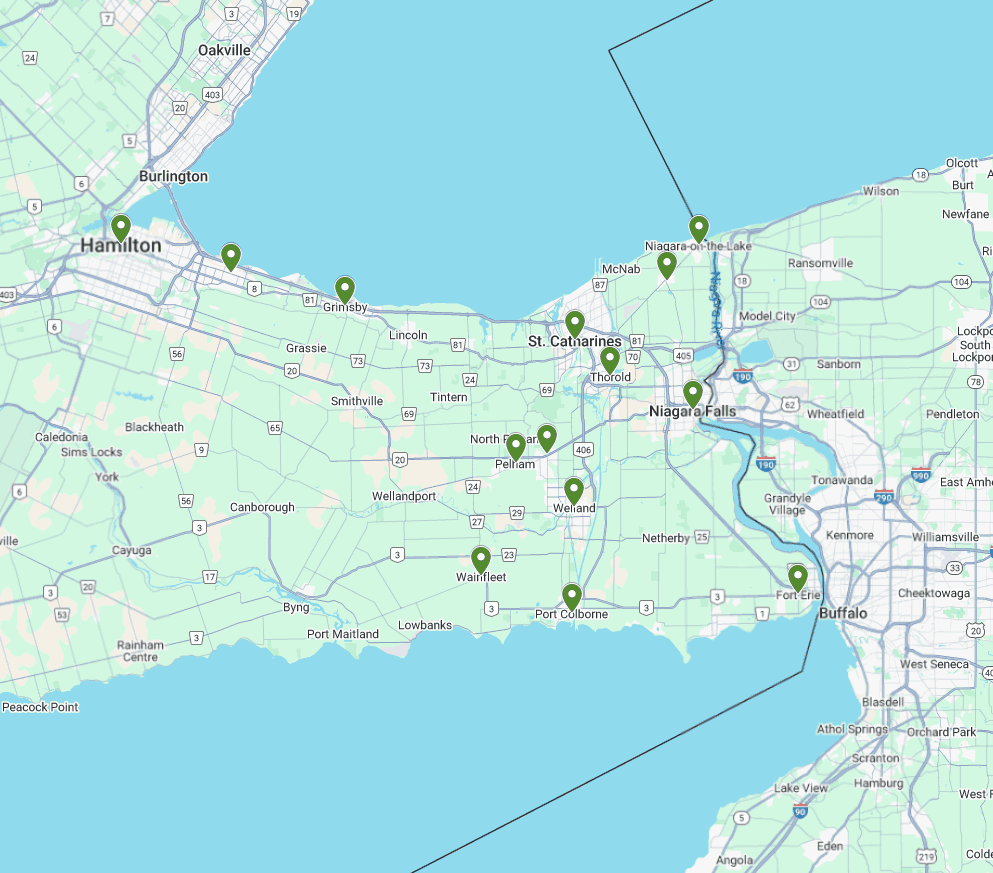
Our service areas encompass a wide range of locations, ensuring that we can meet the needs of our clients wherever they are. From bustling urban centers to serene rural landscapes, we are committed to providing top-notch services tailored to each unique environment.