



It describes planned boiler maintenance in St Catharines, ON, detailing what a routine visit covers, recommended service intervals, and the long-term value for homeowners. Emphasizing safety, efficiency, and reliability, it describes common local issues, what to expect during a visit, and the benefits of maintenance plans. Readers learn about diagnostic steps, tune-ups, and documentation that supports warranties, energy savings, and fewer mid-season breakdowns through proactive scheduling before the heating season. It highlights how service plans protect comfort and investment.
-min.jpeg)
Boiler Maintenance in St Catharines, ON
Keeping your boiler well maintained is one of the most effective ways to protect comfort, reduce heating costs, and avoid mid-winter breakdowns in St Catharines, ON. With cold, lake-effect winters and many older homes using hydronic systems and cast-iron boilers, planned boiler maintenance is essential. It describes what routine boiler maintenance includes, common local issues, recommended service intervals, what to expect during a visit, the benefits of preventative upkeep, and how maintenance agreements typically work.
Why planned boiler maintenance matters in St Catharines
St Catharines’ winter weather places steady demand on heating systems. Regular maintenance:
- Preserves fuel efficiency so your system uses less natural gas or oil during long heating seasons.
- Reduces the risk of unexpected failures when temperatures drop.
- Helps prevent safety issues such as combustion inefficiency and carbon monoxide risk.
- Extends the life of boilers and associated components commonly found in Niagara Region homes.
Common boiler problems in St Catharines homes
Frequent issues we see locally include:
- Reduced efficiency from dirty burners or clogged heat exchange surfaces.
- Low or fluctuating system pressure, often caused by leaks or failed pressure relief valves.
- Corrosion and scale buildup (hard water areas accelerate mineral deposits).
- Malfunctioning zone valves, thermostats, or controls after heavy seasonal cycling.
- Ignition problems or delayed ignition in older oil and gas burners.
- Radiator cold spots due to trapped air or poor circulation in hydronic loops.
What a planned boiler maintenance visit includes
A comprehensive service focuses on safety, efficiency, and reliability. Typical planned maintenance tasks:
- Combustion analysis to confirm proper fuel/air mix and safe burner operation.
- Burner inspection and cleaning to remove soot and deposits that reduce heat transfer.
- Pressure and expansion checks to ensure the system maintains correct water pressure and expansion tank function.
- Valve and control inspection including zone valves, relief valves, and thermostatic controls.
- Leak checks across piping, joints, radiators, and fittings.
- Heat exchanger and flue inspection for signs of corrosion, cracks, or blockages.
- Pump and circulation checks to verify flow rates, listen for bearing noise, and test electrical connections.
- Safety device tests such as low-water cutoffs, pressure relief valves, and combustion safety interlocks.
- System cleaning and bleed where required to eliminate trapped air and improve heat distribution.
- A written summary of findings, recommended repairs, and efficiency observations.
Diagnostic and service process — explained plainly
Technicians start with a visual and audible inspection, looking for leaks, corrosion, and unusual noises. They measure system pressure and temperature, then perform a combustion test to ensure the burner is operating cleanly. If deposits are present, the burner and accessible heat surfaces are cleaned. Controls and safety devices are tested and adjusted. Finally, the system is run through a full heating cycle to confirm stable operation and even heat delivery to all zones.
Recommended service intervals
- Annual comprehensive inspection and tune-up is the industry standard for most residential and light commercial boilers.
- Older systems, high-use commercial boilers, or boilers with a history of issues may require biannual checks.
- Systems in areas with hard water should have water quality and system treatment reviewed at least yearly to avoid scale and corrosion.
Boiler maintenance plans and agreements
Maintenance agreements are designed to make upkeep predictable and to reduce the likelihood of emergency repairs. Typical features include:
- Scheduled annual (or biannual) visits timed before the heating season.
- Priority booking windows during winter months.
- A checklist of included tasks (combustion analysis, burner cleaning, safety tests, etc.).
- Record keeping with service tags or logs for warranty and resale value.
- Optional add-ons like water treatment, extended parts discounts, or seasonal inspections for multi-family and commercial systems.
Signing a maintenance agreement usually involves selecting the level of coverage (basic safety check versus full tune-up and cleaning), agreeing on timing (pre-season visit), and setting up recurring appointments. The agreement clarifies what’s included and documents system condition over time.
What homeowners can expect during a visit
- A professional arrival with protective shoe covers and respect for the home environment.
- A walk-through to discuss any recent problems or hot/cold areas.
- Step-by-step checks and tests performed on the boiler and controls.
- Clear documentation of findings and any recommended repairs, with explanations of why they matter.
- Advice on simple homeowner tasks to improve longevity, such as checking expansion tank pressure or watching for minor leaks.
Benefits of regular maintenance — long term value
- Improved energy efficiency, which lowers monthly heating costs in a cold St Catharines winter.
- Greater system reliability and fewer emergency repairs during peak demand.
- Extended equipment life and better resale value for homes with documented service history.
- Safer operation through proactive detection of combustion or pressure issues.
- Preservation of manufacturer warranties that often require annual servicing.
Maintenance tips tailored to St Catharines homes
- Schedule service before November to ensure your boiler is ready for extended cold spells and lake-effect weather.
- For older hydronic systems, consider checking radiator vents and balancing zones after an annual service.
- If your home uses municipal or well water with higher mineral content, discuss in-system water treatment to minimize scale.
- Keep the boiler area clear and accessible; restricted airflow and clutter can increase the risk of overheating and complicate servicing.
Planned boiler maintenance protects comfort and investment in the climate and housing stock common to St Catharines. Annual inspections, combustion tuning, pressure and valve checks, and a documented service history are practical steps that deliver measurable benefits in safety, efficiency, and long-term reliability.

Customer Testimonials

I called John today at 2:pm as my AC was not working and I wasn’t expecting even a call back as I knew with this hot weather we have had he would be swamped with calls. Well he called me back and showed at 8:pm on the same day to fix my AC. That is just incredible service and how much John really cares about his clients. Thank you John !

Very efficient company. I needed an old solar water heater removed from my roof. They were quick to book an appointment for the next day after I sent photos. They were very knowledgeable of the issue. The 2 guys that came were friendly and competent with the job, including removal of all parts.
We had an amazing experience getting our new furnace installed with Niagara Home Heating. The owner was very helpful, their quote was more then competitive and the technician who installed the unit was professional and friendly. I would recommend their services.
I had an issue with my hot water tank and called Niagara Home Heating. Their service was fantastic and reasonably priced—exactly how a business should be run!
Lifesavers!! The AC in our house decided to quit the day we were passing the keys to the new owners!! Instead of making a service call to the house, John coached me through the minor repair over the phone, saving me the money and time waiting for a repair person to come.Much appreciated! Thanks again John
I have used Niagara Home heating for multiple projects for over 16 years. John and his staff are absolutely the best. I tell all my friends and family about Niagara Home Heating because you won’t get any better service or pricing anywhere in Niagara. He has saved me thousands and thousands of dollars and has never let me down.

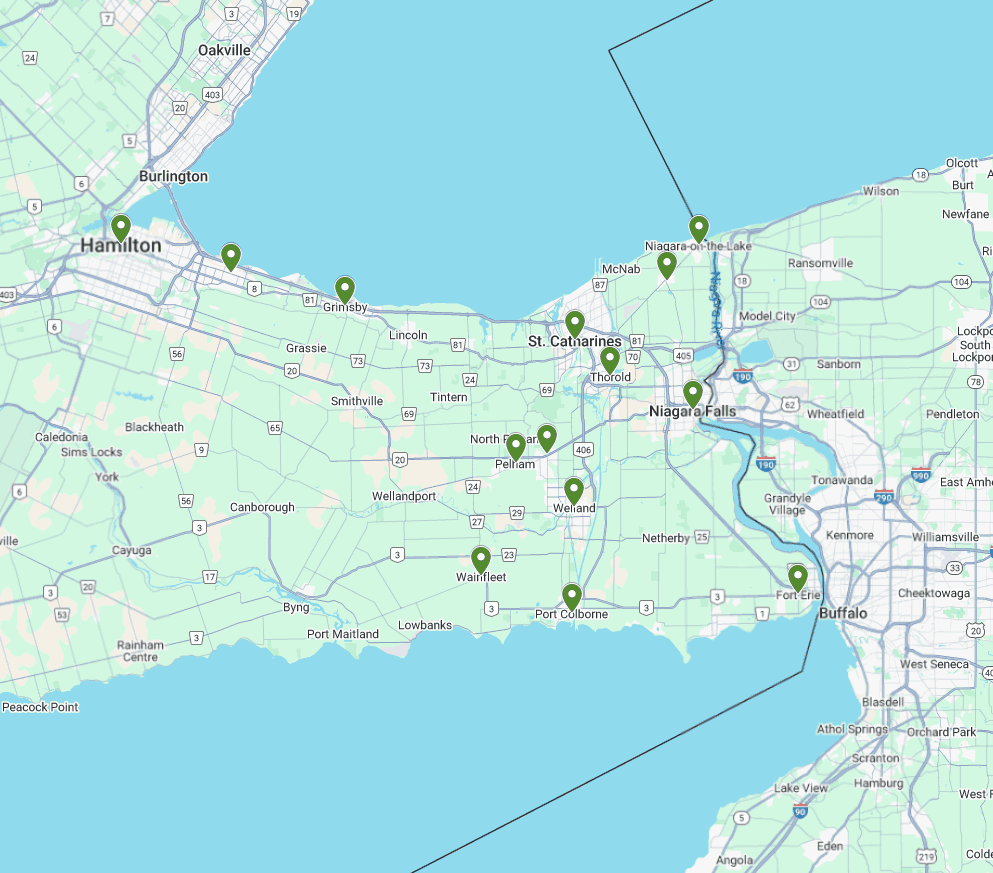
Service Areas
Our service areas encompass a wide range of locations, ensuring that we can meet the needs of our clients wherever they are. From bustling urban centers to serene rural landscapes, we are committed to providing top-notch services tailored to each unique environment.