



This page provides a comprehensive guide to boiler replacement in St Catharines, ON. It describes when replacement is cost-effective, compares common boiler types and efficiency ratings, and describess sizing, removal, and installation steps. Readers learn how permits, rebates, and local incentives affect projects, plus expected timelines and maintenance benefits. The content emphasizes professional heat-loss assessment, selecting high-efficiency units, and ensuring proper venting, controls, and commissioning to maximize comfort, reliability, and long-term savings in Niagara’s winter conditions.
.jpeg)
Boiler Replacement in St Catharines, ON
Replacing a boiler is one of the most important home investments for St Catharines homeowners—especially with our long heating season, lake-effect cold snaps, and older housing stock with hydronic systems. A correctly specified, high-efficiency boiler improves comfort, reduces fuel bills, and lowers maintenance headaches. This guide explains the signs you need a replacement, how systems compare, what to expect during removal and installation, and the local factors that affect sizing, permits, rebates, and long-term savings in St Catharines, ON.
Signs you need a boiler replacement
Watch for these common indicators that replacement may be the most cost-effective choice rather than repeated repairs:
- Frequent breakdowns or rising repair bills on units over 10–15 years old.
- Yellow or irregular pilot flame, or persistent carbon monoxide alarms, indicating combustion problems.
- Uneven heating or cold spots even after bleeding radiators or balancing zones.
- Rising fuel bills with no change in usage or thermostat settings.
- Rust, corrosion, or leaks around the heat exchanger, pipes, or near the boiler base.
- Noisy operation such as kettling or banging that points to scale or failing components.
- Inability to meet domestic hot water demand for homes with combined systems.
Common boiler types and efficiency ratings
Understanding the options helps homeowners match the right system to their needs:
- Conventional hot-water boilers (natural gas or propane): Reliable for hydronic baseboard and radiator systems. Modern condensing versions recover heat from exhaust gases and deliver much higher efficiency.
- Combi (combination) boilers: Provide space heating and on-demand domestic hot water without a separate water heater—useful in smaller homes or where space is at a premium.
- High-efficiency condensing boilers: Use modulating burners and stainless-steel or aluminum heat exchangers to reach high AFUE ratings. Best choice where venting and condensate drainage can be accommodated.
- Cast-iron vs. stainless-steel heat exchangers: Cast iron is durable for low-temperature systems and older radiators; stainless or aluminum alloys are common in high-efficiency condensing units.
- Controls and modulation: Variable firing and outdoor reset controls improve comfort and fuel economy by matching boiler output to real demand.
When evaluating models, look at AFUE or manufacturer efficiency figures and whether the system is condensing. In St Catharines, higher-efficiency boilers can deliver noticeably lower fuel usage across our long heating season.
Sizing and load calculations
Proper sizing prevents short-cycling, reduces wear, and delivers comfort. Key factors in a heat-loss calculation include:
- Home square footage, ceiling heights, and insulation levels.
- Window types and orientation (lake-effect winds can increase losses on windward walls).
- Basement and attic insulation, slab-on-grade exposure, and air infiltration rates.
- Existing radiator or baseboard output and distribution losses.
A professional heat-loss (Manual J or equivalent) and radiation calculation ensures the new boiler matches both the building load and the distribution system. Oversized boilers cost more and cycle inefficiently; undersized units fail to keep up on the coldest days.
Removal and disposal of old units
Safe removal includes:
Permits and fuel disconnection approvals from local authorities are often required; ensure installers follow Niagara Region and City of St Catharines codes.
Replacement installation process and timeline
Typical installation stages:
- Pre-install assessment and system design, including venting, condensate routing, and controls.
- Permit application and any gas-line or chimney modifications.
- Removal of the old unit and preparation of the area (possible upgrades to piping, expansion tanks, or controls).
- Mounting and connecting the new boiler, setting up venting and condensate drains.
- Commissioning: filling, purging air, pressure testing, and balancing zones.
- Safety and efficiency testing, plus customer orientation on operation.
Most straight-forward residential replacements take a few days from removal to commissioning; complex re-pipes, vent changes, or asbestos remediation extend timelines.
Brands and warranties
Reputable boilers available in Canada include a range of manufacturers offering condensing and conventional models. Manufacturers typically offer standard warranties on heat exchangers and parts, with optional extended warranties or service plans. Warranty terms vary by brand and model—review coverage for heat exchangers, control boards, and labor options when comparing units.
Financing, rebates and local incentives
Homeowners in St Catharines can often combine manufacturer financing options, contractor financing plans, and government or utility incentives for high-efficiency equipment. Provincial and federal energy programs periodically offer rebates for upgrading to high-efficiency boilers or for whole-home retrofits. Local utility providers and the federal Greener Homes-type programs may also provide incentives for qualifying installations and energy assessments.
Expected cost breakdown (what affects the investment)
Instead of a flat price, replacement projects typically include these cost components:
- Equipment: boiler, controls, and any new pumps or expansion tanks.
- Labor: removal, installation, piping, venting, and commissioning.
- Materials: piping, fittings, venting, condensate drains, valves, and controls.
- Site work: chimney or vent modifications, concrete pads, or access work.
- Permits and inspections.
- Disposal and any hazardous-material remediation.
- Optional upgrades: zoning, outdoor reset controls, or conversion to condensing systems.
Complex jobs—such as changing fuel type, replacing cast-iron radiators, or extensive re-piping—drive up cost due to added materials and labor.
Energy savings estimates and payback
Upgrading from an older non-condensing boiler to a modern condensing model commonly reduces fuel consumption by a noticeable percentage depending on thermostat settings, usage patterns, and insulation. Savings are greater when paired with system controls (outdoor reset, zoning) and when the hydronic distribution runs at lower water temperatures. Realized payback depends on current fuel prices, annual hours of operation, and the scope of accompanying efficiency measures.
Maintenance and long-term benefits
A new, properly sized boiler delivers:
- Improved comfort and more even heat distribution.
- Lower annual fuel costs and reduced emissions.
- Fewer emergency repairs and longer service life when maintained.
- Better control of domestic hot water when using combi or integrated designs.
Routine annual servicing, system flushing and water treatment where needed, and proper commissioning are essential to preserve efficiency and warranties.
ConclusionBoiler replacement in St Catharines, ON, is a decision best based on a professional heat-loss assessment, careful selection of system type and controls, and a full understanding of the removal, installation, and local permitting landscape. Matching the right high-efficiency unit to your home’s distribution system and taking advantage of available incentives delivers reliable warmth, lower operating costs, and peace of mind through Niagara’s demanding winters.

Customer Testimonials

I have used Niagara Home heating for multiple projects for over 16 years. John and his staff are absolutely the best. I tell all my friends and family about Niagara Home Heating because you won’t get any better service or pricing anywhere in Niagara. He has saved me thousands and thousands of dollars and has never let me down.

I called John today at 2:pm as my AC was not working and I wasn’t expecting even a call back as I knew with this hot weather we have had he would be swamped with calls. Well he called me back and showed at 8:pm on the same day to fix my AC. That is just incredible service and how much John really cares about his clients. Thank you John !
I had an issue with my hot water tank and called Niagara Home Heating. Their service was fantastic and reasonably priced—exactly how a business should be run!
Very efficient company. I needed an old solar water heater removed from my roof. They were quick to book an appointment for the next day after I sent photos. They were very knowledgeable of the issue. The 2 guys that came were friendly and competent with the job, including removal of all parts.
Lifesavers!! The AC in our house decided to quit the day we were passing the keys to the new owners!! Instead of making a service call to the house, John coached me through the minor repair over the phone, saving me the money and time waiting for a repair person to come.Much appreciated! Thanks again John
We had an amazing experience getting our new furnace installed with Niagara Home Heating. The owner was very helpful, their quote was more then competitive and the technician who installed the unit was professional and friendly. I would recommend their services.

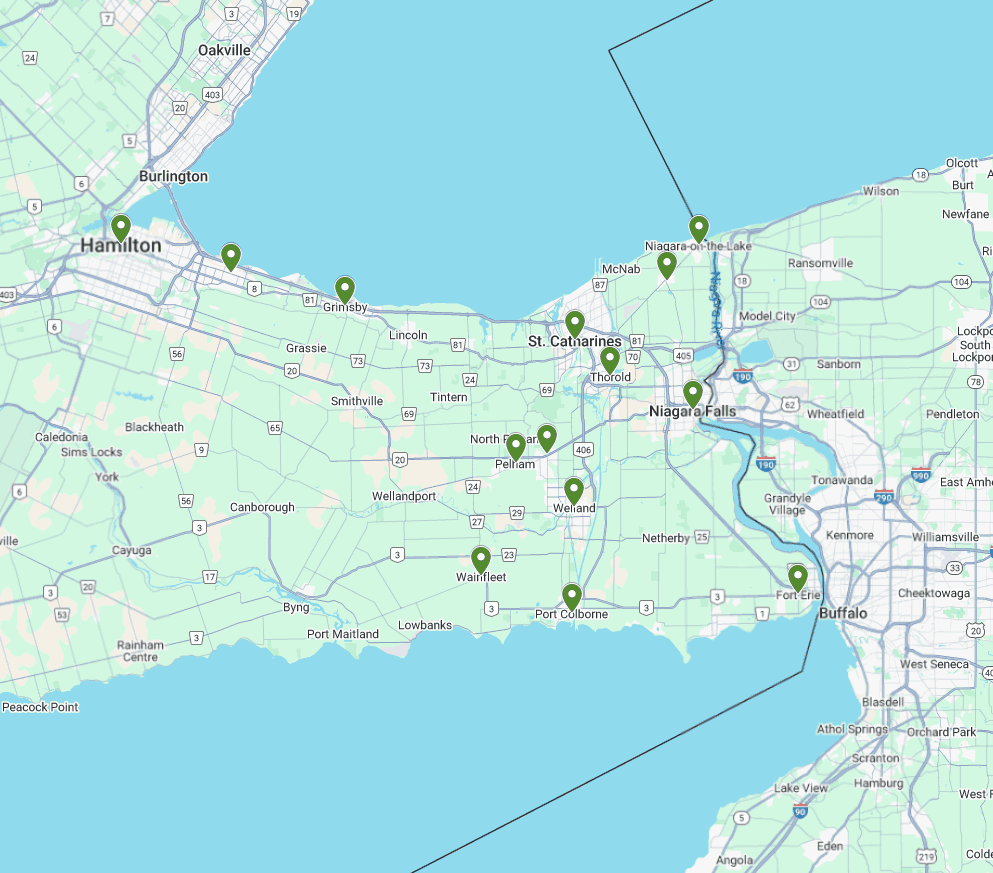
Service Areas
Our service areas encompass a wide range of locations, ensuring that we can meet the needs of our clients wherever they are. From bustling urban centers to serene rural landscapes, we are committed to providing top-notch services tailored to each unique environment.