



This page presents a comprehensive boiler installation guide for Stoney Creek, ON, detailing the full process from pre-installation surveys to post-installation checks. It emphasizes accurate load calculations, proper venting, code compliance, and system commissioning to prevent oversizing, leaks, and performance issues. It describess common boiler types, site surveys, testing procedures, and safety considerations, and highlights long-term benefits such as energy efficiency, reduced downtime, and reliable comfort. Readers gain clear expectations, maintenance tips, and guidance for choosing a qualified installer.
.jpeg)
Boiler Installation in Stoney Creek, ON
Replacing or installing a boiler is one of the most important investments for homes in Stoney Creek, ON. Winters here can be long and cold, and many local properties—older detached homes, bungalows with basements, and houses with radiant floors or cast-iron radiators—depend on reliable hydronic heating. A proper new boiler installation delivers consistent comfort, lower seasonal fuel costs, and fewer emergency breakdowns. It describes the full installation process, common options, code and venting considerations, testing and commissioning practices, and what to expect after the job is finished.
Why proper boiler installation matters in Stoney Creek homes
- Stoney Creek’s cold winters increase runtime and heat demand; undersized systems lead to short cycling and higher fuel use.
- Many area homes have older chimneys and existing radiator or in-floor systems that require careful integration.
- Modern condensing boilers perform best when matched to accurate load calculations and correctly sized piping and controls.
Common boiler types recommended for Stoney Creek
- Condensing boilers (high efficiency): Best for most homes where return water temperatures are low enough to capture latent heat from flue gases. They reduce fuel consumption and lower emissions.
- Combi boilers (combination): Provide space heating and on-demand domestic hot water in a compact unit—ideal for smaller homes or where space is limited.
- Conventional (non-condensing) boilers: Still used in certain retrofit scenarios, especially when existing high-temperature radiator systems are in place and chimney venting is preferred.
- Modulating-condensing boilers: Combine modulation for better part-load efficiency with condensing technology—useful for homes with variable heating loads.
Pre-installation site survey and load calculations
A thorough pre-installation survey is the foundation of a reliable installation:
- Inspect the existing heating system layout: radiators, baseboards, in-floor tubing, boiler room access, and chimney condition.
- Perform Manual J style heat loss calculations (or equivalent) to determine the correct boiler capacity—this prevents oversizing that wastes energy and undersizing that causes poor comfort.
- Evaluate fuel type (natural gas, propane, oil) and gas line capacity. Confirm venting options and clearances based on the chosen boiler type.
- Check basement ventilation, condensate drainage options, and available space for installation and service access.
- Assess water quality and recommend filtration or corrosion inhibitors if scale or corrosive water could shorten equipment life.
Venting, flues, and code compliance in Ontario
Venting and regulatory compliance are critical:
- Installations must comply with the Ontario Building Code and be aligned with Technical Standards and Safety Authority (TSSA) requirements for fuel-burning appliances. Permits and inspections may be required depending on the municipality.
- Older chimneys often need a liner or conversion to an approved stainless steel or Category III/IV direct vent system for condensing or high-efficiency boilers.
- Condensing boilers require proper condensate neutralization and drainage; routing must meet local plumbing codes.
- Clearances, combustion air, and flue sizing are checked and documented as part of the installation to ensure safe operation.
Professional installation procedures (what happens on install day)
A methodical installation reduces surprises and future service issues:
Testing, commissioning, and quality checks
Commissioning verifies the system performs as intended:
- Pressure and leak tests on the boiler loop and fuel connections.
- Combustion analysis on gas-fired units to confirm burner efficiency, CO levels, and proper draft.
- Verify boiler modulation and cycle behavior, confirm correct pump operation, zone valve sequencing, and thermostat communication.
- Balance radiators or hydronic circuits to achieve even heat distribution.
- Demonstrate safe venting, confirm condensate drains, and document final settings.
Post-installation walkthrough and documentation
At completion the installer should:
- Walk you through boiler operation, thermostat settings, seasonal mode changes, and basic troubleshooting tips.
- Leave manufacturer manuals, parts lists, and commissioning records (combustion report, pressures, and final settings).
- Explain warranty coverage: manufacturer’s parts warranty and any installer labor warranty, along with registration steps to activate coverage.
- Provide a recommended maintenance schedule, typically annual inspections and tune-ups before heavy heating season.
Long-term benefits and maintenance tips for Stoney Creek homeowners
- Modern boilers reduce fuel consumption, lower monthly heating bills, and provide quieter, more even home comfort—especially beneficial during Stoney Creek’s winter months.
- Regular annual servicing prevents common issues: blocked condensate lines, pump failures, corrosion, and scale buildup.
- Simple homeowner checks: monitor system pressure (typically 12–15 psi for many residential systems), listen for unusual noises, and report radiator cold spots or visible leaks promptly.
- Consider water treatment or power flushing in systems with significant corrosion or sludge to extend components’ life and maintain efficiency.
A properly planned and executed boiler installation tailored to Stoney Creek homes combines accurate load sizing, compliant venting, professional commissioning, and follow-up maintenance. The result is dependable warmth through the cold months, improved energy efficiency, and peace of mind knowing your hydronic system is installed to current safety and performance standards.

Customer Testimonials

I have used Niagara Home heating for multiple projects for over 16 years. John and his staff are absolutely the best. I tell all my friends and family about Niagara Home Heating because you won’t get any better service or pricing anywhere in Niagara. He has saved me thousands and thousands of dollars and has never let me down.

I called John today at 2:pm as my AC was not working and I wasn’t expecting even a call back as I knew with this hot weather we have had he would be swamped with calls. Well he called me back and showed at 8:pm on the same day to fix my AC. That is just incredible service and how much John really cares about his clients. Thank you John !
Lifesavers!! The AC in our house decided to quit the day we were passing the keys to the new owners!! Instead of making a service call to the house, John coached me through the minor repair over the phone, saving me the money and time waiting for a repair person to come.Much appreciated! Thanks again John
I had an issue with my hot water tank and called Niagara Home Heating. Their service was fantastic and reasonably priced—exactly how a business should be run!
Very efficient company. I needed an old solar water heater removed from my roof. They were quick to book an appointment for the next day after I sent photos. They were very knowledgeable of the issue. The 2 guys that came were friendly and competent with the job, including removal of all parts.
We had an amazing experience getting our new furnace installed with Niagara Home Heating. The owner was very helpful, their quote was more then competitive and the technician who installed the unit was professional and friendly. I would recommend their services.

Service Areas
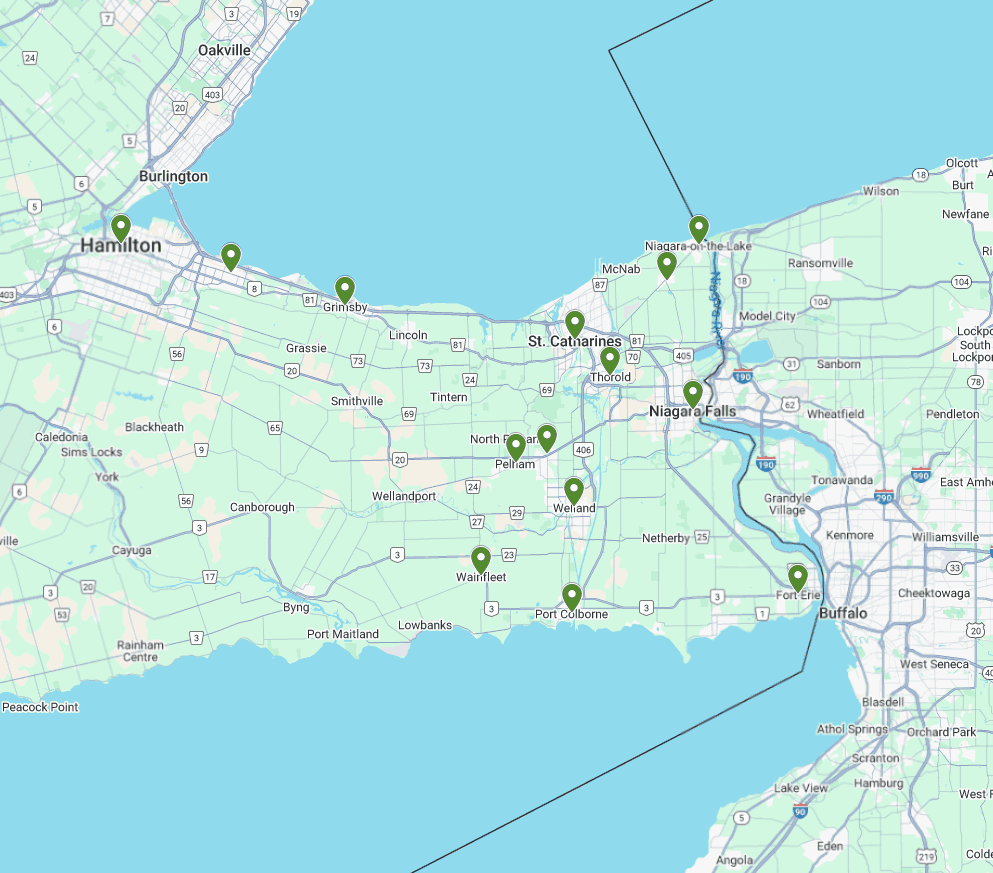
Our service areas encompass a wide range of locations, ensuring that we can meet the needs of our clients wherever they are. From bustling urban centers to serene rural landscapes, we are committed to providing top-notch services tailored to each unique environment.