



Boiler replacement in Stoney Creek, ON offers a reliable upgrade for comfort, safety, and long-term energy savings. This service covers a full range of options—from equal-for-like swaps to high-efficiency condensing models and oil-to-gas conversions—backed by on-site assessments and precise sizing to prevent short-cycling. Upgrading further includes modern controls, zoning, and compatibility with heat pumps. Customers benefit from improved warmth, potential rebates, and clear timelines, with professional installation and post-installation maintenance guidance. A thorough assessment ensures correct sizing and dependable performance.
.jpeg)
Boiler Replacement in Stoney Creek, ON
Replacing an aging boiler is one of the most impactful upgrades you can make for comfort, safety, and long-term energy savings in Stoney Creek homes. Winters here are cold with lake-influenced conditions that demand dependable, evenly distributed heat. If your boiler is more than 15 years old, costing more to operate, or experiencing frequent breakdowns, a full boiler replacement can restore reliable heat, reduce utility bills, and improve indoor comfort across older and newer homes alike.
Common boiler problems that lead to replacement
Homeowners in Stoney Creek commonly choose replacement when they face recurring issues such as:
- Frequent breakdowns or expensive repairs on old equipment
- Rising fuel and electricity bills from reduced efficiency
- Uneven heat, short-cycling, or long warm-up times in cold weather
- Persistent leaks, corrosion, or pressure-loss in the system
- Noisy operation, failed ignition, or pilot issues
- Concerns about carbon monoxide or outdated venting and safety controls
Recognizing these signs early prevents emergency failures during cold snaps and helps plan a replacement on your schedule.
Types of boiler replacement services available in Stoney Creek
- Full boiler replacement (like-for-like swap) for gas, propane, oil, or electric systems
- Upgrades to high-efficiency condensing boilers to maximize savings in Ontario’s heating season
- Conversion projects (for example, oil-to-gas conversions where municipal gas is available)
- Combination (combi) boiler installations for space heating plus domestic hot water in compact homes
- System modernization: new controls, thermostatic zoning, or integration with heat pumps and smart thermostats
Thorough system assessment and proper sizing
A reliable replacement begins with a detailed on-site assessment. Key steps include:
- Performing a heat-loss calculation to determine correct boiler capacity and avoid oversizing or undersizing. Proper sizing reduces short-cycling and improves lifespan.
- Inspecting existing radiators, baseboards, piping, and venting for compatibility with a new unit. Older radiators may limit the efficiency gains unless paired correctly.
- Verifying fuel supply, gas line capacity, or required oil storage updates.
- Checking electrical requirements, flue/chimney condition, and clearances required by local code
This assessment ensures the selected model matches your home’s heating demand and layout, so you get reliable, efficient performance through Stoney Creek’s cold months.
Choosing energy-efficient boilers and models
When selecting a new boiler in Stoney Creek, focus on features that deliver lasting value:
- Modulating-condensing technology: extracts more heat from combustion and raises seasonal efficiency.
- High AFUE ratings and compatibility with low-temperature systems for maximum fuel savings.
- Stainless steel or advanced heat exchangers for longer life in wet-return systems common in older homes.
- Built-in controls or compatibility with zoning and diagnostics to optimize operation and reduce cycling.
- Combi options for homes where space is limited and domestic hot water demand is moderate
Energy-efficient boilers not only lower bills but may qualify for rebates or incentives available through federal or provincial energy programs and manufacturer offers.
Removal, disposal, and environmental compliance
Safe removal of the old boiler is critical:
- The system is drained and disconnected following safety protocols for gas, oil, and electricity.
- Fuel lines and combustion components are capped or removed to code.
- Old equipment is disposed of in compliance with provincial regulations; recyclable components and proper handling of residual oil or contaminants are prioritized.
- Older installations are checked for asbestos or hazardous materials; if present, specialized abatement is arranged.
Proper disposal avoids future liability and ensures the replacement meets current environmental and safety standards.
Typical installation steps and expected timeline
While every project is unique, a standard replacement process usually follows:
Simple like-for-like replacements in single-family homes are often completed within 1–3 days. More complex conversions, extensive pipework, or upgrades to domestic hot water systems can extend the timeline.
What affects the cost of boiler replacement
Costs vary with several factors:
- Boiler type and efficiency level chosen (basic vs advanced modulating-condensing units)
- Extent of required pipework, radiator modifications, or venting upgrades
- Whether you are converting fuel types (which may require new fuel lines or storage)
- Need for new controls, zoning, or integration with domestic hot water systems
- Permit, inspection, and disposal requirements in Niagara Region
Because each home’s needs differ, expect cost estimates to be provided after an on-site assessment that accounts for these variables.
Rebates, financing, and warranty information
- There are federal and provincial energy-efficiency incentives and occasional manufacturer rebates for high-efficiency heating systems. Eligibility depends on the model installed and documentation from a registered installer.
- Financing options are commonly available through equipment manufacturers or third-party lenders to spread payments over time.
- Warranty structure typically includes a manufacturer warranty for key components (heat exchanger and controls) and a separate labour warranty for installation work. Registered installations and proper commissioning are often required to validate long-term equipment warranties.
Confirm the exact terms and registration requirements before equipment purchase to protect your coverage.
Post-installation benefits and maintenance tips
A modern, properly sized boiler delivers:
- More consistent comfort through Stoney Creek’s cold season and improved system responsiveness
- Lower energy bills and reduced carbon footprint with high-efficiency models
- Fewer emergency repairs and longer system life with correct installation and commissioning
To protect your investment:
- Schedule annual servicing to check combustion, water chemistry, pressure, and controls
- Keep venting and intake areas clear in winter to avoid blockages from snow or debris
- Monitor system pressure and bleed radiators as needed for balanced heat distribution
Replacing a boiler is a significant decision for Stoney Creek homeowners. With careful assessment, the right energy-efficient equipment, and professional installation, a new boiler provides dependable warmth, improved efficiency, and peace of mind through every winter.

Customer Testimonials

Very efficient company. I needed an old solar water heater removed from my roof. They were quick to book an appointment for the next day after I sent photos. They were very knowledgeable of the issue. The 2 guys that came were friendly and competent with the job, including removal of all parts.

I called John today at 2:pm as my AC was not working and I wasn’t expecting even a call back as I knew with this hot weather we have had he would be swamped with calls. Well he called me back and showed at 8:pm on the same day to fix my AC. That is just incredible service and how much John really cares about his clients. Thank you John !
I have used Niagara Home heating for multiple projects for over 16 years. John and his staff are absolutely the best. I tell all my friends and family about Niagara Home Heating because you won’t get any better service or pricing anywhere in Niagara. He has saved me thousands and thousands of dollars and has never let me down.
We had an amazing experience getting our new furnace installed with Niagara Home Heating. The owner was very helpful, their quote was more then competitive and the technician who installed the unit was professional and friendly. I would recommend their services.
Lifesavers!! The AC in our house decided to quit the day we were passing the keys to the new owners!! Instead of making a service call to the house, John coached me through the minor repair over the phone, saving me the money and time waiting for a repair person to come.Much appreciated! Thanks again John
I had an issue with my hot water tank and called Niagara Home Heating. Their service was fantastic and reasonably priced—exactly how a business should be run!

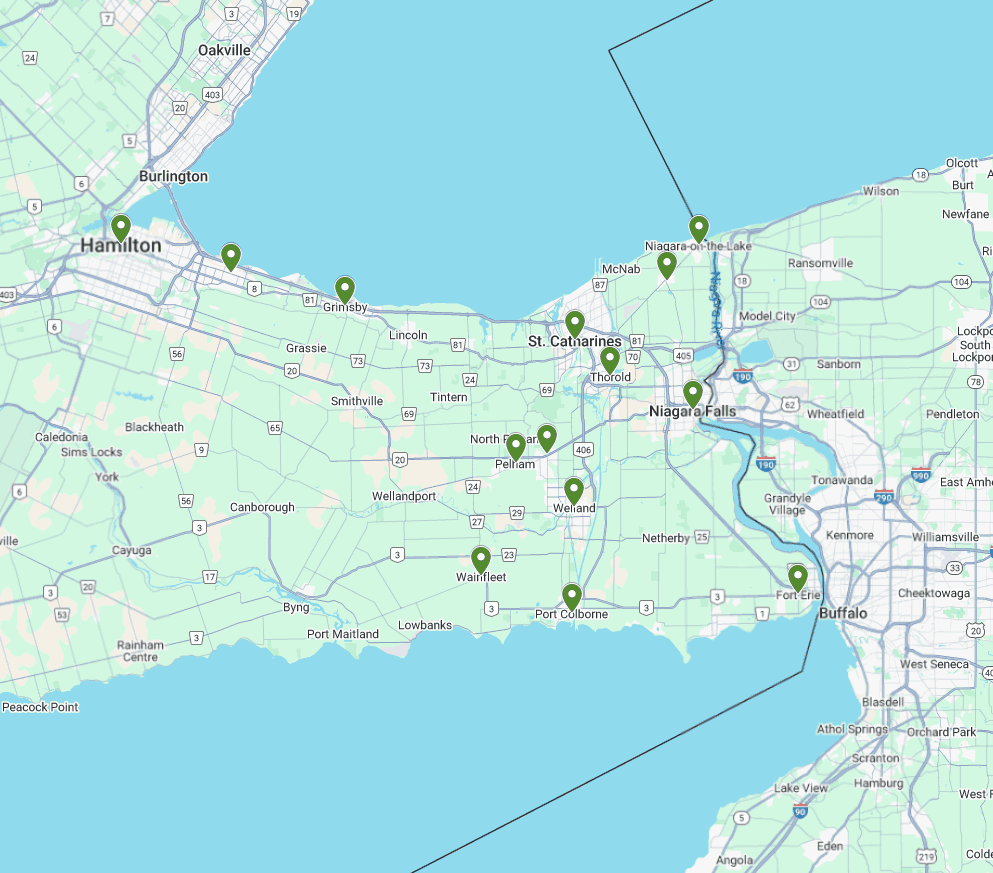
Service Areas
Our service areas encompass a wide range of locations, ensuring that we can meet the needs of our clients wherever they are. From bustling urban centers to serene rural landscapes, we are committed to providing top-notch services tailored to each unique environment.