



Boiler Repair in Stoney Creek, ON provides fast, accurate diagnostics and durable repairs for residential and commercial systems. The service covers symptom identification, on-site troubleshooting, and targeted replacements to minimize downtime and extend equipment life. Technicians assess safety, gas and combustion, controls, and hydronic systems, then recommend transparent repair or replacement options. With emergency response, preventive maintenance guidance, and warranty considerations, this service aims to restore heat quickly while maximizing safety and long-term reliability in challenging winter conditions.
.jpeg)
Boiler Repair in Stoney Creek, ON
When your boiler fails, the cold in Stoney Creek winters can make the problem urgent. Boiler Repair in Stoney Creek, ON focuses on fast, accurate diagnostics and lasting repairs for both residential and commercial systems. Whether you have an older hydronic boiler feeding radiators in a century home or a modern high-efficiency unit in a commercial property, understanding symptoms, the on-site troubleshooting process, and what repairs involve helps you make an informed decision at the point of service.
Why timely boiler repair matters in Stoney Creek
Stoney Creek sits on the Niagara escarpment with cold winters, humidity swings, and occasional freeze-thaw cycles that stress piping, valves, and controls. Delay in repairing a faulty boiler can lead to frozen pipes, water damage, higher energy bills, and safety risks like carbon monoxide exposure. Prompt, professional diagnosis reduces downtime and extends the life of your system.
Common boiler symptoms we diagnose
- Cold radiators or uneven heating across zones
- Short cycling or frequent on/off operation
- Unusual noises: kettling, banging, or gurgling in pipes
- Persistent pilot or ignition failures
- Low boiler pressure or pressure that won’t hold
- Visible leaks around the boiler, pumps, or piping
- Elevated gas odor or unexplained carbon monoxide alarm activity
- Fault codes or control panel warnings
These symptoms can stem from a variety of causes. Identifying the root cause prevents repeated callbacks and unnecessary part replacements.
On-site troubleshooting process
System history and symptom interview
- We gather information about recent changes, maintenance history, and when the issue started.
Visual safety inspection
- Check venting, combustion chamber condition, gas connections, and any visible leaks.
Control and electrical checks
- Inspect thermostats, zone controls, relays, and wiring for faults or loose connections.
Fuel and ignition system diagnostics
- Test burners, igniters, gas valves, and flame sensors to confirm proper combustion.
Hydronics and circulation evaluation
- Test pumps, expansion tanks, pressure settings, and air in the system.
Pressure, temperature, and combustion testing
- Measure system pressure, return/supply temperatures, and flue gas composition when needed.
Report and recommended repair plan
- Provide a clear explanation of findings and prioritized repair options.
This structured approach reduces guesswork and provides clear choices for repair versus replacement.
Typical repairs and parts replacement
Repairs vary by system age and configuration. Common on-site repairs include:
- Burner service and replacement: cleaning, adjusting, or changing burners for stable combustion
- Gas valve repair or replacement: addressing inconsistent gas flow or safety shutoffs
- Circulator pump repair or swap: fixing failed pumps that stop heat circulation
- Zone valve and actuator replacement: restoring proper zone control in multi-zone systems
- Controls and thermostat upgrades: replacing faulty control boards, relays, and smart thermostats
- Heat exchanger inspection and minor repairs: assessing for cracks or severe corrosion
- Pressure relief and expansion tank service: correcting pressure instability and system waterlogging
- Leak repair and pipe soldering: stopping drips and addressing corrosion points
For commercial systems, additional components such as multiple burners, advanced combustion controls, and redundancy systems may be serviced. All repaired parts are tested to verify performance and reliability.
Safety checks and leak management
Safety is the top priority. Standard safety checks include:
- Combustion analysis to verify safe burner operation
- Venting and flue integrity tests to prevent backdrafting
- Carbon monoxide monitoring and alarm verification
- Gas leak detection around fittings and valves
- Water leak isolation and mitigation procedures
If a leak is discovered, technicians isolate the section, perform temporary measures to prevent damage, and then complete a permanent repair following applicable codes.
Repair timelines and cost expectations
Repair timelines depend on the issue and part availability:
- Simple diagnostic and minor fixes: often completed the same visit
- Component replacements (pumps, valves, controls): typically 1 to 2 visits if parts are on hand
- Complex repairs (heat exchanger, major combustion work): may require multi-day scheduling and specialized parts
Cost drivers to expect:
- Age and condition of the boiler
- Type and availability of replacement parts
- Complexity of controls and integration with building systems
- Whether additional piping, zoning, or safety upgrades are required
Rather than a flat price, repairs are presented with transparent options and explanations so you can weigh repair versus replacement based on long-term value.
Emergency response options
Boiler failures can happen outside business hours, especially during cold snaps. Emergency boiler repair services provide:
- Rapid response for no-heat emergencies and safety concerns
- Temporary measures to restore heat or isolate hazards
- Prioritized diagnostics to shorten downtime
Emergency protocols also include basic freeze protection steps for properties left unheated until full repairs are completed.
Warranty and reliability information
Typical warranty considerations:
- Manufacturer warranty on new components and boilers
- Parts warranty for replacement components used in repairs
- Labor warranty covering the work performed for a defined period
Confirming warranty coverage and registration for replaced components protects your investment. Repairs aim to restore safe, efficient operation and to minimize the risk of repeat failures.
Preventive maintenance and long-term benefits
Regular maintenance reduces emergency repairs, improves efficiency, and preserves system lifespan. Recommended practices for Stoney Creek homes and businesses:
- Annual combustion and safety tune-up before the heating season
- Seasonal bleed and balance of hydronic systems to eliminate air pockets
- Inspection of venting, chimneys, and condensate drains
- Upgrading controls for better zoning and efficiency in older buildings
Timely repairs combined with routine maintenance provide lower operating costs, improved comfort, and greater reliability through harsh winters.
ConclusionBoiler repair in Stoney Creek, ON requires a mix of fast response, thorough diagnostics, and skilled replacement of critical components. With the local climate and building stock in mind, addressing boiler issues promptly ensures safety, comfort, and long-term value for both residential and commercial properties.

Customer Testimonials

We had an amazing experience getting our new furnace installed with Niagara Home Heating. The owner was very helpful, their quote was more then competitive and the technician who installed the unit was professional and friendly. I would recommend their services.

I had an issue with my hot water tank and called Niagara Home Heating. Their service was fantastic and reasonably priced—exactly how a business should be run!
Very efficient company. I needed an old solar water heater removed from my roof. They were quick to book an appointment for the next day after I sent photos. They were very knowledgeable of the issue. The 2 guys that came were friendly and competent with the job, including removal of all parts.
I called John today at 2:pm as my AC was not working and I wasn’t expecting even a call back as I knew with this hot weather we have had he would be swamped with calls. Well he called me back and showed at 8:pm on the same day to fix my AC. That is just incredible service and how much John really cares about his clients. Thank you John !
I have used Niagara Home heating for multiple projects for over 16 years. John and his staff are absolutely the best. I tell all my friends and family about Niagara Home Heating because you won’t get any better service or pricing anywhere in Niagara. He has saved me thousands and thousands of dollars and has never let me down.
Lifesavers!! The AC in our house decided to quit the day we were passing the keys to the new owners!! Instead of making a service call to the house, John coached me through the minor repair over the phone, saving me the money and time waiting for a repair person to come.Much appreciated! Thanks again John

Service Areas
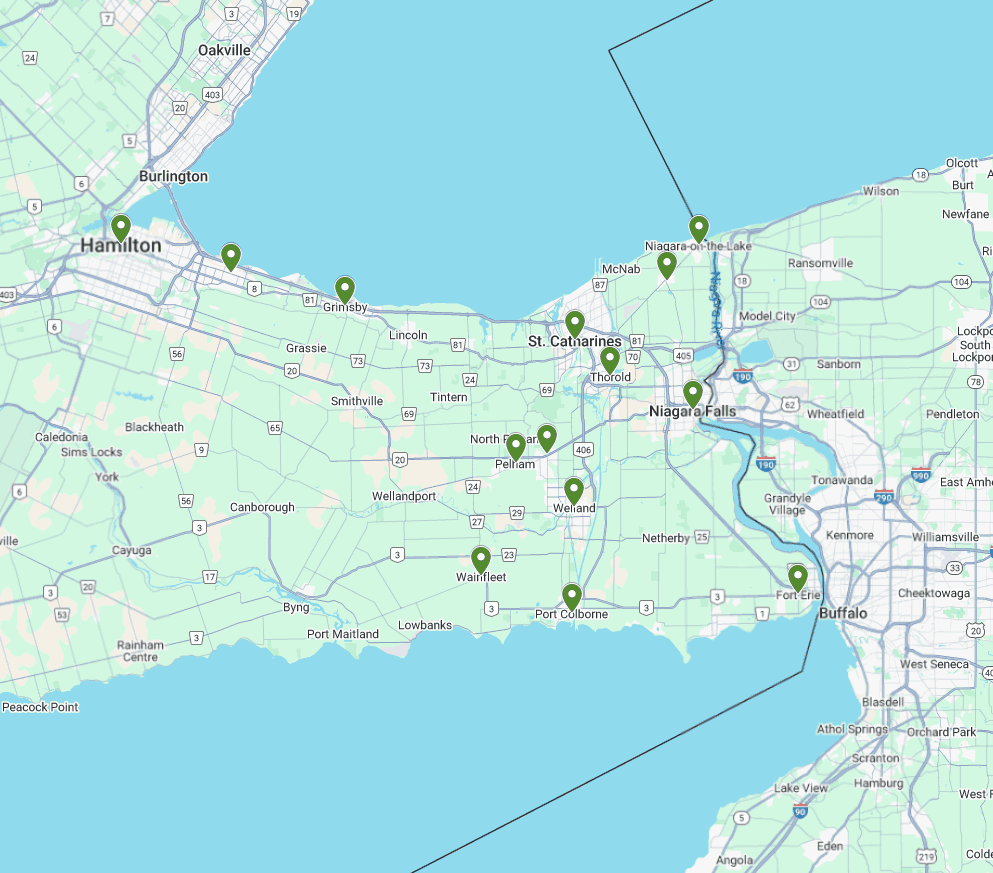
Our service areas encompass a wide range of locations, ensuring that we can meet the needs of our clients wherever they are. From bustling urban centers to serene rural landscapes, we are committed to providing top-notch services tailored to each unique environment.