



Overview: professional boiler installation in Virgil, ON, guiding homeowners through selecting the right boiler type, sizing accurately, and managing venting, piping, and controls for reliable warmth. It covers site preparation, permits, and installation day steps, then describess commissioning, safety checks, and documentation. The content emphasizes energy efficiency through condensing and modulating boilers, proper zoning, and insulated piping, along with expected lifespan, warranties, and routine maintenance to maximize long-term performance and savings. Get expert help for a smooth, confirmed installation.
.jpeg)
Boiler Installation in Virgil, ON
Installing a new boiler is one of the most important investments you can make for year-round comfort and energy savings in Virgil, ON homes. Winters in the Niagara region can be long and damp, and many houses here—especially older and heritage-style properties—rely on hydronic systems such as radiators or in-floor heating. A professional new boiler installation that accounts for local climate, home construction, and existing distribution systems ensures reliable heat, lower fuel use, and safe operation for decades.
Why a proper boiler installation matters in Virgil homes
A correctly sized and installed boiler:
- Meets heat demand during cold snaps without short-cycling
- Operates efficiently in variable lake-effect winter conditions
- Integrates safely with older chimneys, tight basements, or renovated spaces
- Reduces condensation and corrosion risks through proper venting and controls
Poorly matched boilers create comfort problems, higher bills, and premature equipment failures—issues common in this region where many homes were built before modern HVAC standards.
Common boiler types and which suits your Virgil home
Choosing the right boiler type and capacity starts with understanding how your home distributes heat and your fuel options.
Typical options:
- Condensing gas boilers: High efficiency (90%+ AFUE) for natural gas-fed homes; ideal for retrofits and new installs if venting and condensate drainage are available.
- Non-condensing gas boilers: Simpler venting but lower efficiency; sometimes used in older systems where flue liners or condensate handling are a concern.
- Oil-fired boilers: Common in some older rural properties; require an oil tank and larger combustion clearance.
- Electric boilers: Clean and compact, suitable for homes without gas or oil infrastructure and for small hydronic zones.
- Combination (combi) boilers: Provide space heating and domestic hot water without a separate tank—good where space is limited.
Selecting the right model also involves choosing modulating burners, variable-speed pumps, and zoning compatibility for improved efficiency in multi-level or renovated Virgil homes.
Initial home assessment and sizing
A responsible installation begins with a thorough on-site assessment:
- Heat loss calculation tailored to your home’s insulation, window types, orientation, and local winter design temperature
- Inventory of existing distribution (radiators, baseboards, radiant floors) to determine required output and water temperatures
- Fuel supply and combustion air evaluation (natural gas line capacity or oil tank requirements)
- Flue and venting condition, chimney integrity, and space available for equipment
Accurate sizing prevents oversized boilers that short-cycle and undersized units that struggle in extreme cold.
Site preparation, venting and piping considerations
Virgil homes often have unique constraints—tight basements, older masonry chimneys, or finished mechanical rooms—so site prep is critical.Key considerations:
- Venting: Condensing boilers typically use PVC or stainless direct venting and require condensate drains. Older chimneys may need liners for safe combustion gas expulsion.
- Combustion air: Ensure adequate fresh air where boilers are installed in tight or finished spaces.
- Piping layout: Use proper materials and slope for condensate and hydronic piping, include isolation valves for future service, and insulate hot water lines to reduce distribution loss.
- Expansion and safety: Correctly sized expansion tanks, pressure relief valves, and backflow preventers must be installed per code.
- Electrical and controls: Dedicated circuit, pump wiring, zone valves, and thermostat compatibility should be planned.
Permits and municipal inspections are usually required in the Niagara Region; plan for inspections when scheduling.
Installation best practices and what happens on install day
A professional installation follows a clear sequence to minimize disruption and ensure safety.Typical install day process:
Expect technicians to protect floors and work areas, and to leave the space clean once commissioning is complete. In some installations, short interruptions to heat or hot water may occur while systems are switched over.
Commissioning, safety checks and documentation
A complete commissioning sequence ensures long-term reliability:
- Combustion and CO testing to confirm safe exhaust and combustion efficiency
- Leak and pressure tests on hydronic circuits
- Verification of relief valves, low-water cutoffs, and safety interlocks
- Programming of thermostats and zoning controls for optimized performance
- Documentation of as-installed settings and system diagrams for future service
Retain installation records and warranty paperwork in case of future service or claims.
Energy-efficiency benefits and long-term savings
Modern condensing and modulating boilers deliver substantial efficiency improvements over older units. Benefits for Virgil homeowners:
- Lower fuel consumption in typical Niagara winters
- Better comfort with modulating output and proper zoning
- Reduced maintenance costs when combined with correct installation practices
- Lower greenhouse gas footprint when switching from oil or inefficient older gas units
Insulating distribution piping, balancing zones, and using programmable thermostats compound savings and comfort.
Warranties, expected lifespan and maintenance
Most new boilers come with manufacturer warranties on the heat exchanger and parts; workmanship warranties vary. Proper installation and regular annual service extend operational life—many modern boilers last 15–25 years when maintained.
Recommended maintenance:
- Annual combustion tune-up and safety check
- System flushing and descaling where necessary
- Check and replace sacrificial anodes, valves, and pumps per manufacturer guidance
- Bleed radiators and confirm zone operation before the cold season
Final considerations for Virgil homeowners
When planning a boiler installation in Virgil, ON, account for local winter loads, the age and layout of your home, and existing distribution systems. A careful assessment, correct sizing, proper venting, and professional commissioning protect your investment, maximize efficiency, and ensure safe, dependable heat through Niagara’s cold months.

Customer Testimonials

I called John today at 2:pm as my AC was not working and I wasn’t expecting even a call back as I knew with this hot weather we have had he would be swamped with calls. Well he called me back and showed at 8:pm on the same day to fix my AC. That is just incredible service and how much John really cares about his clients. Thank you John !

I have used Niagara Home heating for multiple projects for over 16 years. John and his staff are absolutely the best. I tell all my friends and family about Niagara Home Heating because you won’t get any better service or pricing anywhere in Niagara. He has saved me thousands and thousands of dollars and has never let me down.
I had an issue with my hot water tank and called Niagara Home Heating. Their service was fantastic and reasonably priced—exactly how a business should be run!
Lifesavers!! The AC in our house decided to quit the day we were passing the keys to the new owners!! Instead of making a service call to the house, John coached me through the minor repair over the phone, saving me the money and time waiting for a repair person to come.Much appreciated! Thanks again John
Very efficient company. I needed an old solar water heater removed from my roof. They were quick to book an appointment for the next day after I sent photos. They were very knowledgeable of the issue. The 2 guys that came were friendly and competent with the job, including removal of all parts.
We had an amazing experience getting our new furnace installed with Niagara Home Heating. The owner was very helpful, their quote was more then competitive and the technician who installed the unit was professional and friendly. I would recommend their services.

Service Areas
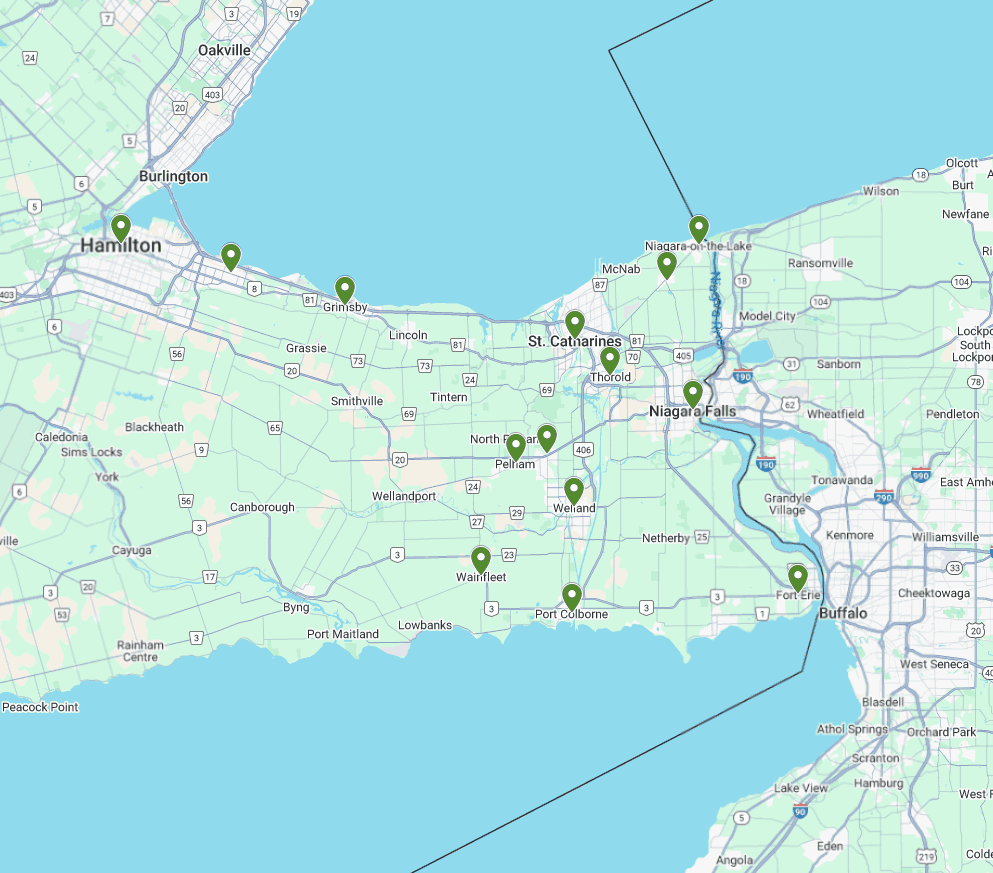
Our service areas encompass a wide range of locations, ensuring that we can meet the needs of our clients wherever they are. From bustling urban centers to serene rural landscapes, we are committed to providing top-notch services tailored to each unique environment.