



It describes the boiler replacement process for Virgil homeowners, from initial evaluation through post-installation testing. It describes system options (conventional, condensing, combi), sizing considerations, removal and site preparation, professional installation steps, and an estimated timeline. Financing, rebates, disposal, and warranty details are also covered to help buyers compare costs and make informed decisions. Emphasis is placed on safe installation, energy efficiency, and reliable heat delivery tailored to Virgil's climate, with guidance on maintenance to protect warranties.
.jpeg)
Boiler Replacement in Virgil, ON
Replacing your boiler is a major home investment, especially in Virgil where cold winters and older housing stock make reliable hydronic heat essential. It describes the boiler replacement process from first evaluation through post-installation testing, helping Virgil homeowners understand options (efficiency, condensing vs conventional, combi), sizing, removal, installation timeline, financing and rebate possibilities, disposal, and warranty details so you can make an informed decision.
Why replace a boiler in Virgil, ON
Virgil experiences cold winters and seasonal temperature swings that demand consistent, efficient heat. Older boilers lose efficiency over time, develop leak or corrosion issues, and can struggle to supply domestic hot water in homes with higher demand. Replacing an aging boiler can:
- Lower energy bills by improving efficiency
- Improve comfort with consistent heat distribution (radiators, baseboard, or radiant)
- Reduce breakdown risk during peak cold periods
- Provide safer combustion with modern venting and controls
Common boiler problems and when replacement is recommended
Common reasons Virgil homeowners choose replacement include:
- Chronic leaks, rust, or boiler body corrosion
- Repeated component failures (burner, heat exchanger, controls)
- Inefficient operation (frequent cycling, rising fuel bills)
- Loss of domestic hot water capacity or slow recovery
- Incompatible or failing controls that make the system unsafe or unreliableIf repairs are frequent or the boiler is older than 15 years, replacement often makes more financial and reliability sense.
Types of replacement systems (and which suits Virgil homes)
- Conventional boilers (non-condensing): Simpler and compatible with many older radiators and systems, but typically lower efficiency (mid 80s AFUE).
- Condensing boilers: High-efficiency (often 90%+ AFUE), best for newer homes or where return-water temperatures are low enough to condense flue gases. Good choice to reduce energy costs in Virgil’s climate.
- Combination (combi) boilers: Provide space heating and on-demand domestic hot water in one compact unit. Ideal for smaller homes or where space and tankless DHW benefit outweigh simultaneous-demand limitations.
- System type considerations: If you have cast-iron radiators or historic hydronic distribution, sizing and compatibility matter. In-floor radiant systems prefer lower supply temperatures and pair well with condensing units.
System evaluation and options comparison
A professional evaluation should include:
- Visual inspection of existing boiler, piping, flue, and controls
- Assessment of heat distribution (radiators, baseboards, radiant floors)
- Analysis of age, condition, and past repair history
- Review of domestic hot water needsThen compare options based on:
- Efficiency ratings (AFUE for boilers)
- Fuel type (natural gas, propane, oil, electric)
- Condensing vs conventional performance for your return-water temperatures
- Combi suitability for household hot-water patterns
- Physical footprint and venting requirements
Sizing and heat load calculations
Proper sizing prevents short cycling and ensures comfort. Technicians perform a heat-loss calculation for your Virgil home that accounts for:
- Square footage, insulation levels, window types, and air infiltration
- Local climate factors and design temperatures for the Niagara region
- Desired indoor temperature and distribution inefficienciesResults are expressed in BTU/h or kW, guiding selection of a boiler with the correct output and modulation range.
Removal of old equipment and site preparation
Removal includes:
- Safe shutdown and isolation of fuel and electrical supplies
- Draining and neutralizing boiler water and handling contaminated water per local regulations
- Disconnecting and removing piping, flue, and old controls
- Protecting floors and walls during removalHomes with older piping or asbestos-containing materials require additional precautions and specialist handling to meet Ontario safety standards.
Professional installation steps
A typical installation flow:
Expected project timeline
- Evaluation and proposal: 1–3 business days
- Permits/ordering equipment: 3–14 days depending on parts availability
- Typical residential swap (like-for-like): 1–3 days on-site
- Complex replacements (system conversion, piping rework, or structural changes): several days to a weekSeasonal demand and special-order equipment can extend timelines, so plan ahead of the cold season.
Financing and rebate options in Ontario
Homeowners in Virgil may qualify for several financing or incentive pathways:
- Provincial and federal energy-efficiency grants or loans that support high-efficiency heating upgrades
- Utility rebates that reward upgrading to condensing boilers or high-efficiency equipment
- Manufacturer financing or third-party loans tailored for HVAC projects
- Low-interest home improvement or energy upgrade loansA licensed installer will often help identify applicable programs and required paperwork for rebates. Keep records of invoices, model numbers, and installation dates for rebate applications.
Disposal, recycling and cleanup
Professionals handle removal and disposal according to Ontario regulations:
- Recycle metal components and properly dispose of non-recyclable materials
- Safely manage residual fuels, oils, or contaminated water
- If an oil tank is present, follow required decommissioning or removal proceduresA thorough cleanup includes restoring the work area and removing debris so the space is ready for use.
Post-installation testing and warranty details
After installation, technicians perform thorough testing:
- Combustion analysis and CO testing to verify safe operation
- Pressure and leak tests, pump and valve checks
- Thermostat calibration and system balancing across zones
- Programming of controls and demonstration of operationWarranty considerations:
- Equipment warranty covers the boiler itself (commonly 5–10 years depending on make/model)
- Parts and labor warranties vary by installer and may cover workmanship for a set period
- Warranty registration and routine maintenance are often required to preserve full coverageKeep copies of warranty paperwork and the installer’s commissioning report.
Long-term benefits and maintenance advice
Replacing your boiler with the right system for your Virgil home yields:
- Improved energy efficiency and lower operating costs
- More reliable heat during Niagara winters
- Better hot water performance if a combi or properly sized indirect tank is installedMaintain your new boiler by scheduling annual inspections and tune-ups, bleeding radiators or zones as needed, checking expansion tank pressure, and addressing small issues before they become failures. Regular maintenance helps protect warranties and extends equipment life.
Replacing a boiler is both a technical and practical decision that affects comfort, safety, and energy costs. A careful evaluation, correct sizing, professional installation, and documented warranties ensure the new system performs reliably in Virgil’s climate for years to come.

Customer Testimonials

Very efficient company. I needed an old solar water heater removed from my roof. They were quick to book an appointment for the next day after I sent photos. They were very knowledgeable of the issue. The 2 guys that came were friendly and competent with the job, including removal of all parts.

I have used Niagara Home heating for multiple projects for over 16 years. John and his staff are absolutely the best. I tell all my friends and family about Niagara Home Heating because you won’t get any better service or pricing anywhere in Niagara. He has saved me thousands and thousands of dollars and has never let me down.
Lifesavers!! The AC in our house decided to quit the day we were passing the keys to the new owners!! Instead of making a service call to the house, John coached me through the minor repair over the phone, saving me the money and time waiting for a repair person to come.Much appreciated! Thanks again John
We had an amazing experience getting our new furnace installed with Niagara Home Heating. The owner was very helpful, their quote was more then competitive and the technician who installed the unit was professional and friendly. I would recommend their services.
I called John today at 2:pm as my AC was not working and I wasn’t expecting even a call back as I knew with this hot weather we have had he would be swamped with calls. Well he called me back and showed at 8:pm on the same day to fix my AC. That is just incredible service and how much John really cares about his clients. Thank you John !
I had an issue with my hot water tank and called Niagara Home Heating. Their service was fantastic and reasonably priced—exactly how a business should be run!

Service Areas
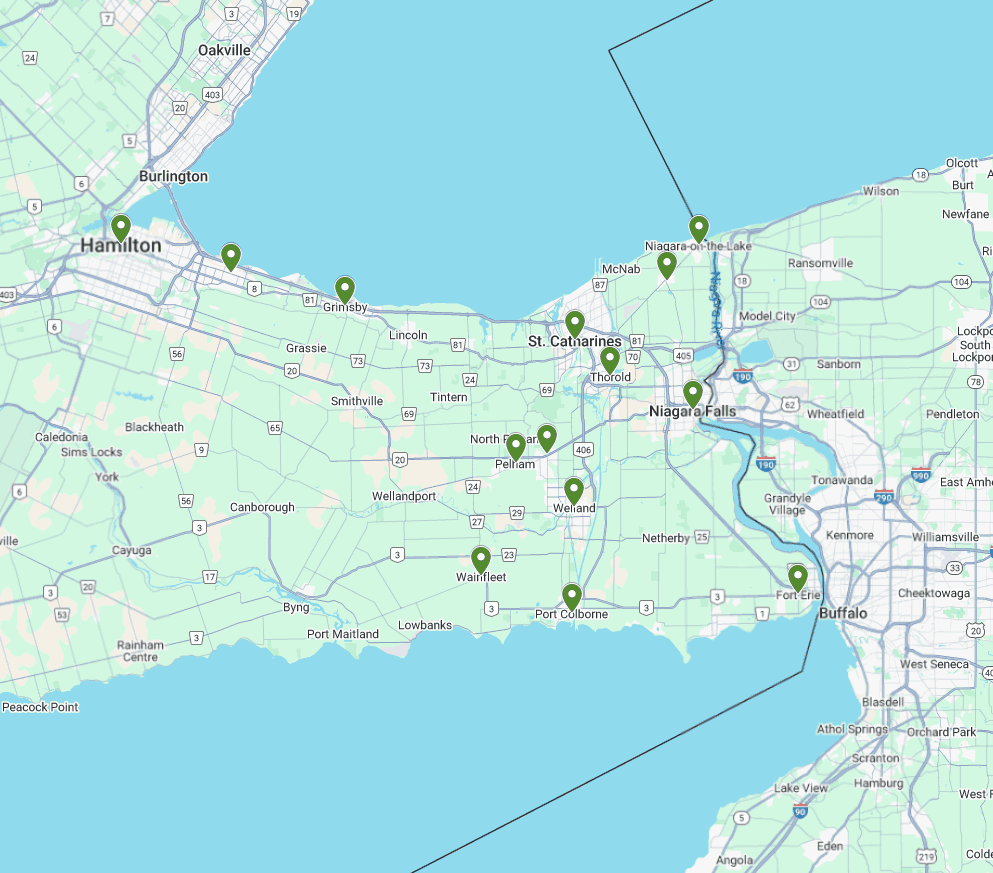
Our service areas encompass a wide range of locations, ensuring that we can meet the needs of our clients wherever they are. From bustling urban centers to serene rural landscapes, we are committed to providing top-notch services tailored to each unique environment.