



the importance of a professional boiler Tune-Up in Virgil, ON as the most effective preventative measure for warmth, safety, and efficiency. It describess common issues, the components of a full Tune-Up, and why each step matters—from combustion analysis to pressure checks and lubrication. It also covers cost factors, scheduling timing, maintenance tips, and how proper tuning lowers energy use, reduces breakdown risk, and extends equipment life in Niagara region winters.
.jpeg)
Boiler Tune-Up in Virgil, ON
A professional boiler Tune-Up is the single most effective preventative step you can take to keep your home warm, safe, and efficient through Virgil winters. With cold temperatures, lake effect snow, and multi-day cold snaps common to the Niagara region, boilers in local homes work hard each heating season. A thorough Tune-Up not only reduces the risk of midwinter breakdowns but restores combustion efficiency, improves comfort, and helps avoid higher energy bills.
Common boiler issues in Virgil, ON homes
- Difficulty igniting or pilot outage — age, debris, or weak ignition systems can lead to intermittent starts.
- Poor combustion and soot buildup — inefficient fuel burn reduces heat output and raises fuel use.
- Blocked or deteriorated flue and vents — bird nests, corrosion, or creosote can impede exhaust flow and create safety risks.
- Air trapped in radiators or piping — causes cold spots and uneven heating in hydronic systems.
- Leaking valves, pumps, or connections — slow leaks reduce system pressure and can cause corrosion.
- Scale and mineral buildup — harder water common in parts of Niagara accelerates scale on heat exchangers and reduces transfer efficiency.
- Frozen or clogged condensate lines in late fall/early spring — can cause high-limit shutdowns on condensing boilers.
- Worn or noisy circulating pumps and motors — reduce flow and increase electrical consumption.
What a professional Boiler Tune-Up includes
A comprehensive Tune-Up verifies safety, restores operating efficiency, and documents system condition. Typical components of a full Tune-Up:
- Visual and safety inspection
- Check for corrosion, external leaks, rust, and signs of overheating.
- Inspect piping insulation, pressure gauges, and visible controls.
- Combustion analysis
- Measure combustion gases (CO, O2, CO2) and flame quality to confirm safe, efficient fuel burn.
- Adjust air/fuel ratio and burner settings to optimize efficiency and reduce carbon monoxide risk.
- Pilot and ignition adjustments
- Clean or adjust pilot assemblies and make sure electronic ignition systems operate reliably.
- Verify proper ignition timing and flame stability.
- Flue, vent, and chimney inspection
- Inspect flue for corrosion, blockages, or improper pitch.
- Ensure safe exhaust flow and correct termination clearances for nearby eaves or vents.
- Heat exchanger and burner cleaning
- Remove soot, scale, and debris from the burner and heat exchanger surfaces to restore heat transfer.
- Filter, strainer, and valve checks
- Replace or clean any inline filters/strainers.
- Inspect and exercise zone valves and isolating valves to prevent seizure.
- Lubrication and pump inspection
- Lubricate motors and bearings where applicable; check pump operation and flow rates.
- Safety control testing
- Test pressure relief valves, low-water cutoffs, high-limit controls, and thermostats for correct operation.
- System pressure, expansion tank, and air purge
- Verify system pressure, adjust expansion tank charge if needed, and purge trapped air for even heat distribution.
- Condensate trap and drain check
- Clear condensate traps and check for frozen or clogged condensate lines—important in Virgil’s freeze-thaw conditions.
- Documentation and recommendations
- Provide a written checklist of work completed, diagnostic readings, and any recommended repairs or improvements.
Why each item matters (in plain language)
- Combustion analysis and burner tuning restore heat output and reduce fuel waste.
- Flue and vent checks protect against dangerous exhaust buildup and carbon monoxide hazards.
- Cleaning burners and heat exchangers prevents hotspots and premature failure.
- Exercising valves and lubricating pumps prevents unexpected failures midseason.
- Purging air and managing system pressure improves comfort and prevents noisy operation.
How tune-ups lower energy bills and breakdown risk
A properly tuned boiler operates closer to its rated efficiency. That means:
- Less fuel required to produce the same amount of heat.
- Fewer cycling losses and steadier indoor temperatures.
- Reduced strain on components, extending equipment life and delaying costly replacements.
- Early detection of small issues (leaks, worn parts, corrosion) that otherwise become emergency repairs during freezing weather.
When to schedule a tune-up
- Schedule a complete Tune-Up annually, ideally in early fall before the heating season.
- Arrange an immediate service if you notice: unusual odors, frequent cycling, persistent cold spots, rising fuel use, strange noises, or your carbon monoxide alarm activates.
What influences the cost of a tune-up
Rather than a fixed price, tune-up time and scope depend on:
- Boiler type and fuel (natural gas, oil, propane).
- Age and condition of the boiler and associated controls.
- Extent of cleaning required (heavy soot or scale takes longer).
- Access and complexity of piping and venting.
- Parts or repairs identified during inspection.
Providing clear documentation after a Tune-Up helps you prioritize repairs and budget for necessary replacements later.
Maintenance tips between professional tune-ups
- Keep boiler room clear and vents unobstructed.
- Check and maintain system pressure per manufacturer recommendations.
- Bleed radiators or baseboard loops if you notice cold spots.
- Replace or clean filters and strainers regularly.
- Insulate exposed piping in unheated areas to prevent freeze damage.
- Monitor fuel usage and unusual sounds—early detection prevents major failures.
Final note — why a Tune-Up matters in Virgil, ON
Homes in Virgil experience prolonged heating demand and weather extremes that place added stress on boilers. Annual professional Tune-Ups preserve safety, maximize efficiency in long heating seasons, and reduce the chance of emergency service calls during cold snaps. Keeping your hydronic or steam system healthy protects your comfort and helps manage energy costs over the long term.
Regular Tune-Ups are an investment in safety, efficiency, and reliability that pays off every winter by reducing breakdown risk and improving comfort in your Virgil home.

Customer Testimonials

Lifesavers!! The AC in our house decided to quit the day we were passing the keys to the new owners!! Instead of making a service call to the house, John coached me through the minor repair over the phone, saving me the money and time waiting for a repair person to come.Much appreciated! Thanks again John

Very efficient company. I needed an old solar water heater removed from my roof. They were quick to book an appointment for the next day after I sent photos. They were very knowledgeable of the issue. The 2 guys that came were friendly and competent with the job, including removal of all parts.
I called John today at 2:pm as my AC was not working and I wasn’t expecting even a call back as I knew with this hot weather we have had he would be swamped with calls. Well he called me back and showed at 8:pm on the same day to fix my AC. That is just incredible service and how much John really cares about his clients. Thank you John !
I have used Niagara Home heating for multiple projects for over 16 years. John and his staff are absolutely the best. I tell all my friends and family about Niagara Home Heating because you won’t get any better service or pricing anywhere in Niagara. He has saved me thousands and thousands of dollars and has never let me down.
I had an issue with my hot water tank and called Niagara Home Heating. Their service was fantastic and reasonably priced—exactly how a business should be run!
We had an amazing experience getting our new furnace installed with Niagara Home Heating. The owner was very helpful, their quote was more then competitive and the technician who installed the unit was professional and friendly. I would recommend their services.

Service Areas
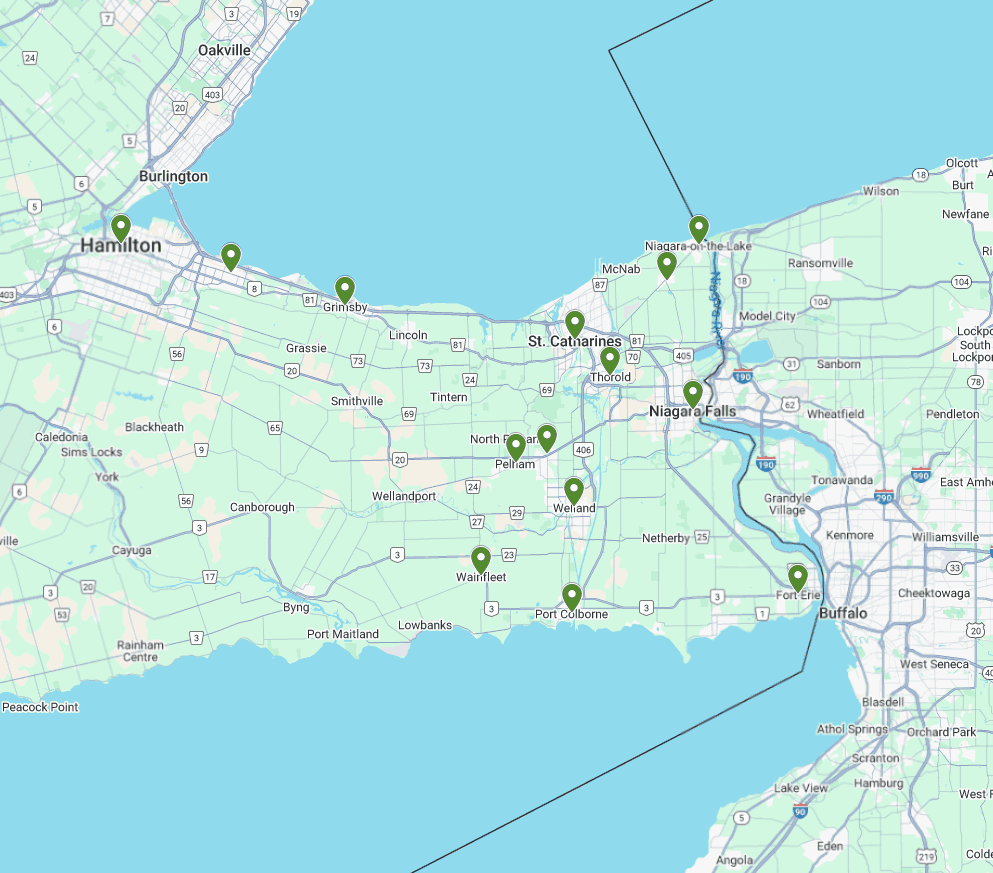
Our service areas encompass a wide range of locations, ensuring that we can meet the needs of our clients wherever they are. From bustling urban centers to serene rural landscapes, we are committed to providing top-notch services tailored to each unique environment.