



St Catharines heat pump installation guidance outlines what to expect from professional service, from pre-installation site inspection and load sizing to selecting the right system. It describes covers common installation types (air-source, ductless, hybrid, geothermal), electrical and refrigerant connections, ductwork considerations, commissioning, and performance testing. It explains warranty coverage, required permits, and documentation, plus practical details of install day and ongoing maintenance to ensure year-round comfort, energy efficiency, and long-term reliability in the local climate.
.jpeg)
Heat Pump installation in St Catharines, ON
Heat pump installation in St Catharines, ON is an increasingly popular decision for homeowners who want reliable year-round heating and cooling with lower operating costs. With the Niagara climate—cold winters moderated by Lake Ontario and warm, humid summers—properly sized and installed heat pumps deliver efficient comfort, reduce reliance on fossil fuels, and often qualify for provincial or federal incentives. It describes what a professional heat pump installation includes, common local considerations, typical issues to avoid, and exactly what homeowners can expect on install day.
Why homeowners in St Catharines choose heat pump installation
- Year-round comfort: efficient heating in shoulder seasons and cooling in summer.
- Energy savings: modern units can cut heating costs compared to older electric or oil systems.
- Improved indoor air quality and humidity control for lake-effect humidity and summer muggy conditions.
- Eligibility for rebates and financing programs that support electric heat upgrades.
Common heat pump installation types explained
- Air-source heat pumps (split systems): the most common option. Outdoor unit + indoor air handler or coil. Good efficiency for most St Catharines homes.
- Cold-climate air-source heat pumps: designed to maintain performance at lower temperatures typical of Niagara winters.
- Ductless mini-split systems: ideal for homes without ductwork or for adding heating/cooling to specific zones like basements or additions.
- Hybrid systems: heat pump paired with a furnace for backup high-heat days or existing gas systems.
- Ground-source (geothermal) systems: high efficiency but higher upfront cost and greater site disruption; suitable only for properties with enough yard space and soil conditions.
Pre-installation site inspection, load sizing and system selection
A thorough pre-installation inspection is the foundation of a successful heat pump installation in St Catharines, ON. Key steps include:
Proper load sizing is essential. Undersized systems struggle on cold days; oversized systems short-cycle, reducing efficiency and comfort. Professional calculations tailored to St Catharines homes account for insulation levels, window types, and local temperature ranges.
Electrical and refrigerant connections
- Electrical service: Many older homes in the Niagara Region have 100 amp panels. Heat pumps can require upgraded panels or dedicated circuits. The installer will evaluate panel capacity and recommend upgrades if needed.
- Disconnects and safety devices: Installers include outdoor disconnects and appropriate overcurrent protection sized to the unit.
- Refrigerant handling: Certified technicians will charge and evacuate refrigerant, using the correct refrigerant type and following environmental regulations. Proper brazing techniques and leak checks are performed to ensure longevity and compliance.
- Permits and code compliance: Installations must meet local electrical and HVAC codes. The installer typically arranges required permits and inspections to ensure compliance in St Catharines.
Ductwork and mounting considerations
- Ducted installations: Existing duct systems are inspected for leakage, sizing, and insulation. Sealing and balancing may be recommended to optimize performance.
- Ductwork modifications: Smaller or older ducts may need resizing or replacement. Adding a properly matched coil and controls improves efficiency.
- Ductless mounting: Mini-split indoor units are mounted high on walls or recessed where possible. Outdoor units need a stable pad or wall bracket with vibration isolation.
- Noise and setback: Outdoor units should be placed to minimize noise to bedrooms and neighbors, considering typical lot layouts in St Catharines subdivisions.
Commissioning and performance testing
A professional installation includes comprehensive commissioning and performance testing:
- Evacuation and refrigerant charge verification against manufacturer specifications.
- Electrical startup checks (voltage, amperage, control circuits).
- Airflow and temperature split measurements to verify heating and cooling capacity.
- Refrigerant leak tests and verification of condensate drainage.
- System controls programming, thermostat calibration, and zoning setup if applicable.
- Demonstration of system operation and basic maintenance guidance for homeowners.
Warranty, documentation and compliance information
- Manufacturer warranty: New heat pumps come with parts and sometimes compressor warranties. Confirm the duration and any registration requirements.
- Labor warranty: Professional installers should provide a labor warranty on workmanship for a specified period.
- Permit and inspection records: Proper documentation of permits and municipal inspections ensures code compliance and supports future resale.
- Compliance with refrigerant rules: Technicians comply with federal and provincial refrigerant handling regulations and maintain service records.
What homeowners can expect on install day
- Arrival and site protection: Technicians arrive with tools, protective coverings for floors, and drop cloths to protect your home.
- System removal and preparation: If replacing existing equipment, technicians will safely remove and dispose of old units per regulations.
- Installation sequence: outdoor unit placement, indoor unit mounting or duct coil installation, refrigerant and electrical connections, and condensate routing.
- Cleanup and testing: Installers vacuum lines, pressure test, charge refrigerant, start the system, and perform the commissioning checklist.
- Handover: You will receive system documentation, warranty papers, and a walkthrough of basic operation and maintenance tasks.
Long-term benefits and maintenance tips for St Catharines homes
- Seasonal tune-ups: Schedule professional maintenance at least once per year for optimal efficiency, ideally before the heating season in fall.
- Filter care: Replace or clean filters regularly to maintain airflow, especially during high-pollen spring and humid summer months.
- Outdoor unit care: Keep the outdoor unit free of leaves, snow buildup, and debris to preserve airflow and efficiency.
- Backup readiness: If you have a hybrid system or backup furnace, ensure integration controls are properly set to maximize efficiency during extreme cold snaps.
- Monitor for humidity: Heat pumps dehumidify in cooling mode but may require additional whole-house dehumidification in humid summers.
A correctly installed heat pump tailored to St Catharines conditions provides dependable comfort, year-round efficiency, and potential energy savings. Professional site inspection, accurate load sizing, skilled electrical and refrigerant work, careful duct or mounting considerations, and thorough commissioning are the critical steps that protect performance and warranty coverage for your home.

Customer Testimonials

I had an issue with my hot water tank and called Niagara Home Heating. Their service was fantastic and reasonably priced—exactly how a business should be run!

We had an amazing experience getting our new furnace installed with Niagara Home Heating. The owner was very helpful, their quote was more then competitive and the technician who installed the unit was professional and friendly. I would recommend their services.
Lifesavers!! The AC in our house decided to quit the day we were passing the keys to the new owners!! Instead of making a service call to the house, John coached me through the minor repair over the phone, saving me the money and time waiting for a repair person to come.Much appreciated! Thanks again John
I called John today at 2:pm as my AC was not working and I wasn’t expecting even a call back as I knew with this hot weather we have had he would be swamped with calls. Well he called me back and showed at 8:pm on the same day to fix my AC. That is just incredible service and how much John really cares about his clients. Thank you John !
I have used Niagara Home heating for multiple projects for over 16 years. John and his staff are absolutely the best. I tell all my friends and family about Niagara Home Heating because you won’t get any better service or pricing anywhere in Niagara. He has saved me thousands and thousands of dollars and has never let me down.
Very efficient company. I needed an old solar water heater removed from my roof. They were quick to book an appointment for the next day after I sent photos. They were very knowledgeable of the issue. The 2 guys that came were friendly and competent with the job, including removal of all parts.

Service Areas
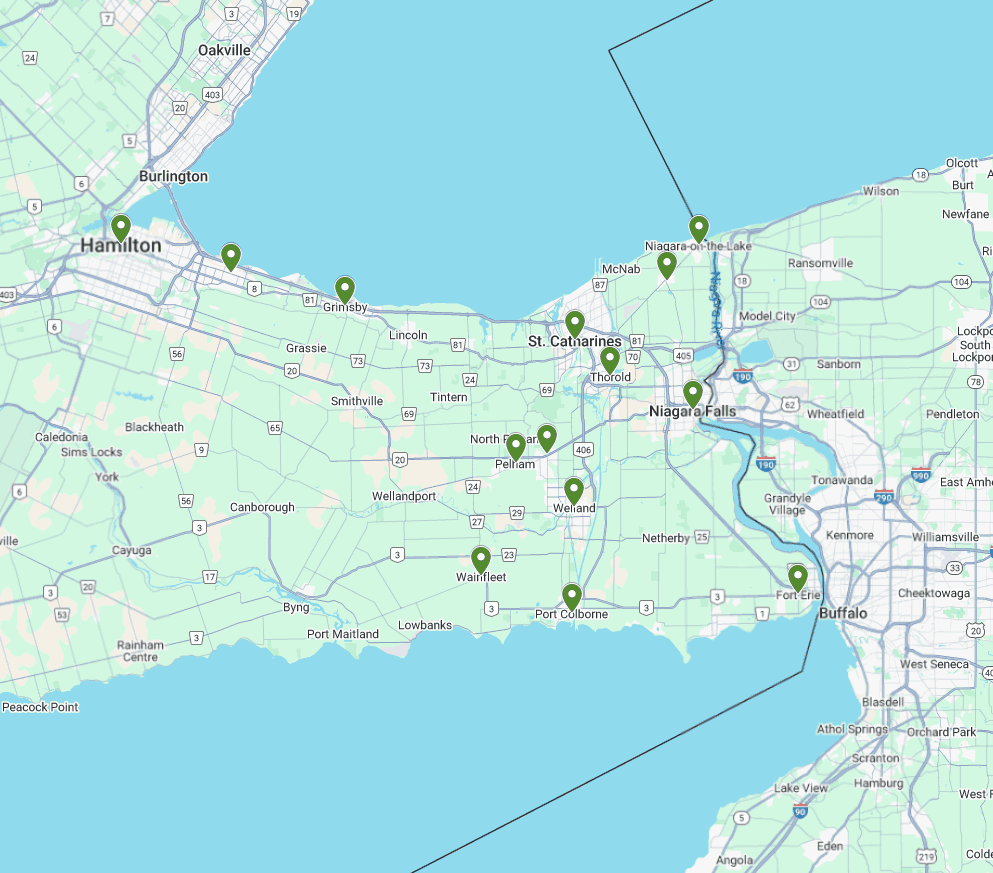
Our service areas encompass a wide range of locations, ensuring that we can meet the needs of our clients wherever they are. From bustling urban centers to serene rural landscapes, we are committed to providing top-notch services tailored to each unique environment.