



Heat pump repair in St Catharines, ON provides rapid, expert diagnostics and targeted repairs for common failures faced by homeowners. The guide outlines typical issues such as compressor faults, refrigerant leaks, electrical faults, and thermostat problems, and explains how technicians diagnose them through interviews, code checks, electrical tests, refrigerant measurements, and leak detection. It covers repair vs. replacement decisions, warranty considerations, response times, emergency options, qualifications of technicians, and practical maintenance steps to prevent future breakdowns and extend system life in Niagara Region.
.jpeg)
Heat Pump repair in St Catharines, ON
Heat pump repair in St Catharines, ON covers fast, expert diagnostics and repairs for the most common heat pump failures homeowners face. In a climate with humid summers, cold winters, and lake effect weather, your heat pump endures wide temperature swings and high seasonal demand. That increases wear on compressors, electrical components, and refrigeration circuits. It describes common failure modes, how technicians diagnose problems, what repairs and parts replacement typically involve, typical response expectations, emergency repair options, technician qualifications, and preventive steps you can take to reduce the chance of future breakdowns.
Common heat pump issues in St Catharines and how to spot them
- Compressor failure
- Signs: unit runs but provides little or no heating or cooling, unusual loud noises from the outdoor unit, frequent tripping of breakers.
- Causes: electrical failures, motor windings damage, contaminated refrigerant or mechanical wear from age or poor maintenance.
- Refrigerant leaks
- Signs: system short-cycles, loss of capacity, frost on suction line, hissing noises near service valves or coils.
- Causes: corrosion, damaged coils, or improper previous service. Leaks also reduce efficiency and can damage the compressor if unaddressed.
- Electrical faults
- Signs: unit does not start, intermittent operation, blown fuses, tripped breakers, or visible burn marks on terminals.
- Causes: worn contactors, bad capacitors, corroded wiring, or control board failures—often accelerated by salt air or moisture in coastal and lakeshore areas.
- Thermostat and control issues
- Signs: incorrect setpoint response, constant running, or failure to switch between heat and cool.
- Causes: thermostat miscalibration, wiring problems, or failed control boards.
- Defrost and reversing valve problems
- Signs: outdoor coil icing during heating, heat pump staying in defrost too long, or inability to change from heating to cooling.
- Causes: faulty sensors, stuck reversing valve, or control circuit faults.
- Fan and blower motor failures
- Signs: weak airflow, rattling, or no movement in the indoor blower or outdoor fan.
- Causes: worn bearings, debris build-up, or motor winding failures.
Typical diagnostic steps: what a proficient technician will do
Diagnostics are performed with safety and manufacturer guidelines in mind to avoid voiding warranties or causing further damage.
Parts replacement and repair scope
- Common parts replaced: compressors, reversing valves, contactors, capacitors, fan and blower motors, thermostats, control boards, filter driers, and expansion devices.
- When to repair vs replace: technicians evaluate system age, compressor condition, refrigerant type, and overall efficiency. Older systems with failing compressors and R-22 refrigerant often make replacement more cost-effective than continued repairs.
- Warranty and manufacturer considerations: authorized technicians can complete repairs while preserving existing warranties when using approved parts and documented procedures.
Response times and service fees
- Typical response expectations in the St Catharines area: same-day or emergency visits for situations that leave a home without heat in cold months, and next-business-day scheduling for non-urgent diagnostics and repairs. Response windows depend on seasonal demand and weather events.
- Fee transparency: professional services usually include a diagnostic visit fee that covers the technician’s time, basic testing, and a repair estimate. Any parts replacement or major repairs are quoted after diagnosis. Expect clear, written estimates before major work begins.
Emergency repair options
- Emergency repairs are critical during cold snaps when heat pumps may struggle. Emergency service prioritizes restoring safe, temporary heating or making the system operational until a full repair can be completed.
- Temporary measures often used: engaging auxiliary heat, installing a temporary electric heater in critical rooms, resetting safeties, or bypassing a failed component short-term when safe and permitted.
- Note: in extreme cold, older heat pumps can lose capacity. A qualified technician will advise on safe temporary solutions and timeline for permanent repair or replacement.
Technician qualifications and standards
- Look for technicians with formal HVAC training, certifications in refrigerant handling, and documented experience with heat pump systems. In Ontario, technicians regularly complete industry-specific courses and manufacturer training for split systems and ductless heat pumps.
- Qualified technicians will carry calibrated diagnostic tools, follow safety procedures, and keep records of repair work for warranty and service history.
- Professional traits: transparent estimates, clear explanation of findings in plain language, and respect for your home during service.
Preventing future breakdowns: maintenance tips for St Catharines homes
- Seasonal tune-ups: schedule at least annual maintenance—ideally in spring for cooling season and fall for heating season—to catch issues before they fail during peak demand.
- Keep outdoor unit clear: remove leaves, snow, and vegetation; ensure at least 30 cm of clearance for airflow and service access.
- Change filters regularly: replace or clean filters every 1 to 3 months depending on use, pets, and indoor air quality needs.
- Clean coils and check drains: dirty coils and clogged condensate drains reduce capacity and can cause freeze-ups or water damage.
- Monitor defrost performance: in colder months, ensure the defrost cycle functions correctly to prevent excessive ice build-up.
- Maintain proper thermostat settings and placement: avoid locating thermostats near heat sources or drafts to ensure accurate operation.
ConclusionHeat pump repair in St Catharines, ON requires prompt, precise diagnosis and repairs tailored to local weather impacts and home usage patterns. Understanding common failure modes, the diagnostic process, and the typical repair scope helps you make informed decisions when your system underperforms. Regular maintenance and timely professional attention extend equipment life and keep your home comfortable through Niagara Region seasons.

Customer Testimonials

Lifesavers!! The AC in our house decided to quit the day we were passing the keys to the new owners!! Instead of making a service call to the house, John coached me through the minor repair over the phone, saving me the money and time waiting for a repair person to come.Much appreciated! Thanks again John

I have used Niagara Home heating for multiple projects for over 16 years. John and his staff are absolutely the best. I tell all my friends and family about Niagara Home Heating because you won’t get any better service or pricing anywhere in Niagara. He has saved me thousands and thousands of dollars and has never let me down.
I called John today at 2:pm as my AC was not working and I wasn’t expecting even a call back as I knew with this hot weather we have had he would be swamped with calls. Well he called me back and showed at 8:pm on the same day to fix my AC. That is just incredible service and how much John really cares about his clients. Thank you John !
We had an amazing experience getting our new furnace installed with Niagara Home Heating. The owner was very helpful, their quote was more then competitive and the technician who installed the unit was professional and friendly. I would recommend their services.
Very efficient company. I needed an old solar water heater removed from my roof. They were quick to book an appointment for the next day after I sent photos. They were very knowledgeable of the issue. The 2 guys that came were friendly and competent with the job, including removal of all parts.
I had an issue with my hot water tank and called Niagara Home Heating. Their service was fantastic and reasonably priced—exactly how a business should be run!

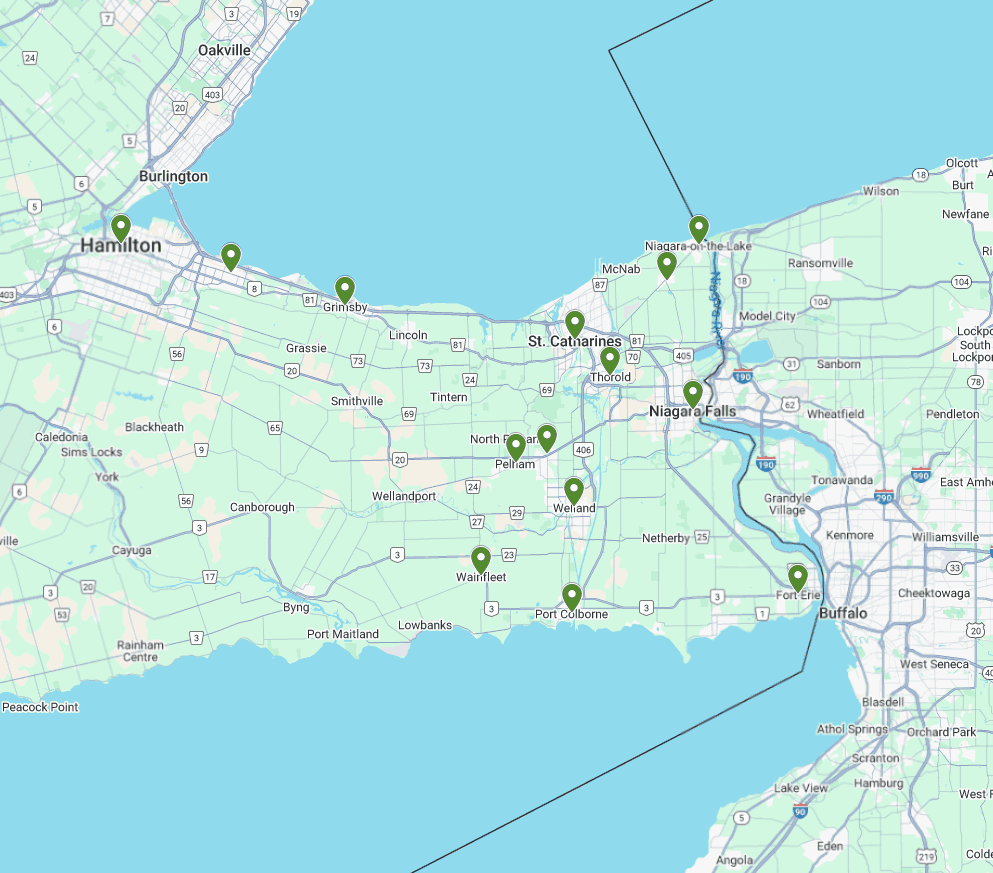
Service Areas
Our service areas encompass a wide range of locations, ensuring that we can meet the needs of our clients wherever they are. From bustling urban centers to serene rural landscapes, we are committed to providing top-notch services tailored to each unique environment.