



It describes common heat pump problems in Fonthill, the diagnostic approach, and the step-by-step repair process, including electrical troubleshooting, refrigerant leak detection, and component replacement. It explains expected response times, parts, warranties, and follow-up support to help homeowners set clear expectations. Emphasizing safety and code compliance, it notes use of manufacturer-approved components and proper refrigerant handling, and it offers maintenance tips to reduce future repairs based on system age, leaks, and local conditions. This ensures informed decisions and lasting comfort.
.jpeg)
Heat Pump repair in Fonthill, ON
Keeping your heat pump running reliably is essential in Fonthill where cold winters and temperature swings put extra demand on heating systems. It describes the common heat pump problems homeowners in Fonthill see, how technicians diagnose issues, what the typical repair process looks like (electrical troubleshooting, refrigerant leak detection, component replacement), and what to expect for response times, parts, warranties, and follow-up support. The goal is to help you make an informed decision when repair is needed and to set clear expectations about the work involved.
Why timely heat pump repair matters in Fonthill, ON
Fonthill homes face long heating seasons and freeze-thaw cycles that increase wear on outdoor units and defrost systems. Small failures left unaddressed can lead to reduced efficiency, higher energy bills, and complete system breakdown during cold snaps. Prompt, professional repair restores comfort, prevents secondary damage, and preserves equipment life.
Common heat pump problems in Fonthill
- Outdoor unit not running or noisy: often caused by failed fan motors, worn bearings, loose mounting, or debris in the coil.
- Reduced heating capacity or short cycling: can indicate low refrigerant, failing compressor, or control issues.
- Ice buildup and defrost failures: defective defrost control, sensors, or refrigerant imbalance are typical in colder local conditions.
- Frequent tripping of breakers: electrical faults such as bad capacitors, contactors, or compressor problems.
- Warm air in heat mode or poor airflow indoors: clogged filters, blocked ductwork, damaged reversing valve, or thermostat faults.
- Refrigerant leaks: common where corrosion or vibration affects line sets and fittings.
Diagnostic procedures technicians use
Diagnosis starts with a structured inspection and testing process to isolate the root cause and avoid unnecessary part swaps. Typical steps include:
- Visual inspection of the outdoor and indoor units for damage, debris, ice, and corrosion.
- Electrical checks using multimeters to verify power supply, control voltages, fuses, contactors, and capacitor health.
- Refrigerant system assessment: measuring operating pressures and temperatures to identify low charge or abnormal readings.
- Leak detection when pressures indicate loss: electronic leak detection, soap testing on accessible joints, and UV dye if needed.
- Airflow and thermostat checks: measuring static pressure and verifying correct thermostat signals.
- Component testing: bench-testing motors, relays, and control boards when suspected.
Diagnostics are documented and explained in plain language so homeowners understand the cause and options.
Step-by-step repair process
Repairs follow a consistent sequence to ensure safety, code compliance, and long-term reliability.
Initial triage and safety isolation
- Turn off power, secure the work area, and confirm system is safe to service.
Electrical troubleshooting
- Test power at the disconnect, check fuses, inspect contactor operation, and measure capacitor capacitance. Replace failing capacitors, contactors, or breakers as required.
Refrigerant leak detection and repair
- If refrigerant loss is suspected, locate and repair leaks using approved methods. Recover remaining refrigerant, repair or replace damaged lines or fittings, evacuate the system, and vacuum to required levels before recharge.
Component replacement
- Replace faulty fan motors, compressors, reversing valves, expansion devices, control boards, sensors, or other failed parts. Use manufacturer recommended components and refrigerant types for compatibility.
System recharge and performance testing
- Charge to factory or system specifications, verify superheat and subcooling, test defrost cycle, and confirm proper heating performance under load.
Cleanup and documentation
- Restore the site, label replaced parts, and provide a clear report of work performed and any recommendations.
Technicians follow manufacturer guidelines and local regulations for refrigerant handling and electrical safety.
Typical repair parts and what affects repair scope
Common parts replaced during heat pump repair include:
- Capacitors and contactors
- Fan motors and capacitors
- Compressor start/run components and compressors when necessary
- Reversing valves and solenoid assemblies
- Expansion devices such as TXVs or fixed orifices
- Control boards, sensors, thermostats, and safety switches
- Filter driers, accumulators, and line set repairs
What influences the extent of repair:
- Age and model of the heat pump and availability of replacement parts.
- Whether a refrigerant leak is present and accessibility of the leak.
- Extent of electrical or mechanical damage and any corrosion from local conditions.
- Manufacturer warranty coverage and whether original parts remain supported.
Note: repair costs vary widely based on parts, labor, and system accessibility; a full diagnostic is required to provide an accurate estimate.
Response times and emergency repair availability in Fonthill
Local technicians serving Fonthill prioritize heating failures during the cold season. Typical service practices include:
- Priority response for heat outages and unsafe conditions, including off-hour emergency availability when safety or loss of heat is involved.
- Same-day or next-day scheduling for non-emergency repairs depending on demand and parts availability.
- Clear communication about expected arrival windows and on-site time so you know what to expect.
Emergency dispatch and prioritization help minimize the time your home is without heat during cold periods.
Warranty and follow-up support
Professional repairs are backed by a combination of parts and labor warranties depending on the manufacturer and service provider. Typical support elements:
- Labor warranty on specific repairs for a defined period so work is guaranteed against workmanship issues.
- Manufacturer warranty coverage for eligible parts when within original warranty terms.
- Documentation of replaced parts and serial numbers for warranty claims.
- Recommended follow-up: a post-repair check or tune-up within a few months to confirm long-term performance and to address any settling issues.
Ask for written warranty terms and a clear explanation of what is covered, including any exclusions related to preexisting damage or refrigerant handling.
Maintenance tips to reduce repair needs in Fonthill
- Schedule seasonal maintenance before high-demand periods: late summer for cooling checks and early fall for heating readiness.
- Keep outdoor unit clear of leaves, snow, and debris and maintain a 1 meter clearance for airflow.
- Replace indoor filters regularly and ensure vents are open and unobstructed.
- Monitor for early warning signs: unusual noises, reduced capacity, longer run times, or frequent cycling.
- Consider a maintenance agreement for priority scheduling, seasonal tune-ups, and documented service history.
Timely maintenance reduces the chance of costly component failure and keeps efficiency high during Fonthill winters.
Heat pump repair in Fonthill, ON requires methodical diagnosis, safety-first repair steps, and local knowledge of seasonal stresses. When repairs are performed with clear diagnostics, quality components, and documented warranties, homeowners get restored comfort and longer equipment life.

Customer Testimonials

We had an amazing experience getting our new furnace installed with Niagara Home Heating. The owner was very helpful, their quote was more then competitive and the technician who installed the unit was professional and friendly. I would recommend their services.

I called John today at 2:pm as my AC was not working and I wasn’t expecting even a call back as I knew with this hot weather we have had he would be swamped with calls. Well he called me back and showed at 8:pm on the same day to fix my AC. That is just incredible service and how much John really cares about his clients. Thank you John !
I have used Niagara Home heating for multiple projects for over 16 years. John and his staff are absolutely the best. I tell all my friends and family about Niagara Home Heating because you won’t get any better service or pricing anywhere in Niagara. He has saved me thousands and thousands of dollars and has never let me down.
Lifesavers!! The AC in our house decided to quit the day we were passing the keys to the new owners!! Instead of making a service call to the house, John coached me through the minor repair over the phone, saving me the money and time waiting for a repair person to come.Much appreciated! Thanks again John
I had an issue with my hot water tank and called Niagara Home Heating. Their service was fantastic and reasonably priced—exactly how a business should be run!
Very efficient company. I needed an old solar water heater removed from my roof. They were quick to book an appointment for the next day after I sent photos. They were very knowledgeable of the issue. The 2 guys that came were friendly and competent with the job, including removal of all parts.

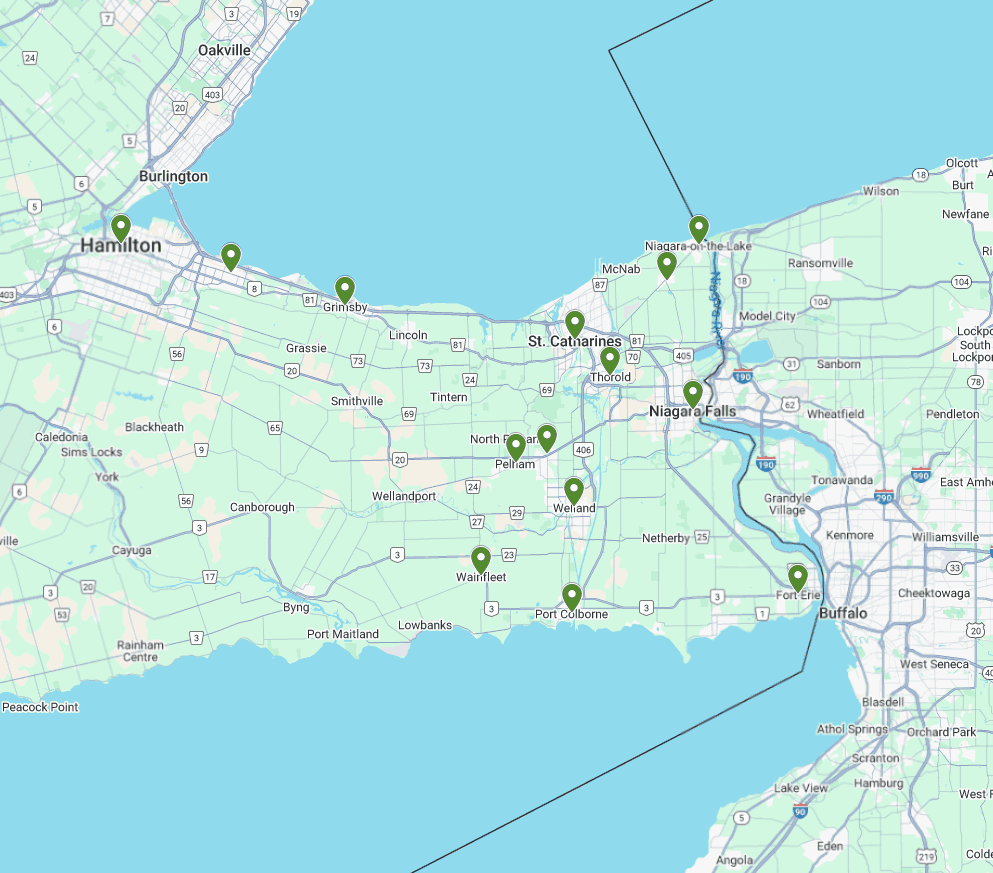
Service Areas
Our service areas encompass a wide range of locations, ensuring that we can meet the needs of our clients wherever they are. From bustling urban centers to serene rural landscapes, we are committed to providing top-notch services tailored to each unique environment.