



This service page explains when a heat pump replacement is necessary for Fonthill, ON, how professionals assess and size a new system, what to look for in efficient models, the replacement and disposal process, expected timelines and warranty options, and the rebates and financing available to protect your investment. It covers the steps of a thorough assessment, selecting cold-climate, inverter-driven units, and post-installation testing to verify performance and maximize year-round comfort and savings. This page emphasizes practical costs, timing, and service options.
.jpeg)
Heat Pump Replacement in Fonthill, ON
Replacing a heat pump is a major decision for Fonthill homeowners. With Niagara Region winters that can still dip below freezing and humid summers that demand reliable cooling, choosing the right replacement ensures year-round comfort, lower energy bills, and dependable performance. It describes when replacement is necessary, how professionals assess and size a new system, what to look for in efficient models, how the replacement and disposal process works, the expected timeline and warranty options, and the rebates, financing, and post-install testing that protect your investment in Fonthill, ON homes.
Why a heat pump replacement may be necessary
Common reasons Fonthill homeowners replace a heat pump include:
- Age and declining efficiency: units older than 10–15 years often lose capacity and cost more to run.
- Frequent breakdowns or costly repairs: repeated compressor or inverter failures signal end of life.
- Poor heating performance in cold snaps: older or non-cold-climate models struggle when temperatures fall.
- Rising energy bills despite routine maintenance: reduced SEER/HSPF and refrigerant leaks lower efficiency.
- Renovations or additions: changed home size or layout requires a properly sized system to maintain comfort.
- Desire for quieter, greener operation: modern inverter-driven units reduce noise and electricity use.
Replacing a failing unit rather than continuing to repair it will often pay for itself through lower energy costs, improved comfort, and fewer emergency service calls.
Assessment and load-calculation process
A professional replacement begins with a thorough assessment. Expect these steps:
- Home inspection: technicians evaluate insulation, window performance, existing ductwork, and any changes to the building envelope that affect heating and cooling needs in Fonthill’s climate.
- Manual J load calculation: this industry-standard calculation determines the exact heating and cooling load for each zone in your home, accounting for orientation, sun exposure, insulation levels, and local climate.
- Duct and airflow analysis: proper airflow is essential. Leaky or undersized ducts common in older Niagara homes can undermine a new heat pump’s performance.
- Electrical and mechanical check: technicians confirm your electrical panel capacity, disconnects, and refrigerant line routing. Some homes need minor electrical upgrades or a 240V circuit for a new unit.
- Integration review: if you want dual-fuel capability (heat pump + gas furnace backup) or smart zoning, the team evaluates compatibility.
This careful assessment prevents oversizing or undersizing—both of which reduce efficiency and comfort.
Energy-efficient model selection and sizing
Choosing the right model matters especially in Fonthill, where winters are cold but not extreme compared with northern Ontario. Key selection factors:
- Cold-climate heat pumps: look for models rated to maintain capacity at lower temperatures to reduce reliance on backup heat during cold spells.
- Efficiency ratings: check HSPF (heating) and SEER (cooling). Higher numbers mean better efficiency and lower operating costs.
- Inverter / variable-speed compressors: these adjust capacity to match demand, improving comfort, reducing short cycling, and saving energy during Niagara’s shoulder seasons.
- Proper sizing based on Manual J and Manual S: a correctly sized unit prevents temperature swings, excessive cycling, and premature wear.
- Ducted vs ductless options: ductless mini-splits can be ideal for additions, finished basements, or older homes with poor ductwork.
- Noise levels, defrost performance, and warranty coverage: select a model that balances quiet operation with reliable cold-weather defrost cycles.
An installer should present options with estimated seasonal operating costs for Fonthill energy rates and typical local usage patterns.
Professional replacement and disposal of the old unit
A professional replacement follows a safe, code-compliant process:
- Permits and code compliance: the technician pulls required permits and follows Ontario electrical and building codes.
- Refrigerant recovery and disposal: certified technicians recover refrigerant to legal environmental standards before removing the old unit.
- Safe removal: the old outdoor unit and indoor components are disconnected and removed with care to protect property landscaping and finishes.
- Installation of the new system: includes precise refrigerant charging, secure mounting, electrical connections, condensate routing, and any refrigerant line insulation upgrades.
- Ductwork repairs or upgrades: if ducts are leaking or undersized, the installer will recommend and perform necessary work to ensure system efficiency.
- Clean-up and responsible disposal: old equipment is recycled or disposed of according to provincial regulations.
Throughout, professionals should document the work for warranty and rebate purposes.
Expected timeline and warranty options
Typical timelines for a standard heat pump replacement in Fonthill:
- On-site assessment and quote: 1 visit (1–2 hours).
- Scheduling and permitting: 3–14 days depending on permit lead times.
- Replacement installation: 1–2 days for most single-family homes; larger or complex systems (zoning, duct replacement, dual-fuel conversions) may take 2–3 days.
- Final inspection and commissioning: same day as installation or within a few days depending on local inspection schedules.
Warranty options to consider:
- Manufacturer compressor and parts warranty (commonly 5–10 years or longer on some models).
- Extended parts and labor warranties from the installer.
- Warranty on workmanship covering installation defects.Always confirm what is included, registration requirements, and how warranty claims are handled.
Rebates, financing, and post-installation testing
Rebates and incentives: homeowners in Fonthill may qualify for federal, provincial, and local heat pump incentives and energy-efficiency programs. Eligibility often depends on the unit type, efficiency rating, and whether the installation replaces an electric resistance or fossil-fuel heating system. Keep documentation of purchase, installation, and efficiency specifications to support applications.
Financing options: many homeowners use energy-efficiency financing or home improvement loans to spread replacement costs over time. Look for programs that align with available rebates to maximize net savings.
Post-installation testing and verification: critical steps that confirm optimal performance:
- Airflow measurement and balancing for each supply register.
- Refrigerant charge verification via superheat/subcooling checks.
- Electrical load testing and thermostat calibration.
- System efficiency verification during a heating and cooling cycle.
- Walkthrough and operating instruction so you understand how to maximize seasonal savings.
Final paperwork should include permit sign-offs, warranty registrations, and rebate-ready invoices.
Long-term benefits and maintenance advice
Replacing an old heat pump with a correctly sized, cold-climate, inverter-driven model improves year-round comfort and lowers energy bills in Fonthill homes. To protect that investment:
- Schedule annual maintenance: outdoor coil cleaning, refrigerant checks, and control inspections.
- Change or clean filters regularly to maintain airflow and indoor air quality.
- Keep outdoor units clear of debris and snow during winter.
- Consider a maintenance agreement that includes priority service and seasonal tune-ups.
A professional, thorough replacement matched to Fonthill’s climate and your home’s needs yields reliable comfort, lower operating costs, and peace of mind for years to come.

Customer Testimonials

I called John today at 2:pm as my AC was not working and I wasn’t expecting even a call back as I knew with this hot weather we have had he would be swamped with calls. Well he called me back and showed at 8:pm on the same day to fix my AC. That is just incredible service and how much John really cares about his clients. Thank you John !

We had an amazing experience getting our new furnace installed with Niagara Home Heating. The owner was very helpful, their quote was more then competitive and the technician who installed the unit was professional and friendly. I would recommend their services.
Lifesavers!! The AC in our house decided to quit the day we were passing the keys to the new owners!! Instead of making a service call to the house, John coached me through the minor repair over the phone, saving me the money and time waiting for a repair person to come.Much appreciated! Thanks again John
I had an issue with my hot water tank and called Niagara Home Heating. Their service was fantastic and reasonably priced—exactly how a business should be run!
Very efficient company. I needed an old solar water heater removed from my roof. They were quick to book an appointment for the next day after I sent photos. They were very knowledgeable of the issue. The 2 guys that came were friendly and competent with the job, including removal of all parts.
I have used Niagara Home heating for multiple projects for over 16 years. John and his staff are absolutely the best. I tell all my friends and family about Niagara Home Heating because you won’t get any better service or pricing anywhere in Niagara. He has saved me thousands and thousands of dollars and has never let me down.

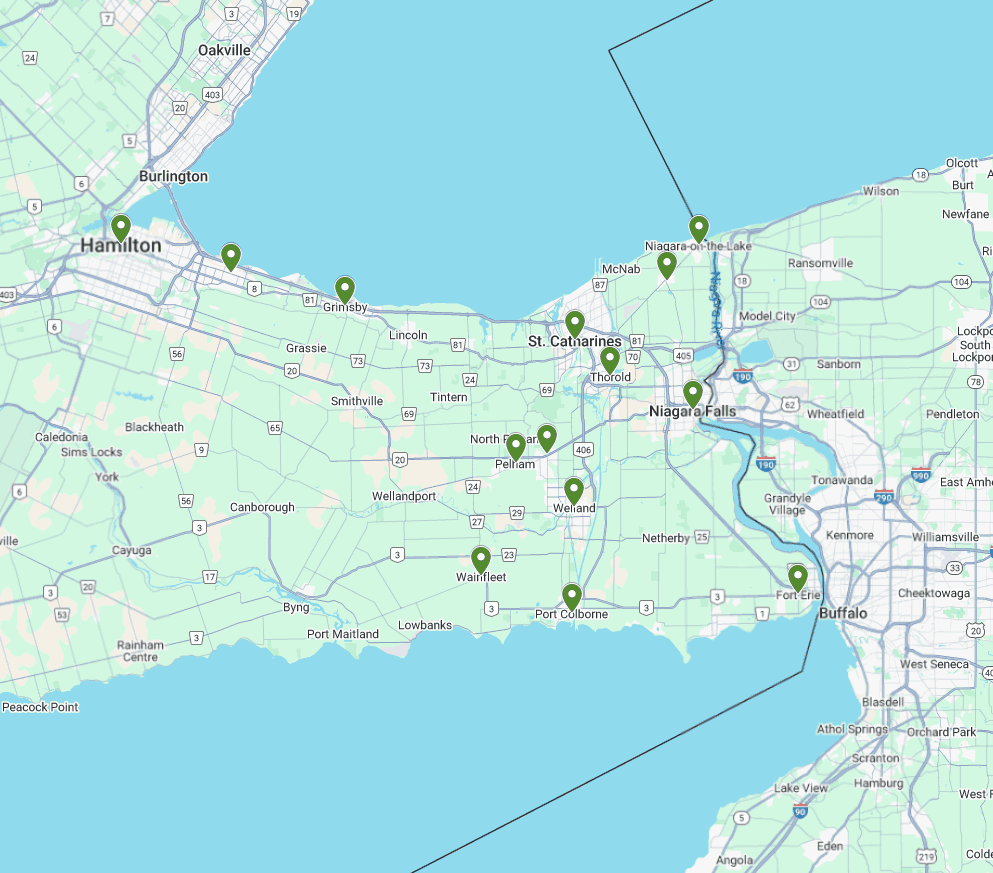
Service Areas
Our service areas encompass a wide range of locations, ensuring that we can meet the needs of our clients wherever they are. From bustling urban centers to serene rural landscapes, we are committed to providing top-notch services tailored to each unique environment.