



Heat pump repair guidance for Hamilton, ON outlines diagnosing common problems, from short-cycling and refrigerant leaks to reversing-valve faults. Technicians emphasize safety-first inspections, measurement of pressures, diagnostics of controls, and verification of airflow. Repair options cover thermostats, capacitors, components, refrigerant service, and possible replacements, with transparent pricing and written diagnoses. The guide also covers emergency response, warranty norms, preventative maintenance, and realistic timelines, highlighting the value of professional service for reliability and energy efficiency in Hamilton’s climate.
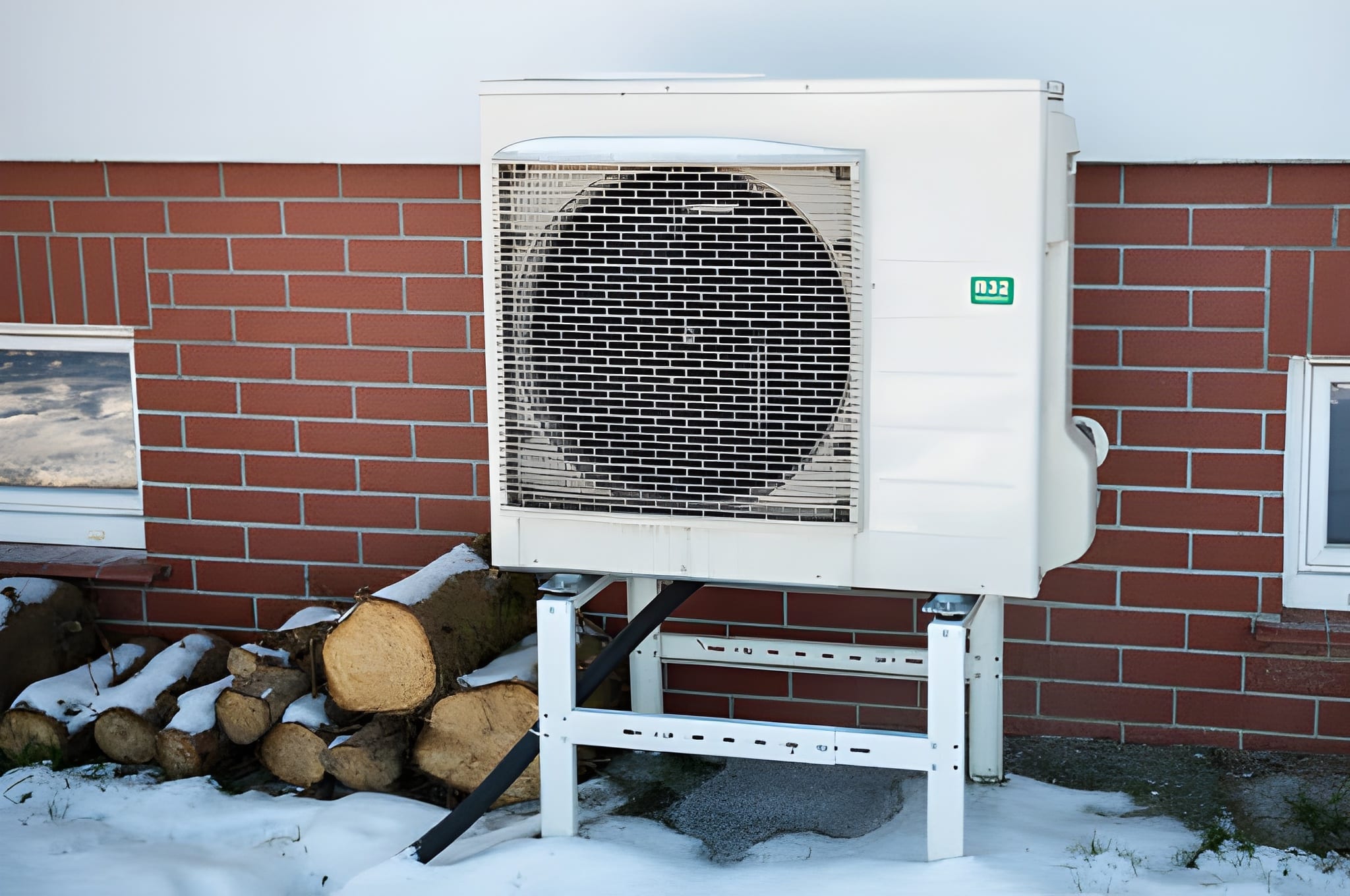
Heat Pump repair in Hamilton, ON
Heat pumps are the year-round backbone of many Hamilton homes, providing efficient heating through cold winters and reliable cooling in humid summers. When a heat pump stops performing—short-cycling, failing to heat or cool, making unusual noises, or showing low airflow—it quickly becomes a household emergency. It describes common heat pump problems in Hamilton, how technicians diagnose them, repair options, parts and labour practices, emergency response expectations, warranty norms, and practical preventative steps to avoid repeat breakdowns.
Why heat pump repair matters in Hamilton, ON
Hamilton’s lake-effect weather and wide temperature swings place extra demand on heat pump systems. Salt air and higher humidity near the lake accelerate outdoor unit corrosion, while cold snaps stress compressors and defrost cycles. Prompt, professional repairs restore comfort, reduce energy waste, and extend equipment life—saving money and avoiding mid-winter failures.
Common heat pump issues in Hamilton homes
- No heating or cooling: unit runs but no temperature change, or unit won’t run at all.
- Short-cycling: unit turns on and off frequently, raising energy use and wear.
- Low capacity or reduced airflow: weak airflow, uneven room temperatures.
- Refrigerant leaks: frosting on lines, hissing sounds, or rapid loss of cooling/heating.
- Compressor faults: loud starting clicks, humming, or a unit that won’t start.
- Reversing valve failures: stuck in heat or cool mode, incorrect mode behavior.
- Defrost or sensor problems: outdoor unit stays iced up or operates inefficiently in cold weather.
- Electrical/control issues: tripped breakers, failed contactors, faulty control boards or thermostats.
Diagnostic approach: what a professional will check
Technicians follow a logical, safety-first diagnostic process to find root causes rather than guessing:
Technicians document findings, explain probable causes in plain language, and present repair options rather than immediate replacement unless the system is unsafe or beyond repair.
Repair options, parts and labour practices
- Minor repairs: replacing thermostats, capacitors, contactors, fan motors, or fan blades; clearing and cleaning coils and drains. These are often completed on the first visit.
- Refrigerant service: locate and repair leaks, evacuate and recharge per regulations, or, if leak cannot be repaired economically, advise on replacement. Technicians handling refrigerant are certified to meet Canadian refrigerant regulations.
- Compressor or reversing-valve repairs: in many cases compressors or reversing valves require specialized parts and bench work or full system replacement depending on age and cost-effectiveness.
- Control board and electrical repairs: replace failed control components and verify safe operation.
Parts: reputable repairs use OEM or high-quality aftermarket parts sized to the system. Parts and labour are itemized with clear explanations of why each part is needed.
Labour practices: professional teams provide a written diagnosis, an itemized repair recommendation, and a clear timeline for parts and completion. Work areas are protected, and technicians test and demonstrate system operation after repairs.
Emergency response and typical response times in Hamilton
Heat pump failures during extreme cold or heat are considered urgent. Local technicians commonly offer:
- Emergency triage guidance over the phone (safe temporary steps).
- Same-day or next-business-day on-site response for priority problems during severe weather.
- Standard service appointments for non-urgent repairs within a few days.
Expect an initial diagnostic visit that identifies the cause and outlines repair options. During high-demand periods (cold snaps or heat waves), response times may extend; however, technicians prioritize unsafe conditions and loss-of-heat situations.
Transparent pricing and repair estimates
Good repair practices in Hamilton include:
- Clear, written diagnostic reports before major work.
- Itemized estimates that separate labour, parts, and any inspection or diagnostic fees.
- Explanation of alternatives (repair vs replacement) and projected longevity after repair.
- Disclosure of potential additional costs if hidden damage is found once work begins.
While costs vary by part and labour complexity, expect transparent communication and documentation so you understand what you are paying for before any work proceeds.
Warranties and repair guarantees
Typical warranty practices you will see:
- Labour warranties covering workmanship for a defined period from completion.
- Parts warranties from manufacturers, which vary by component (compressors often carry longer manufacturer coverage).
- Clear written warranty terms provided with the repair documentation.
Always confirm warranty duration and what actions could void coverage (for example, lack of regular maintenance).
Preventative tips to avoid future breakdowns
- Schedule seasonal maintenance twice a year: an outdoor inspection and indoor tune-up heading into winter and cooling seasons.
- Change or clean filters regularly (every 1–3 months depending on use and home conditions).
- Keep at least 1 metre clearance around the outdoor unit; remove snow, leaves, and debris promptly.
- Protect outdoor units from road salt spray where possible and rinse salt deposits gently after winter storms.
- Check thermostat settings and batteries, and avoid rapid setpoint changes that cause short-cycling.
- Ensure ductwork is sealed and insulated; restricted airflow is a leading cause of system stress.
- Address unusual noises, smells, or performance drops early—small issues are cheaper to fix than failed compressors.
ConclusionA properly diagnosed and repaired heat pump restores comfort, improves efficiency, and prevents costly future failures—especially important in Hamilton’s variable climate. Professional diagnostics, clear repair options, transparent estimates, certified refrigerant handling, and routine maintenance are the foundations of reliable heat pump performance in Hamilton, ON.

Customer Testimonials

I have used Niagara Home heating for multiple projects for over 16 years. John and his staff are absolutely the best. I tell all my friends and family about Niagara Home Heating because you won’t get any better service or pricing anywhere in Niagara. He has saved me thousands and thousands of dollars and has never let me down.

I called John today at 2:pm as my AC was not working and I wasn’t expecting even a call back as I knew with this hot weather we have had he would be swamped with calls. Well he called me back and showed at 8:pm on the same day to fix my AC. That is just incredible service and how much John really cares about his clients. Thank you John !
We had an amazing experience getting our new furnace installed with Niagara Home Heating. The owner was very helpful, their quote was more then competitive and the technician who installed the unit was professional and friendly. I would recommend their services.
Very efficient company. I needed an old solar water heater removed from my roof. They were quick to book an appointment for the next day after I sent photos. They were very knowledgeable of the issue. The 2 guys that came were friendly and competent with the job, including removal of all parts.
I had an issue with my hot water tank and called Niagara Home Heating. Their service was fantastic and reasonably priced—exactly how a business should be run!
Lifesavers!! The AC in our house decided to quit the day we were passing the keys to the new owners!! Instead of making a service call to the house, John coached me through the minor repair over the phone, saving me the money and time waiting for a repair person to come.Much appreciated! Thanks again John

Service Areas
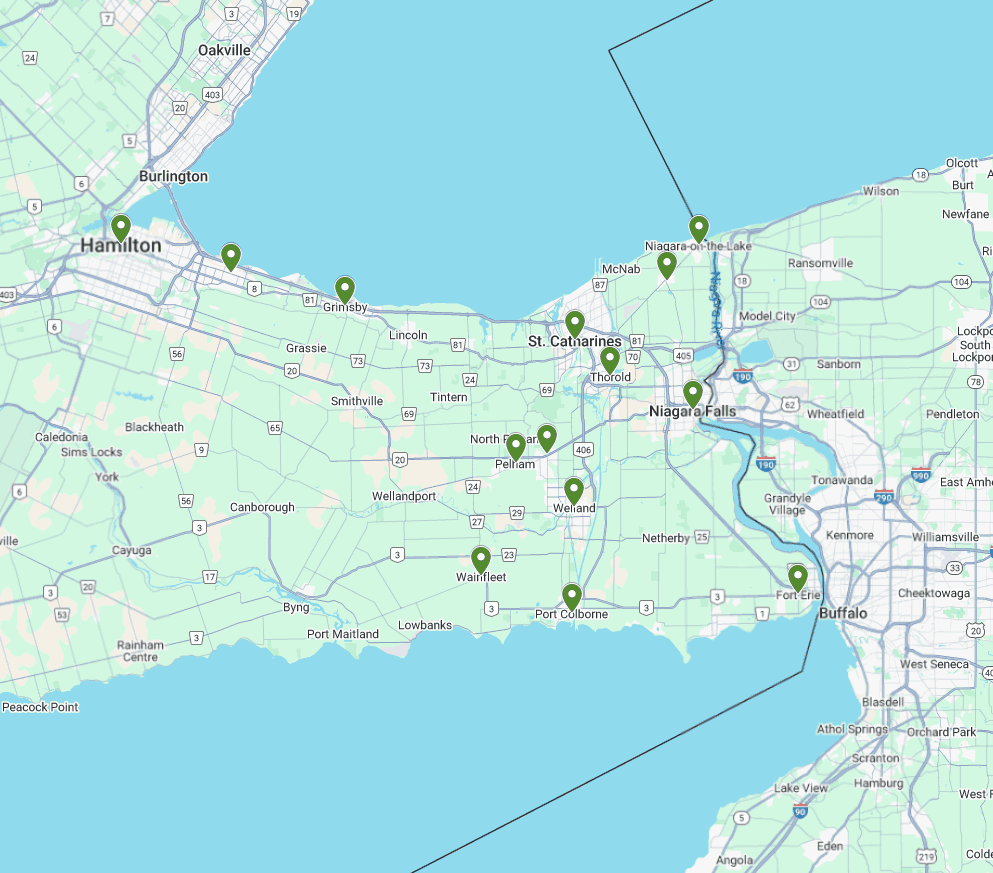
Our service areas encompass a wide range of locations, ensuring that we can meet the needs of our clients wherever they are. From bustling urban centers to serene rural landscapes, we are committed to providing top-notch services tailored to each unique environment.