



This page delivers a comprehensive overview of a heat pump tune-up in Hamilton, ON, emphasizing reliability for cold winters and humid summers. A full tune-up inspects, cleans, adjusts, and tests the entire system from outdoor and indoor coils to refrigerant checks, electrical controls, thermostat calibration, defrost verification, airflow, drainage, and a concise service report. Typical tune-up duration is 60-90 minutes. It also covers common Hamilton-specific issues, diagnostic steps, and practical maintenance guidance to extend equipment life and reduce emergency repairs.
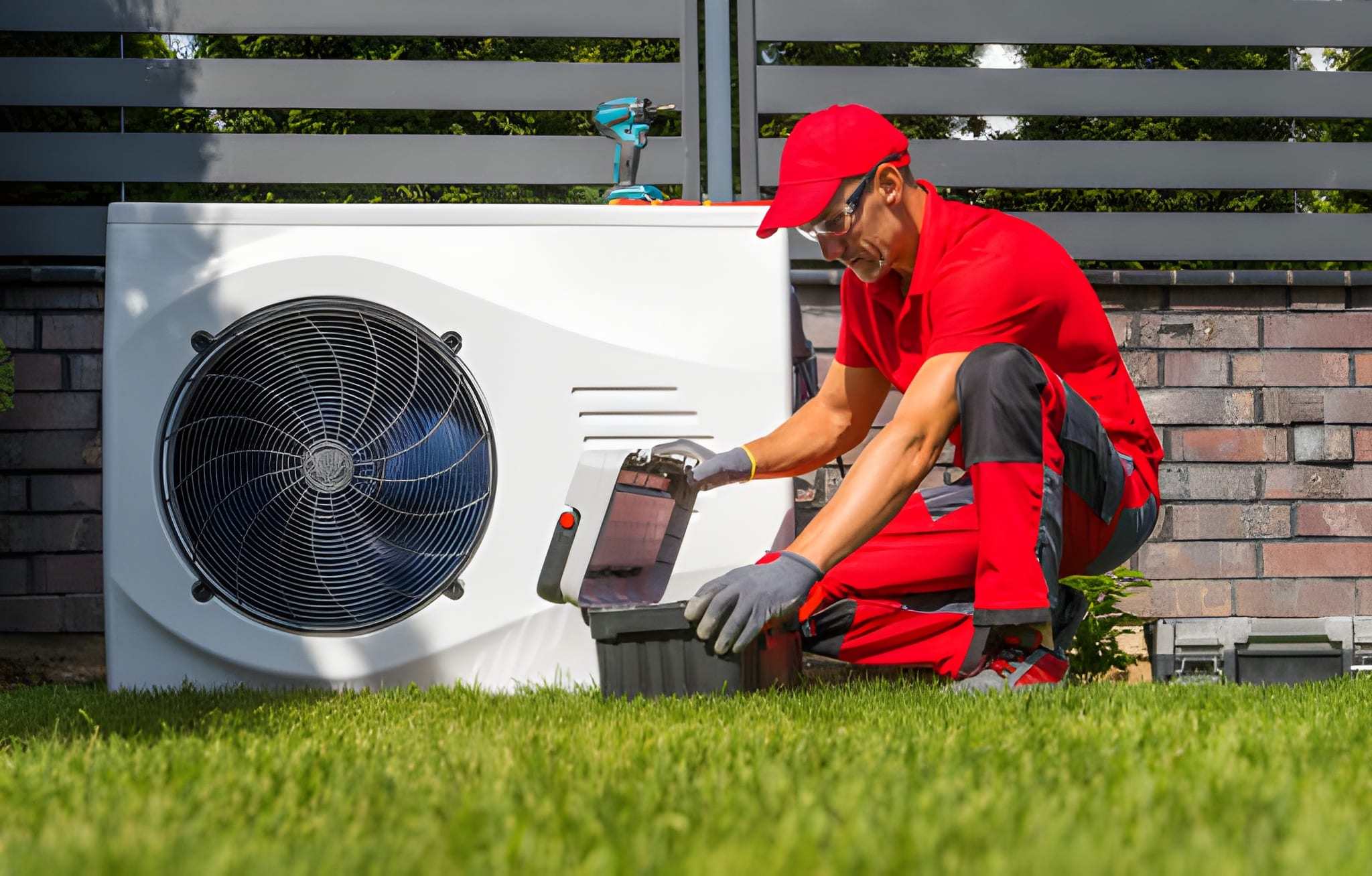
Heat Pump tune-up in Hamilton, ON
Keeping your heat pump tuned and running reliably is essential in Hamilton, ON where cold, snowy winters and humid summers put extra stress on heating and cooling equipment. A professional heat pump tune-up in Hamilton, ON prevents mid-winter breakdowns, restores efficiency, and extends equipment life. Below is a clear, expert breakdown of what a comprehensive tune-up includes, common problems found in Hamilton homes, how technicians diagnose issues, and practical maintenance guidance tailored to local conditions.
Why a tune-up matters for Hamilton homes
Hamilton experiences lake effect snow, freezing temperatures, and winter salt exposure that accelerate wear on outdoor units. In summer, humidity increases load on cooling cycles. Regular tune-ups catch developing problems early, ensure reliable defrost operation in cold spells, and help your heat pump run more efficiently through both heating and cooling seasons. Proper maintenance also supports warranty requirements and reduces the chance of costly emergency repairs.
What a full heat pump tune-up includes
A thorough tune-up inspects, cleans, adjusts, and tests the entire system so it can perform as intended. Typical tune-up tasks:
- Visual and safety inspection
- Check equipment condition, mounting, and protective covers
- Inspect for corrosion from road salt or moisture exposure
- Outdoor coil cleaning
- Remove dirt, leaves, salt deposits and other debris that reduce heat transfer
- Indoor coil and air handler cleaning
- Inspect and clean evaporator coil where accessible; clear dust build-up to improve airflow
- Refrigerant check
- Measure operating pressures and temperatures to confirm correct refrigerant charge and identify leaks
- Electrical and control checks
- Tighten electrical connections, test capacitors, contactors, and breakers for safe operation
- Lubrication and moving parts
- Lubricate motors and moving linkages where applicable to reduce wear and noise
- Thermostat and control calibration
- Verify thermostat accuracy, program settings, and system communication
- Defrost cycle and reversing valve verification
- Test defrost controls and reversing valve operation to ensure reliable heating during cold weather
- Airflow and filter inspection
- Evaluate airflow, check/advise on filter condition, and measure static pressures if needed
- Drainage and condensate inspection
- Clear condensate drains and inspect pans to prevent water damage and microbial growth
- Performance and efficiency assessment
- Record baseline temperatures, pressures, and operating amperage to gauge system health
- Service report
- Provide a concise summary of findings and recommended repairs or parts if required
Estimated duration: most single outdoor unit tune-ups take about 60 to 90 minutes. Larger, multi-zone, ductless, or systems with access challenges may take longer.
Common heat pump problems in Hamilton, ON
These are issues technicians frequently find during tune-ups in the local climate:
Dirty outdoor or indoor coils reducing efficiency and causing longer run times
Low refrigerant or refrigerant leaks leading to poor heating performance and potential compressor stress
Faulty defrost controls or sticking reversing valves that cause icing or failure to switch to heating in cold weather
Weak capacitors or worn contactors that cause hard starts or intermittent operation
Restricted airflow from clogged filters, blocked return vents, or duct issues
Corroded electrical connections accelerated by road salt and moisture
Improper thermostat calibration or control communication errors
Frozen outdoor unit due to poor defrost performance or blocked airflow
Addressing these issues during a tune-up restores capacity, reduces energy use, and prevents inconvenient failures.
How technicians diagnose during a tune-up
A methodical approach ensures nothing is missed:
Technicians experienced with Hamilton’s weather patterns will pay special attention to defrost behavior, salt corrosion, and winter startup readiness.
Repairs and solutions often recommended after a tune-up
When a tune-up uncovers issues, common solutions include:
- Coil cleaning or fin straightening to restore heat transfer
- Leak detection and refrigerant repair with documented pressure testing
- Replacing degraded capacitors, contactors, or thermostats to improve reliability
- Replacing or servicing reversing valve components and defrost sensors
- Repairing or insulating duct leaks and improving return airflow
- Treating or replacing corroded terminals and protective covers
Timely repairs after a tune-up maximize the benefit of the inspection and avoid reduced efficiency or secondary damage.
Recommended tune-up frequency for Hamilton homes
Minimum: once per year for homes with light use or dual-fuel systems
Best practice: twice per year — spring and fall — to prepare for heavy cooling and heavy heating seasons respectively
- For homes that rely exclusively on a heat pump for year-round heating and cooling, biannual maintenance is strongly recommended to verify defrost function and winter readiness.
Simple maintenance tips homeowners can do between tune-ups
- Replace or clean filters monthly during heavy-use periods
- Keep the outdoor unit clear of snow, ice, leaves, and mower clippings
- Trim vegetation to maintain at least 24 inches of clearance around the outdoor unit
- Avoid using salt or de-icing chemicals directly against the unit; rinse off any road salt buildup when safe
- Monitor for unusual noises, higher-than-normal energy bills, or reduced comfort and schedule inspection if they appear
Benefits of regular tune-ups
Regular professional tune-ups in Hamilton improve system efficiency, lower operating costs, extend equipment life, reduce emergency repairs, and ensure dependable comfort through cold winters and humid summers. A well-documented maintenance history also supports warranty coverage and can help with future service planning.
This overview describes what to expect from a professional heat pump tune-up in Hamilton, ON, and why consistent maintenance is especially important given local climate conditions.

Customer Testimonials

We had an amazing experience getting our new furnace installed with Niagara Home Heating. The owner was very helpful, their quote was more then competitive and the technician who installed the unit was professional and friendly. I would recommend their services.

I have used Niagara Home heating for multiple projects for over 16 years. John and his staff are absolutely the best. I tell all my friends and family about Niagara Home Heating because you won’t get any better service or pricing anywhere in Niagara. He has saved me thousands and thousands of dollars and has never let me down.
I had an issue with my hot water tank and called Niagara Home Heating. Their service was fantastic and reasonably priced—exactly how a business should be run!
I called John today at 2:pm as my AC was not working and I wasn’t expecting even a call back as I knew with this hot weather we have had he would be swamped with calls. Well he called me back and showed at 8:pm on the same day to fix my AC. That is just incredible service and how much John really cares about his clients. Thank you John !
Lifesavers!! The AC in our house decided to quit the day we were passing the keys to the new owners!! Instead of making a service call to the house, John coached me through the minor repair over the phone, saving me the money and time waiting for a repair person to come.Much appreciated! Thanks again John
Very efficient company. I needed an old solar water heater removed from my roof. They were quick to book an appointment for the next day after I sent photos. They were very knowledgeable of the issue. The 2 guys that came were friendly and competent with the job, including removal of all parts.

Service Areas
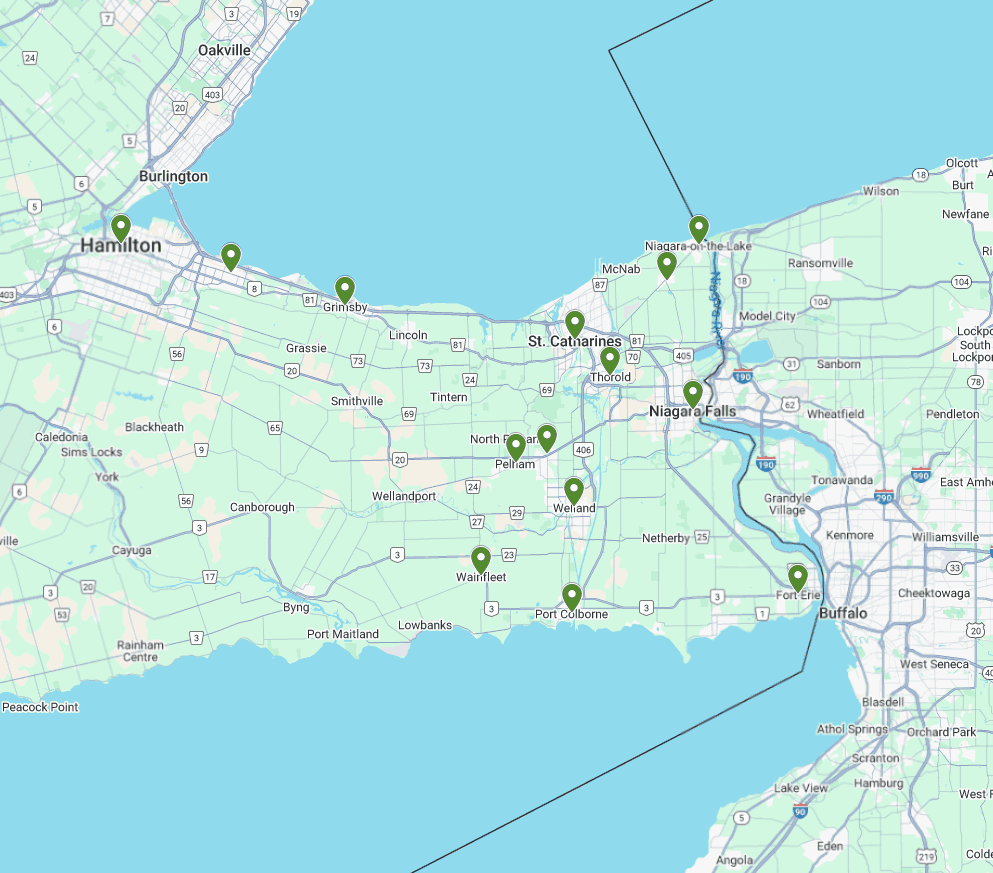
Our service areas encompass a wide range of locations, ensuring that we can meet the needs of our clients wherever they are. From bustling urban centers to serene rural landscapes, we are committed to providing top-notch services tailored to each unique environment.