



Port Colborne residents can ensure year-round comfort with a professional heat pump tune-up that minimizes breakdowns and lowers energy use. The service addresses local stresses from lake air, defrost cycles, and humidity by restoring airflow, validating refrigerant levels, and testing electrical safety. A typical tune-up includes filter checks, coil cleaning, refrigerant verification, safety tests, lubrication, thermostat calibration, airflow assessment, and a detailed service report with recommendations. Expect a 60 to 90 minute visit and seasonal timing guidance for optimal performance.

Heat Pump tune-up in Port Colborne, ON
A professional heat pump tune-up is one of the most cost-effective ways to keep your home comfortable year-round in Port Colborne, ON. Regular servicing addresses the common wear and performance issues that come from our lake-influenced climate — humid summers, cold winters, and frequent temperature swings — helping your system run more reliably, use less energy, and avoid expensive mid-season failures.
Why a tune-up matters for Port Colborne homes
Port Colborne’s proximity to Lake Erie increases humidity and airborne dust and can accelerate corrosion on exterior components. Winters can push heat pumps into extended defrost cycles, and summer humidity makes efficient dehumidification more important. A tune-up adapts your heat pump to these local stresses by restoring airflow, verifying refrigerant levels, checking electrical safety, and optimizing controls so your unit responds properly to seasonal demands.
Common heat pump issues in Port Colborne
- Dirty or clogged air filters restricting airflow and forcing the compressor to work harder
- Outdoor coil fouling from dust, pollen, and road salt exposure causing reduced heat transfer
- Low or incorrect refrigerant charge leading to poor heating or cooling and higher energy use
- Worn or loose electrical connections that create unsafe conditions or intermittent operation
- Sticking or miscalibrated thermostats and controls causing comfort swings or short cycling
- Lack of lubrication in motors and fans that increases wear and noise
What a typical heat pump tune-up includes
A comprehensive tune-up covers inspection, cleaning, calibration, and performance testing. Typical tasks performed:
Filter inspection and replacement: Check or change filters to restore proper airflow and indoor air quality.
Coil cleaning (indoor and outdoor): Remove dirt and debris from evaporator and condenser coils to improve heat transfer.
Refrigerant level check: Measure system pressures and check for signs of leaks; confirm proper refrigerant charge for optimal efficiency.
Safety and performance tests: Test electrical connections, contactors, capacitors, and safety devices; verify compressor amperage and system pressure under load.
Lubrication of moving parts: Lubricate fan motors and bearings where applicable to reduce friction and extend component life.
Thermostat calibration and control checks: Ensure the thermostat reads accurately and that defrost cycles, reversing valves, and control sequences operate correctly.
Airflow assessment: Measure supply and return airflow, inspect duct connections for obvious leaks, and confirm vents are unobstructed.
Defrost and reversing cycle inspection: Confirm defrost timing and reversing operations are functioning for efficient winter heating.
Service report and recommendations: A technician will document findings, note parts that show wear, and recommend repairs or priority items to address.
Diagnostic and performance details (explained simply)
During a tune-up, a technician runs the heat pump through both cooling and heating cycles to measure real-world performance. They check electrical safety by tightening connections and testing capacitors; verify the compressor runs within expected amperage; and use temperature and pressure readings to confirm the refrigerant charge. If the refrigerant is low, it typically indicates a leak that needs repair — adding refrigerant without fixing a leak is not a lasting solution. These diagnostics help identify subtle problems before they become breakdowns, especially important in Port Colborne where weather extremes can expose weak components.
Expected duration and seasonal timing
Duration: Most routine heat pump tune-ups take about 60 to 90 minutes for a single-family home system. Older systems, multi-head ductless units, or units with accessibility challenges may take longer.
Best timing: Schedule tune-ups in spring (before summer cooling) and early fall (before winter heating) for optimal year-round performance. In Port Colborne, spring service prepares your unit for humid summers, while a fall check ensures efficient operation through the cold months and addresses defrost-cycle readiness.
Cost and value considerations
Cost varies based on system type, age, accessibility, and any parts or repairs required. Consider these value points when evaluating a tune-up:
Energy savings: A properly tuned heat pump typically uses less energy; many homeowners see a measurable drop in energy bills because the unit does not run as long or as hard. Typical efficiency improvements are commonly in the range of several percent; exact savings depend on system condition and usage patterns.
Extended equipment life: Routine maintenance reduces stress on components and delays costly replacements by catching small problems early.
Reliability when you need it most: Tune-ups reduce the chance of mid-season failures during our hottest or coldest spells — important in Port Colborne where humidity and temperature swings are common.
Warranty and resale considerations: Regular documented maintenance can preserve manufacturer warranty coverage and increase resale confidence for prospective buyers.
Potential additional costs: If a tune-up reveals a refrigerant leak, failing capacitor, or compressor issue, repairs or part replacements will increase total cost. These repairs, however, prevent repeated service calls and higher energy use.
Practical maintenance tips for Port Colborne homeowners
- Replace or clean filters every 1 to 3 months, more often during high pollen or dusty conditions.
- Keep at least 1 meter of clearance around the outdoor unit; trim vegetation and remove debris and winter salt buildup.
- Clear snow and ice away from the outdoor unit during winter while avoiding forceful impact that could damage fins.
- Use programmable thermostat settings to reduce load while maintaining comfort and allow for sensible setpoint changes rather than cycling the system excessively.
- Watch for early warning signs between services: unusual noises, reduced airflow, ice buildup on coils, or sudden spikes in energy bills — these often mean it’s time for service.
What to expect after a tune-up
Following a professional tune-up you should notice steadier temperatures, quieter operation, and more consistent energy use. The technician should provide a clear service report that lists what was inspected, any issues found, and recommended next steps with timelines for follow-up repairs or the next scheduled maintenance. Regular tune-ups are the best way to protect your heat pump investment and maintain efficient, reliable heating and cooling for Port Colborne homes.

Customer Testimonials

We had an amazing experience getting our new furnace installed with Niagara Home Heating. The owner was very helpful, their quote was more then competitive and the technician who installed the unit was professional and friendly. I would recommend their services.

Lifesavers!! The AC in our house decided to quit the day we were passing the keys to the new owners!! Instead of making a service call to the house, John coached me through the minor repair over the phone, saving me the money and time waiting for a repair person to come.Much appreciated! Thanks again John
I have used Niagara Home heating for multiple projects for over 16 years. John and his staff are absolutely the best. I tell all my friends and family about Niagara Home Heating because you won’t get any better service or pricing anywhere in Niagara. He has saved me thousands and thousands of dollars and has never let me down.
I had an issue with my hot water tank and called Niagara Home Heating. Their service was fantastic and reasonably priced—exactly how a business should be run!
I called John today at 2:pm as my AC was not working and I wasn’t expecting even a call back as I knew with this hot weather we have had he would be swamped with calls. Well he called me back and showed at 8:pm on the same day to fix my AC. That is just incredible service and how much John really cares about his clients. Thank you John !
Very efficient company. I needed an old solar water heater removed from my roof. They were quick to book an appointment for the next day after I sent photos. They were very knowledgeable of the issue. The 2 guys that came were friendly and competent with the job, including removal of all parts.

Service Areas
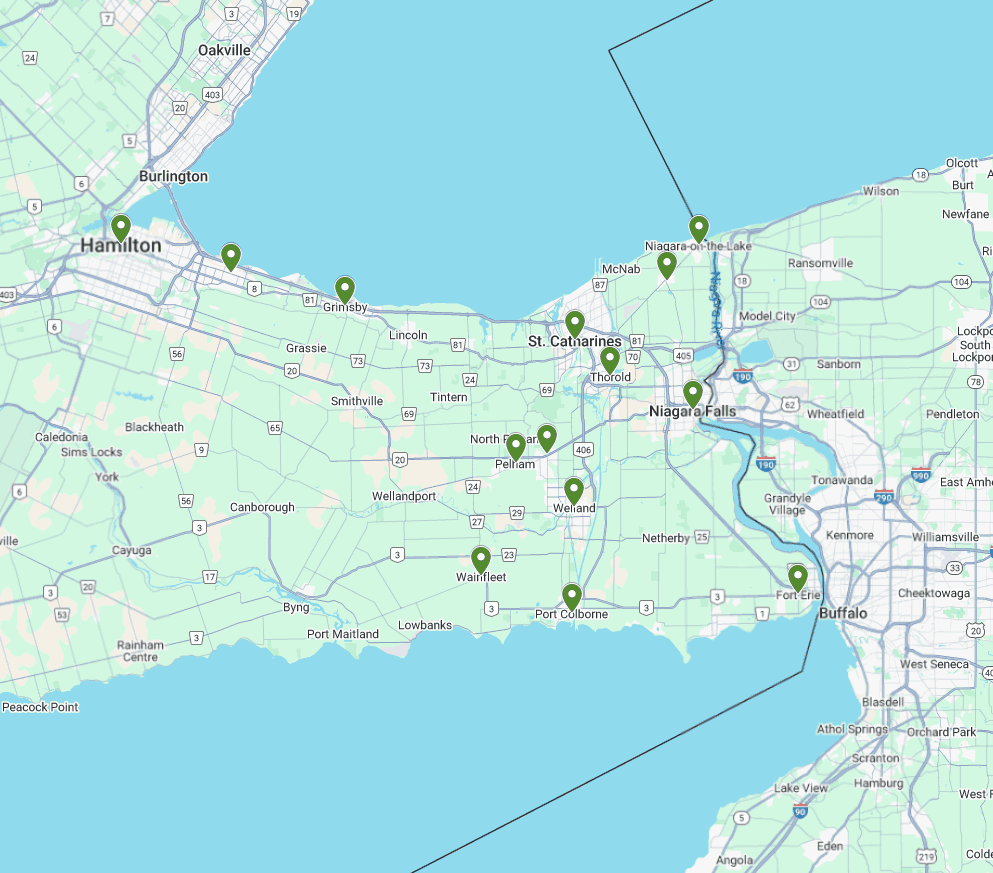
Our service areas encompass a wide range of locations, ensuring that we can meet the needs of our clients wherever they are. From bustling urban centers to serene rural landscapes, we are committed to providing top-notch services tailored to each unique environment.