



Furnace repair services in Niagara Falls, ON, emphasizing safety, speed, and clear communication. Expect rapid arrival, on-site diagnostics, comprehensive safety checks including carbon monoxide testing, and practical temporary heating solutions while technicians restore heat. The diagnostic process prioritizes safety, with remote triage, visual inspection, electrical testing, and thorough documentation. It also covers common failure scenarios, safety shutoffs, pricing transparency, and guidance for customers to stay safe and prepare for permanent repairs after service.
-min.jpeg)
Furnace Emergency-furnace-repair in Niagara Falls, ON
When your furnace fails in the middle of a cold Niagara Falls winter or during a sudden lake-effect snow event, you need dependable 24/7 emergency furnace repair that prioritizes safety, speed, and clear information. Emergency furnace repair in Niagara Falls, ON covers rapid response to restore heat, thorough safety checks such as carbon monoxide testing and emergency shutoffs, on-site diagnostics, and practical temporary heating solutions to protect your household while technicians work. This page explains what to expect from emergency service, common urgent failure scenarios in this region, and practical steps you can take while waiting for help.
Why 24/7 emergency furnace repair matters in Niagara Falls, ON
Niagara Falls experiences cold winters with occasional extended cold snaps and heavy snow driven by lake-effect weather. Homes and small businesses in the area often confront sudden heating loss at night or during weekends when regular service is unavailable. Beyond comfort, an unexpected furnace failure can put vulnerable family members at risk and increases the likelihood of carbon monoxide exposure, frozen pipes, and secondary damage. Reliable 24/7 emergency furnace repair minimizes those risks by combining rapid arrival, immediate safety checks, and quick temporary measures to keep occupants safe and warm.
Common emergency furnace issues in Niagara Falls, ON
- Faulty ignition or pilot failures: Ignition systems fail suddenly, leaving a furnace unable to light and produce heat.
- Blower motor or fan failure: A burned-out motor stops warm air circulation, causing uneven heating or no heat at all.
- Control board or relay short: Electrical component failure can cause intermittent operation or total shutdown.
- Clogged condensate or blocked vents: Snow, debris, or ice can block intake/exhaust vents, causing shutdowns or safety lockouts.
- Limit switch or thermostat failure: Overheat protection or thermostat faults can trip the furnace off unexpectedly.
- Gas supply interruptions or valve issues: Gas line or valve problems result in no fuel to the burner and are treated as high priority.
- Carbon monoxide alerts: CO detector activation requires immediate response and ventilation until the source is secured.
What an emergency diagnostic process includes
Emergency furnace repair focuses first on safety, then on restoring heat. Typical diagnostic steps include:
- Remote triage: Technicians may ask questions by phone to narrow likely causes and give immediate safety advice.
- On-site visual inspection: Check for obvious signs—burner flame, vent blockage, error codes, water leaks, and odor of gas.
- Safety checks: Carbon monoxide testing near the furnace and in living spaces, verification of proper venting, and checking for gas leaks.
- Electrical and component testing: Inspect control boards, ignition systems, motors, fuses, and limit switches with diagnostic tools.
- Functional test: After repair actions, the furnace is run through cycles to confirm stable operation and proper combustion where applicable.
- Documentation: Technicians note findings, repairs made, replaced parts, and any recommended follow-ups.
Safety checks included in emergency furnace repair
- Carbon monoxide (CO) testing in the furnace area and common living spaces to detect dangerous levels.
- Verification of proper venting and exhaust path to prevent CO backflow.
- Emergency gas shutoff procedures when a leak or unsafe condition is suspected.
- Electrical isolation and lockout of faulty components to prevent fire or shock hazards.
- Combustion and flame inspection to confirm safe burner operation once heat is restored.
- Clear communication about when a furnace should remain off (e.g., persistent CO, gas leak, or severe mechanical failure).
Temporary heating solutions while you wait
Emergency crews often provide guidance on safe temporary heating. Recommendations typically include:
- Use of portable electric space heaters in small, occupied rooms; always follow manufacturer instructions and never leave unattended.
- Avoid using ovens or gas ranges for heating, which can create CO hazards.
- Close off unused rooms and seal gaps to concentrate remaining heat where people sleep and gather.
- Layer clothing, use blankets, and create a warm room for seniors, infants, and pets.
- If power is out, battery-operated CO detectors and flashlights are essential; gas-powered portable heaters should only be used with adequate ventilation.
- If you have a whole-home generator, ensure it is connected and operated per safety guidelines to avoid backfeed hazards.
Parts availability and emergency repairs
Emergency technicians typically carry common replacement parts on service vehicles—igniters, flame sensors, ignition modules, thermostats, pressure switches, belts, and blower motors—to complete many repairs on the first visit. For less common or major failures (for example, cracked heat exchangers), a temporary fix or safe shutdown may be performed and a replacement scheduled. Emergency service providers should explain whether a repair is permanent, temporary, or a safety shutdown requiring immediate replacement.
Transparent emergency pricing: what to expect
Emergency repair pricing generally includes a dispatch or after-hours fee plus diagnostic labor, parts, and any overtime labor for complex work. A reputable emergency service will explain these components before beginning repairs when possible, provide an estimate for recommended work, and document replaced parts and labor. Transparent pricing helps you make an informed decision about repair versus replacement during an emergency.
What to do while waiting for emergency furnace repair in Niagara Falls
- If you smell gas, evacuate everyone from the home immediately and call the gas utility from a safe location; do not operate switches or appliances.
- If a CO alarm sounds, get everyone outside and to fresh air immediately and alert emergency responders.
- Keep access to the furnace clear and ensure an adult is present to meet the technician and provide system information such as model, age, and symptoms.
- Turn off power to the furnace if instructed and keep children and pets away from temporary heaters.
- Gather appliance manuals, warranty details, and previous service records if available—these speed diagnosis and decision-making.
Benefits of prompt emergency furnace repair and maintenance advice
Quick emergency response restores comfort and reduces the risk of carbon monoxide exposure, frozen plumbing, and costly secondary damage. Addressing urgent furnace problems promptly often prevents more extensive failures and can extend the service life of the equipment. After an emergency repair, scheduling a full safety and maintenance inspection before the next heating season is the best way to reduce the chance of repeat emergencies and improve efficiency in Niagara Falls homes and businesses.
This information describes what to expect from 24/7 emergency furnace repair in Niagara Falls, ON: fast, safety-first diagnostics, practical temporary heating guidance, on-truck parts for common issues, and transparent emergency pricing and procedures to protect your household during cold weather events.

Customer Testimonials

I called John today at 2:pm as my AC was not working and I wasn’t expecting even a call back as I knew with this hot weather we have had he would be swamped with calls. Well he called me back and showed at 8:pm on the same day to fix my AC. That is just incredible service and how much John really cares about his clients. Thank you John !

We had an amazing experience getting our new furnace installed with Niagara Home Heating. The owner was very helpful, their quote was more then competitive and the technician who installed the unit was professional and friendly. I would recommend their services.
Lifesavers!! The AC in our house decided to quit the day we were passing the keys to the new owners!! Instead of making a service call to the house, John coached me through the minor repair over the phone, saving me the money and time waiting for a repair person to come.Much appreciated! Thanks again John
I had an issue with my hot water tank and called Niagara Home Heating. Their service was fantastic and reasonably priced—exactly how a business should be run!
I have used Niagara Home heating for multiple projects for over 16 years. John and his staff are absolutely the best. I tell all my friends and family about Niagara Home Heating because you won’t get any better service or pricing anywhere in Niagara. He has saved me thousands and thousands of dollars and has never let me down.
Very efficient company. I needed an old solar water heater removed from my roof. They were quick to book an appointment for the next day after I sent photos. They were very knowledgeable of the issue. The 2 guys that came were friendly and competent with the job, including removal of all parts.

Service Areas
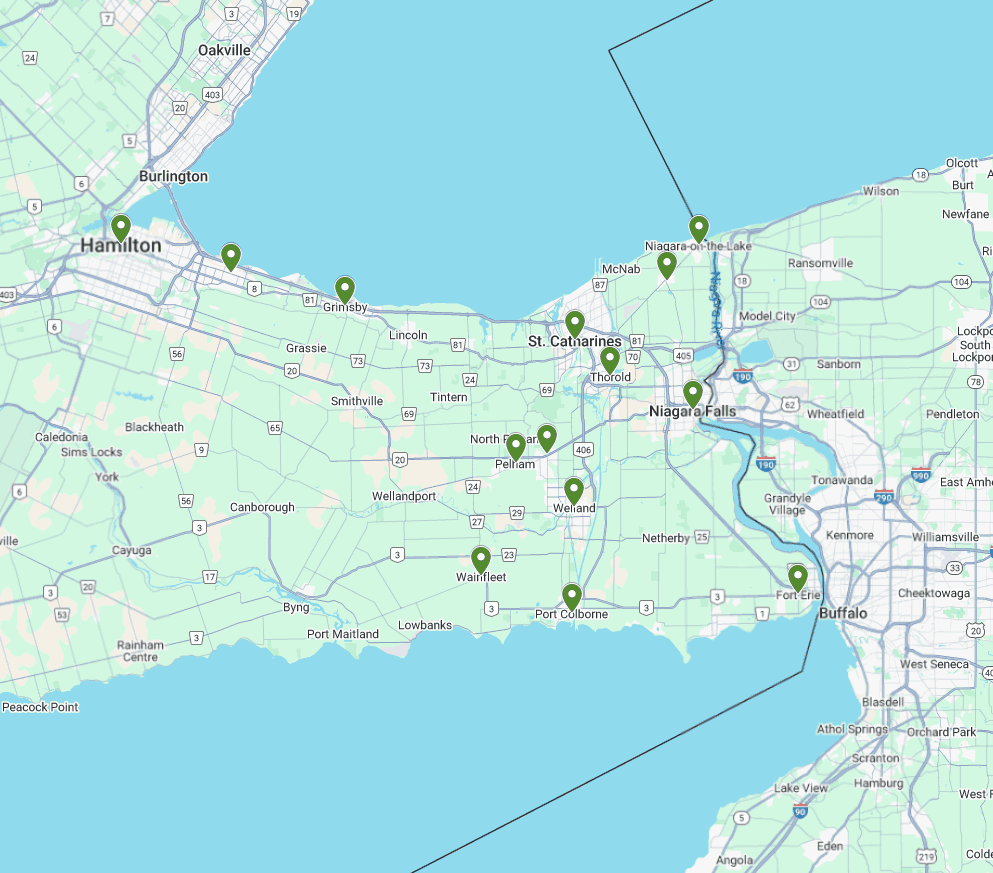
Our service areas encompass a wide range of locations, ensuring that we can meet the needs of our clients wherever they are. From bustling urban centers to serene rural landscapes, we are committed to providing top-notch services tailored to each unique environment.