



Why a furnace tune-up is essential for Niagara Falls homes, outlining safety, efficiency, and longevity benefits. It covers common issues such as clogged filters, miscalibrated thermostats, and dirty burners, and describes a comprehensive seasonal checklist from inspection and cleaning to lubrication, combustion analysis, and airflow assessment. Readers will learn how diagnostic testing, written reports with prioritized repairs, and practical maintenance guidance help prevent mid-winter failures and ensure reliable, cost-effective heating throughout the season.
-min.jpeg)
furnace tune-up in Niagara Falls, ON
A professional furnace tune-up in Niagara Falls, ON prepares your heating system for the cold months, improves safety, and helps lower energy costs. With cold, damp winters and frequent freeze-thaw cycles in the Niagara region, furnaces that go unchecked are more likely to suffer efficiency loss, component wear, and safety risks like carbon monoxide exposure. A seasonal tune-up identifies small problems before they become emergency repairs and gives you a clear, written picture of your furnace’s condition heading into peak heating season.
Why a furnace tune-up matters in Niagara Falls homes
- Niagara’s winters are long and humid, which increases condensation and corrosion risk in venting and metal components.
- Older housing stock and renovated homes can have dust, drywall or construction debris in ductwork and furnaces that reduce airflow and stress components.
- Local energy prices and longer run-times mean even small efficiency gains translate to measurable savings over a season.
- Safety is crucial: combustion issues and cracked heat exchangers are dangerous and must be found and fixed before winter.
Common furnace issues addressed during a tune-up in Niagara Falls
- Dirty or clogged air filters restricting airflow and reducing efficiency
- Miscalibrated thermostats causing short-cycling or uneven heating
- Worn blower motors or belts causing poor airflow and higher electric draw
- Dirty burners and pilot/ignition issues producing incomplete combustion
- Blocked or corroded vents and flues from lake-effect moisture and debris
- Loose electrical connections and failing safety controls
- Dust and particulate buildup from summer renovations or local pollen
Seasonal checklist — what a comprehensive tune-up includes
A complete furnace tune-up follows a standardized checklist to ensure reliability, performance, and safety.
- Inspection and cleaning
- Clean or replace the air filter and advise on the correct grade for your home
- Vacuum and wipe down the furnace cabinet, burners, and combustion chamber
- Remove dust and debris from blower assembly and accessible duct openings
- Lubrication and mechanical adjustments
- Lubricate blower bearings, motor shafts, and other moving parts when applicable
- Check and adjust belts, pulleys, and mounting hardware for proper tension and alignment
- Thermostat calibration
- Verify thermostat accuracy and recalibrate if needed
- Check thermostat placement and wiring for consistent temperature control
- Combustion analysis and safety checks
- Perform combustion analysis to measure carbon monoxide, oxygen, and combustion efficiency
- Inspect the heat exchanger visually for cracks or signs of corrosion
- Confirm all safety switches, limit controls, and flame sensors operate correctly
- Airflow and ventilation inspection
- Measure airflow and temperature rise across the heat exchanger
- Inspect venting, flue pipes, chimneys, and exterior terminations for blockages, corrosion, or animal nests
- Check return and supply ducts for leaks, disconnections, or heavy dust buildup
- Pilot/ignition system and electrical inspection
- Clean or test the pilot and electronic ignition system for reliable starts
- Tighten electrical connections and test motors, capacitors, and relays
Diagnostic and performance testing
A tune-up is not just basic cleaning. Technicians perform objective tests to confirm safe, efficient operation:
- Temperature rise check to ensure the furnace is heating within design range
- Static pressure and airflow measurements to identify duct or filter restrictions
- Combustion gas analysis to confirm proper fuel mixture and safe CO levels
- Operational cycle test to verify reliable ignition, run cycles, and shutdownThese tests allow technicians to diagnose inefficiencies, pinpoint failing components, and quantify performance before and after service.
Written report of findings with recommended repairs
After inspection and testing, you should receive a clear, written report that includes:
- A summary of performed procedures and measurement results (temperature rise, CO readings, airflow)
- Identified safety concerns or repair items prioritized by urgency
- Estimated remaining life of major components (heat exchanger, blower motor, ignition module)
- Recommended repairs or replacements, with explanations of how each item affects safety or efficiency
- Practical maintenance suggestions and timeline for follow-up serviceThis documentation helps homeowners understand condition, justify necessary repairs, and plan for winter expenses.
Tips to improve reliability and efficiency before peak heating season
- Replace filters on a regular schedule; higher-efficiency pleated filters improve air quality but need proactive changes
- Keep furnace area clear and vents unobstructed; snow, leaves, and lawn debris can block outdoor terminations
- Seal and insulate ducts in unheated spaces to reduce heat loss and balance airflow
- Consider a programmable or smart thermostat to reduce runtime and even out system cycles
- Maintain carbon monoxide detectors on every level and test them monthly
- Address small repairs promptly to avoid larger failures during extreme cold
- Schedule tune-ups annually in late summer or early fall to catch issues before the heating season
Benefits of an annual furnace tune-up in Niagara Falls, ON
Regular tune-ups improve safety, lower energy use, reduce the risk of mid-winter breakdowns, and extend the useful life of your heating system. For Niagara Falls homeowners, a pre-season inspection is especially valuable because local weather and regional housing factors can accelerate wear. A thorough tune-up provides peace of mind by verifying combustion safety, restoring efficient operation, and delivering a written plan for any repairs needed before temperatures drop.
A properly executed tune-up is a practical investment in home comfort and safety that pays off across the entire winter season.

Customer Testimonials

I had an issue with my hot water tank and called Niagara Home Heating. Their service was fantastic and reasonably priced—exactly how a business should be run!

I called John today at 2:pm as my AC was not working and I wasn’t expecting even a call back as I knew with this hot weather we have had he would be swamped with calls. Well he called me back and showed at 8:pm on the same day to fix my AC. That is just incredible service and how much John really cares about his clients. Thank you John !
Very efficient company. I needed an old solar water heater removed from my roof. They were quick to book an appointment for the next day after I sent photos. They were very knowledgeable of the issue. The 2 guys that came were friendly and competent with the job, including removal of all parts.
Lifesavers!! The AC in our house decided to quit the day we were passing the keys to the new owners!! Instead of making a service call to the house, John coached me through the minor repair over the phone, saving me the money and time waiting for a repair person to come.Much appreciated! Thanks again John
We had an amazing experience getting our new furnace installed with Niagara Home Heating. The owner was very helpful, their quote was more then competitive and the technician who installed the unit was professional and friendly. I would recommend their services.
I have used Niagara Home heating for multiple projects for over 16 years. John and his staff are absolutely the best. I tell all my friends and family about Niagara Home Heating because you won’t get any better service or pricing anywhere in Niagara. He has saved me thousands and thousands of dollars and has never let me down.

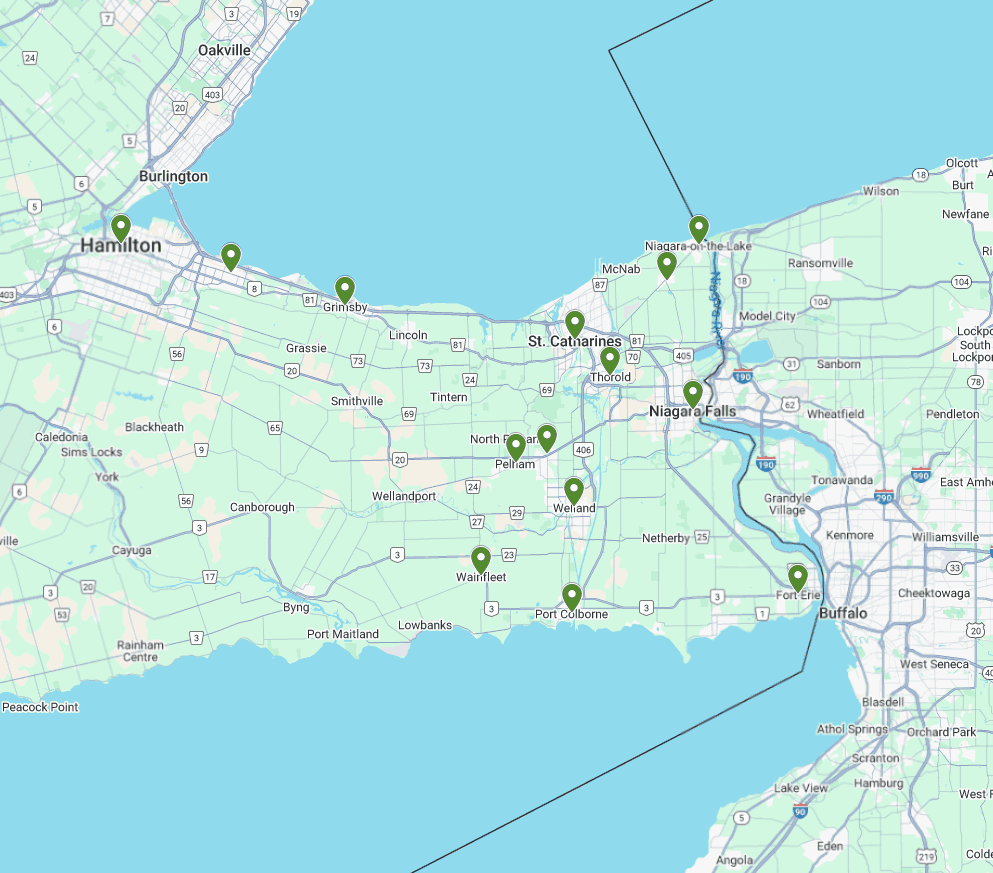
Service Areas
Our service areas encompass a wide range of locations, ensuring that we can meet the needs of our clients wherever they are. From bustling urban centers to serene rural landscapes, we are committed to providing top-notch services tailored to each unique environment.