



It describes a comprehensive heating tune-up for Niagara Falls homes, highlighting why fall and winter checks are essential to reliability, safety, and efficiency. It details the steps involved—cleaning, calibration, safety inspections, airflow assessments, and a final performance report—plus common local issues such as clogged filters, corroded vents, and short cycles. It explains the diagnostic process, typical repair recommendations, and the anticipated benefits: fewer breakdowns, lower energy use, longer equipment life, and improved comfort overall.
-min.jpeg)
Heating Tune-Up in Niagara Falls, ON
A professional heating tune-up is one of the smartest investments Niagara Falls homeowners can make before winter arrives. With cold, damp winters, lake-effect conditions, and frequent temperature swings, heating systems here work harder and face greater risk of mid-season failures. A comprehensive heating tune-up improves reliability, restores efficiency, and identifies safety risks before they become emergencies.
What a heating tune-up includes
A full heating tune-up covers mechanical, safety, and performance checks to return your furnace or heat pump to peak operating condition. Typical components include:
- System cleaning
- Remove dust, lint, and debris from burners, heat exchanger surfaces, blower assembly, and condensate lines to improve airflow and heat transfer.
- Calibration and controls
- Verify thermostat accuracy, check control board settings, and confirm proper cycle times so the system heats evenly and avoids short-cycling.
- Safety inspections
- Inspect heat exchanger for cracks, test for carbon monoxide (CO) leaks where applicable, check flue and venting, and verify safety limit switches and gas valve operation.
- Efficiency optimization
- Tune burners, adjust gas pressure or refrigerant charge on heat pumps, and ensure the blower speed and airflow are set for efficient combustion and distribution.
- Electrical and mechanical checks
- Tighten electrical connections, test capacitors and motors, lubricate bearings where applicable, and inspect belts and pulleys.
- Filter and airflow assessment
- Replace or recommend the correct air filter, inspect return and supply vents, and assess ductwork for leaks or blockages.
- System performance report
- Provide a clear summary of current system condition, detected issues, and recommended next steps or repairs.
Common heating tune-up issues in Niagara Falls homes
Local climate and housing stock shape the most frequent problems technicians find during tune-ups:
- Clogged filters and reduced airflow
- Humid, dusty conditions and high seasonal use mean filters load up faster, causing poor airflow and overheating.
- Corroded or blocked flues
- Salt air and moisture can accelerate corrosion in venting components, risking poor exhaust flow.
- Heat exchanger stress
- Older furnaces frequently show signs of fatigue after years of heavy winter use. Cracks or corrosion are a safety concern.
- Short cycling
- Rapid on/off cycles driven by wrong thermostat settings, poor airflow, or oversized equipment reduce comfort and shorten component life.
- Decreased heat pump performance
- Icing, low refrigerant, or worn reversing valves can reduce efficiency during shoulder seasons when heat pumps are often used.
- Dirty burners and ignition issues
- Combustion components collect soot and debris over the season, causing inefficient burning, delayed ignition, or flame instability.
Diagnostic process: what technicians check and why
A systematic tune-up starts with a careful inspection and testing sequence to pinpoint root causes:
Visual inspection
- Look for rust, loose components, soot, or signs of rodent activity in the cabinet and vents.
Airflow measurement
- Check filter condition, return/supply temperature difference, and blower function to ensure proper circulation.
- Combustion and safety testing (gas systems)
- Measure flame pattern, CO levels, and venting to ensure safe combustion and exhaust.
Electrical and motor testing
- Verify voltage, amperage, and motor health to detect failing capacitors or motors before failure.
Thermostat calibration and control logic
- Confirm accurate temperature readings and test control responses.
System-specific checks
- For heat pumps: defrost cycle, reversing valve action, and refrigerant levels. For boilers: burner efficiency and pressure controls.
Technicians combine these checks with years of local experience to prioritize repairs that will prevent winter breakdowns.
Repairs and solutions commonly recommended after a tune-up
Based on the findings, typical recommendations fall into maintenance, repair, or replacement categories:
- Replace air filters and clean duct registers to restore airflow.
- Clean burners, flame sensors, and condensate traps to prevent shutdowns.
- Seal or repair ductwork and insulation to reduce heat loss and balance rooms.
- Tighten electrical connections and replace failing capacitors or motors.
- Repair or replace faulty thermostats or zone controls to stop short cycling.
- For cracked heat exchangers or severely corroded flues, discuss safe replacement options.
When older equipment shows repeated failures, loss of efficiency, or safety concerns during inspection, planning for a replacement becomes a practical long-term solution. A tune-up clarifies whether targeted repairs will restore reliable service or replacement is the wiser choice.
Expected outcomes and benefits
After a professional heating tune-up in Niagara Falls, ON, most homeowners notice measurable improvements:
- Better reliability with reduced risk of mid-winter breakdowns.
- Lower energy bills thanks to restored efficiency and optimized controls.
- Longer equipment life by reducing stress on components and preventing premature failures.
- Improved comfort from steadier temperatures and fewer cold spots.
- Increased safety through verified venting, combustion checks, and CO testing.
Typical efficiency gains from a proper tune-up commonly range from modest to significant depending on system condition; many homeowners see noticeably lower run times and improved responsiveness after service.
Recommended frequency and homeowner maintenance tips
- Schedule a tune-up once per year for furnaces and boilers, ideally in early fall before sustained cold arrives.
- Heat pumps benefit from biannual attention if used for both heating and cooling; spring and fall inspections catch issues at shoulder seasons.
- Replace filters every 1 to 3 months depending on filter type, pets, and household dust levels.
- Keep vents and returns clear of furniture, curtains, and clutter to preserve airflow.
- Test CO detectors monthly and ensure detectors have fresh batteries; never ignore a detector alarm.
- Monitor unusual sounds or cycling and arrange an inspection if performance changes suddenly.
A timely tune-up combined with simple homeowner maintenance reduces emergency repairs and helps keep heating costs manageable throughout Niagara Falls winters.

Customer Testimonials

I called John today at 2:pm as my AC was not working and I wasn’t expecting even a call back as I knew with this hot weather we have had he would be swamped with calls. Well he called me back and showed at 8:pm on the same day to fix my AC. That is just incredible service and how much John really cares about his clients. Thank you John !

Lifesavers!! The AC in our house decided to quit the day we were passing the keys to the new owners!! Instead of making a service call to the house, John coached me through the minor repair over the phone, saving me the money and time waiting for a repair person to come.Much appreciated! Thanks again John
We had an amazing experience getting our new furnace installed with Niagara Home Heating. The owner was very helpful, their quote was more then competitive and the technician who installed the unit was professional and friendly. I would recommend their services.
Very efficient company. I needed an old solar water heater removed from my roof. They were quick to book an appointment for the next day after I sent photos. They were very knowledgeable of the issue. The 2 guys that came were friendly and competent with the job, including removal of all parts.
I had an issue with my hot water tank and called Niagara Home Heating. Their service was fantastic and reasonably priced—exactly how a business should be run!
I have used Niagara Home heating for multiple projects for over 16 years. John and his staff are absolutely the best. I tell all my friends and family about Niagara Home Heating because you won’t get any better service or pricing anywhere in Niagara. He has saved me thousands and thousands of dollars and has never let me down.

Service Areas
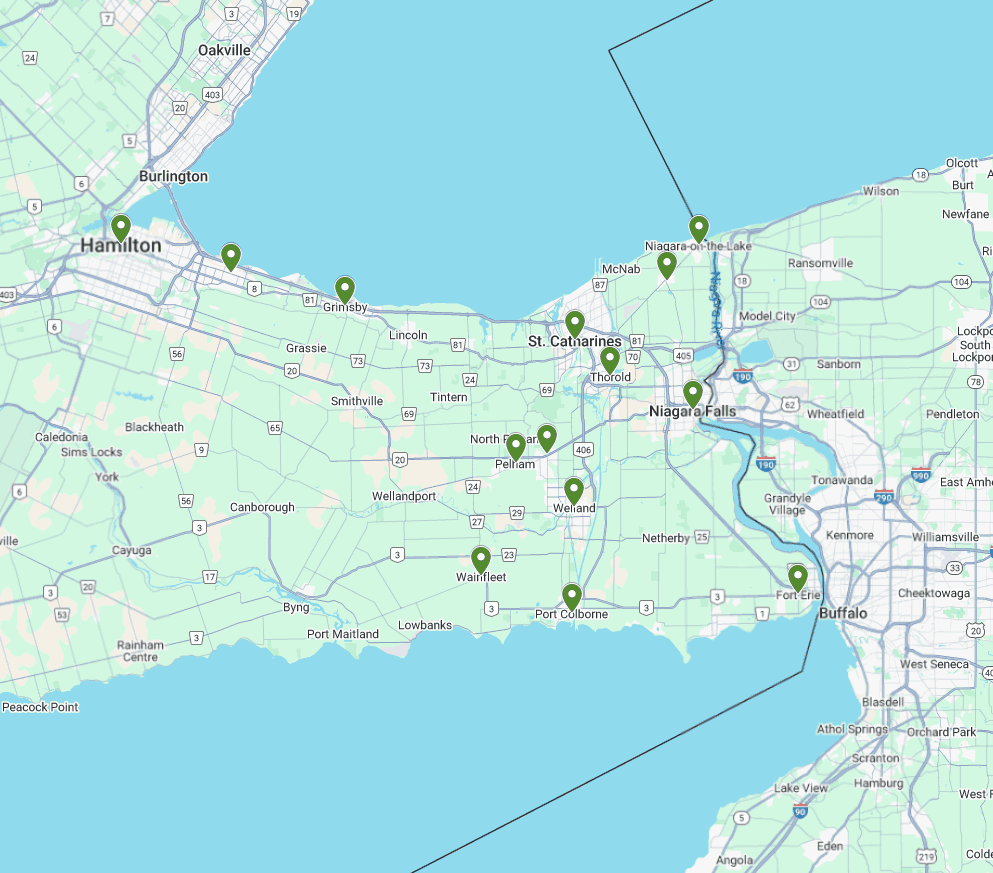
Our service areas encompass a wide range of locations, ensuring that we can meet the needs of our clients wherever they are. From bustling urban centers to serene rural landscapes, we are committed to providing top-notch services tailored to each unique environment.