



Emergency HVAC Service in Niagara Falls, ON delivers 24/7 rapid-response support for urgent heating and cooling failures, with on-site safety assessments, immediate-repair capability, and clear guidance for next steps. Our technicians diagnose quickly, isolate hazards, and provide temporary safety measures to protect residents while restoring essential comfort. We cover common emergencies from no heat to gas leaks, with transparent pricing, certified technicians, and documented follow-up inspections to ensure lasting reliability and peace of mind. Act now for fast, trusted help.
-min.jpeg)
Emergency HVAC Service in Niagara Falls, ON
When your heating or cooling system fails in the middle of a cold Niagara Falls winter night or during a humid summer heatwave, you need rapid, reliable help you can trust. Emergency HVAC Service in Niagara Falls, ON provides 24/7 rapid-response dispatch for urgent HVAC problems, combining on-site safety assessments, immediate-repair capability, and clear next-step guidance so your home stays safe and comfortable.
Why emergency HVAC service matters in Niagara Falls homes
Niagara Falls experiences cold, sometimes rapidly changing winter conditions with lake-effect snow and humid summers that put extra strain on furnaces, boilers, heat pumps, and air conditioners. Older housing stock and seasonal occupancy (vacation properties) increase the chance of unexpected failures. Quick professional intervention reduces safety risks (carbon monoxide, gas leaks, water damage) and prevents costly secondary damage like frozen pipes or mold.
Common emergency HVAC scenarios we handle
- No heat during cold weather (furnace failure, pilot outages, failed ignition systems)
- Complete air conditioner failure in extreme heat (compressor or electrical faults)
- Pilot light or ignition failures on gas appliances
- Confirmed or suspected gas leaks and carbon monoxide (CO) concerns
- Condensate or hot-water leaks, flooding from failed components
- Frozen or failed heat pumps during shoulder seasons
- Blower motor or electrical failures causing system shutdown
- Thermostat or control failures that render systems inoperable
Rapid-response dispatch and expected response times
Emergency HVAC services operate on a 24/7 dispatch model to prioritize safety calls. When an emergency call is received, a trained dispatcher triages the situation with focused questions (symptoms, CO alarm status, presence of gas smell, number of occupants, vulnerabilities). This triage determines the urgency, the technician qualifications required, and whether to advise immediate safety steps before arrival.
- Typical response times vary by time of day and call volume; in urban Niagara Falls areas, technicians are often dispatched within one hour, while peripheral or high-demand times may be longer.
- Trucks are stocked for common emergency repairs and temporary safety measures so technicians can often perform immediate fixes on first visit.
On-site diagnostic and immediate-repair procedures
Technicians follow a structured, safety-first process:
- Initial safety assessment: Check for CO with calibrated detectors, sniff for gas, and inspect visible water, flame, and electrical hazards. If a hazard is confirmed, the area is isolated and occupants are advised on safe actions.
- System triage and diagnostics: Visual inspection, electrical checks, control and sensor testing, fuel and venting inspection, and refrigerant/pressure checks as appropriate.
- Immediate-repair options: Replace failed ignition components, reset controls, repair condensate drains, replace accessible electrical components, and effect temporary bypasses to restore basic function when full repair or replacement is not feasible same-day.
- Documentation and explanation: Technicians document findings, explain required repairs or temporary measures in plain language, and outline recommended next steps.
Temporary safety measures you can expect
In emergencies, the goal is to make the home safe and the system stable until a permanent repair or replacement can be completed. Typical temporary measures include:
- Isolating and shutting off gas or power to a faulty appliance when unsafe
- Installing temporary heating elements or safe space heating recommendations (with safety guidance)
- Routing or unclogging condensate lines to prevent water damage
- Venting and ventilating when CO or gas is suspected and advising evacuation if needed
- Securing loose components to prevent further damage
Pricing transparency for emergency calls
Emergency calls are handled differently than scheduled service, and that is reflected in billing practices. Emergency services provide clear, upfront explanations of any emergency dispatch fee and how it applies. Technicians will provide a plain-language estimate for required repairs before starting nonemergency work during the visit. Any warranty or parts options are explained at that time so you understand short-term fixes versus full replacements. Pricing specifics vary by situation, and full transparency is provided prior to authorization.
Technician qualifications and certifications
Emergency HVAC technicians working in Niagara Falls are trained and certified to provincial and industry standards. Common qualifications include:
- Red Seal or equivalent trade certification for refrigeration and HVAC mechanics
- Gas appliance certification and provincial licensing where required for gas work
- Refrigerant handling certification (environmental and safety training)
- Electrical safety training and ongoing manufacturer-specific product training
- Regular background checks, on-the-job safety training, and first-aid/CPR awareness
These credentials ensure technicians can safely diagnose and repair gas, electrical, refrigerant, and combustion-related emergencies.
Warranty, follow-up service, and documentation
Emergency repairs typically come with clearly stated short-term warranties on parts and labour. Technicians provide written documentation of diagnostic findings, work performed, and recommended follow-up. Common policies include:
- Warranty coverage for replaced parts and labour for a defined period
- A recommended follow-up inspection or permanent repair if only a temporary measure was implemented
- Diagnostic fees applied toward later full repairs or replacements in many cases
Preventative tips to avoid future emergencies
Simple maintenance and checks reduce emergency callouts in Niagara Falls homes:
- Schedule annual furnace service in fall and an AC tune-up in spring before peak seasons
- Install and maintain CO detectors on every level and test them monthly
- Keep outdoor units clear of debris and snow; insulate exposed pipes and condensate lines in winter
- Replace thermostat batteries and test controls before extreme weather arrives
- Check for unusual noises, odors, or irregular cycling and address them early
Final notes on safety and preparedness
Emergency HVAC situations can escalate quickly. Prioritizing safety—CO detection, evacuating if a hazard is present, and shutting off fuel sources when advised—is critical. Professional emergency HVAC response in Niagara Falls, ON focuses on immediate safety, rapid diagnostics, transparent explanations, and durable next-step solutions tailored to the climate and home construction commonly found in the area. Regular preventive maintenance and timely attention to minor issues are the best ways to avoid emergency repairs altogether.

Customer Testimonials

We had an amazing experience getting our new furnace installed with Niagara Home Heating. The owner was very helpful, their quote was more then competitive and the technician who installed the unit was professional and friendly. I would recommend their services.

I have used Niagara Home heating for multiple projects for over 16 years. John and his staff are absolutely the best. I tell all my friends and family about Niagara Home Heating because you won’t get any better service or pricing anywhere in Niagara. He has saved me thousands and thousands of dollars and has never let me down.
I called John today at 2:pm as my AC was not working and I wasn’t expecting even a call back as I knew with this hot weather we have had he would be swamped with calls. Well he called me back and showed at 8:pm on the same day to fix my AC. That is just incredible service and how much John really cares about his clients. Thank you John !
Lifesavers!! The AC in our house decided to quit the day we were passing the keys to the new owners!! Instead of making a service call to the house, John coached me through the minor repair over the phone, saving me the money and time waiting for a repair person to come.Much appreciated! Thanks again John
I had an issue with my hot water tank and called Niagara Home Heating. Their service was fantastic and reasonably priced—exactly how a business should be run!
Very efficient company. I needed an old solar water heater removed from my roof. They were quick to book an appointment for the next day after I sent photos. They were very knowledgeable of the issue. The 2 guys that came were friendly and competent with the job, including removal of all parts.

Service Areas
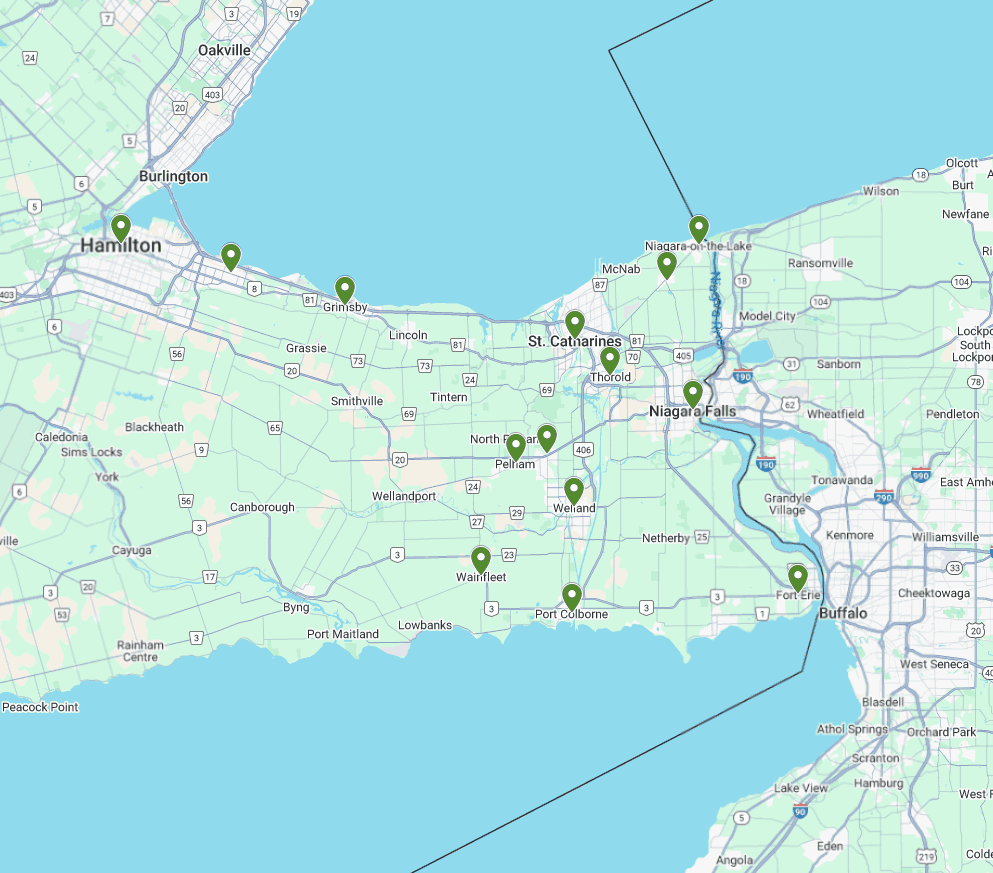
Our service areas encompass a wide range of locations, ensuring that we can meet the needs of our clients wherever they are. From bustling urban centers to serene rural landscapes, we are committed to providing top-notch services tailored to each unique environment.