



This page outlines a complete HVAC installation process for homes in Niagara Falls, ON, emphasizing accurate load calculations, proper ductwork, and smart control integration. It covers on-site assessments, Manual J sizing, equipment selection, permits, safety checks, and post-installation testing to ensure reliable, efficient performance. Readers learn what to expect on install day, common local issues, and strategies to avoid them, plus maintenance recommendations and warranty considerations that protect long-term comfort and energy savings for Niagara households.
-min.jpeg)
HVAC Installation in Niagara Falls, ON
Replacing or installing a new heating and cooling system is one of the most impactful upgrades you can make for comfort, energy bills, and indoor air quality. For homeowners in Niagara Falls, ON, the local climate — cold, snowy winters with lake-effect conditions and humid summers — makes correct system sizing, ductwork, and controls especially important. This page walks through the complete HVAC installation process so you know what to expect, common local issues, and how a professional install delivers reliable, efficient performance year after year.
Initial consultation and load calculations
A successful install starts with an accurate, on-site assessment. The goal is to match the right equipment to your home’s needs, not to oversize or undersize.
- Manual J load calculation: Technicians measure your home’s square footage, insulation levels, window types, orientation, air infiltration, and occupancy. This calculation predicts heating and cooling demand specific to Niagara Falls climate conditions.
- Existing system evaluation: Inspecting the current furnace, air handler, outdoor unit, duct layout, and electrical capacity reveals what can be reused or must be replaced.
- Site constraints: Basement locations, utility room clearances, chimney/venting options, and space for an outdoor condenser affect equipment selection.
Accurate load calculations prevent short cycling in cold weather, poor humidity control in summer, and unnecessary fuel or electricity use.
Ductwork and venting considerations
Duct design and installation are often the hidden determinants of comfort and efficiency.
- Duct sizing and layout: Properly sized ducts ensure balanced airflow to every room. Many Niagara homes, especially older properties, have undersized or leaky ducts that reduce system efficiency.
- Sealing and insulation: Sealing joints with mastic or approved tape and insulating ducts in unconditioned spaces prevents heat loss in winter and heat gain in summer.
- Venting for combustion appliances: For gas furnaces, correct flue and fresh-air intake sizing is critical for safe, efficient operation and to meet code.
- Ductless and zoned options: For renovations or rooms without existing ductwork, ductless mini-splits or zoning dampers provide targeted comfort and improved efficiency.
A thorough duct inspection during the consultation typically uncovers inexpensive fixes that produce measurable performance improvements.
Thermostat and controls integration
Controls are the interface between you and the system; they also unlock energy savings.
- Smart and programmable thermostats: Properly configured controls adapt to seasonal variations and your routine, reducing wasted heating or cooling.
- Zoning systems: Multiple thermostats tied to zone dampers deliver different temperatures across living areas, ideal for multi-level Niagara homes.
- Heat pump compatibility: If installing a heat pump or hybrid system, controls must manage defrost cycles, auxiliary heat, and efficient staging.
- Integration with home systems: Wi-Fi thermostats and home automation can be set up for remote monitoring and alerts, improving comfort and maintenance awareness.
Controls are calibrated during start-up so setpoints and schedules behave as intended in local conditions.
Permits, code compliance, and safety
Proper permitting and compliance ensure the installation meets municipal and provincial regulations.
- Local permits: Installations requiring gas line changes, major electrical work, or structural modifications typically need permits and inspections.
- Code compliance: Equipment placement, clearances, venting, combustion air requirements, and refrigerant handling follow Ontario building and fuel codes.
- Safety checks: Combustion safety, carbon monoxide safeguards, and electrical protections are verified before the system is put into service.
Following code avoids costly rework and ensures safe operation through Niagara’s varying seasons.
What customers can expect on install day
A professional install is organized, respectful of your home, and transparent about timing and process.
- Preparation: Technicians protect floors and furniture, lay down runners, and set up waste containment for old equipment and packaging.
- Removal and replacement: Old units are safely disconnected and removed. New equipment is set, connected to duct, electrical, gas, and condensate lines, and installed per manufacturer specifications.
- Communication: Installers review the sequence and expected duration, explain any unexpected findings, and confirm final equipment locations before proceeding.
- Clean-up: Work areas are cleaned, protective coverings removed, and debris disposed of responsibly.
Install day timelines vary by scope but follow predictable phases so you know what to expect throughout the day.
Quality-check procedures and post-installation testing
After mechanical work is complete, thorough testing verifies performance and safety.
- System start-up and tuning: Blower speed, gas valve settings, and sequencing are adjusted for optimal operation.
- Airflow and static pressure checks: These confirm balanced delivery and identify any remaining duct restrictions.
- Refrigerant charge and leak checks: Proper refrigerant levels ensure efficient cooling and long compressor life.
- Combustion and safety tests: For gas appliances, combustion analysis and CO checks ensure safe, efficient burning.
- Thermostat calibration and zone balancing: Final adjustments guarantee setpoint accuracy and even temperature distribution.
You should receive documentation of tests, equipment model and serial numbers, and basic operating instructions for your new system.
Common installation issues in Niagara Falls and how they’re avoided
Buying the right equipment is only half the story. Common problems encountered locally include:
- Oversized equipment: Causes short cycling and poor humidity control. Prevented by accurate load calculations.
- Leaky or undersized ducts: Reduces capacity and efficiency. Prevented by sealing, proper sizing, and insulation.
- Incorrect refrigerant charge or airflow: Lowers cooling performance and damages compressors. Avoided through proper charging and airflow verification.
- Improper venting or combustion air: Creates safety hazards. Prevented by following code and performing combustion tests.
Professional installers catch these during the assessment and correct them during installation.
Warranty, documentation, and maintenance advice
A professional installation includes documentation and guidance to protect your investment.
- Warranty records: Manufacturer and installation warranties should be recorded and provided with the system paperwork.
- Recommended maintenance: Seasonal tune-ups—fall for heating and spring for cooling—maintain efficiency and prolong equipment life.
- Filter and IAQ recommendations: Upgrading to higher-quality filters, using humidifiers/dehumidifiers as needed, and addressing ventilation improves comfort in Niagara’s humid summers and dry winters.
- Energy and rebate considerations: Selecting equipment with appropriate efficiency ratings pays dividends in lower utility bills and may qualify for local incentive programs.
Proper maintenance and timely documentation preserve warranty coverage and system performance.
Conclusion
A quality HVAC installation in Niagara Falls, ON combines precise load calculations, correct ductwork and venting, smart control integration, code-compliant work, and rigorous testing. When these elements come together, homeowners gain consistent comfort through cold lake-effect winters and humid summers, improved indoor air quality, and lower ongoing energy costs. Choosing an installation process that emphasizes accuracy, safety, and long-term serviceability is the most reliable way to protect your home and HVAC investment.

Customer Testimonials

Very efficient company. I needed an old solar water heater removed from my roof. They were quick to book an appointment for the next day after I sent photos. They were very knowledgeable of the issue. The 2 guys that came were friendly and competent with the job, including removal of all parts.

I have used Niagara Home heating for multiple projects for over 16 years. John and his staff are absolutely the best. I tell all my friends and family about Niagara Home Heating because you won’t get any better service or pricing anywhere in Niagara. He has saved me thousands and thousands of dollars and has never let me down.
We had an amazing experience getting our new furnace installed with Niagara Home Heating. The owner was very helpful, their quote was more then competitive and the technician who installed the unit was professional and friendly. I would recommend their services.
I had an issue with my hot water tank and called Niagara Home Heating. Their service was fantastic and reasonably priced—exactly how a business should be run!
I called John today at 2:pm as my AC was not working and I wasn’t expecting even a call back as I knew with this hot weather we have had he would be swamped with calls. Well he called me back and showed at 8:pm on the same day to fix my AC. That is just incredible service and how much John really cares about his clients. Thank you John !
Lifesavers!! The AC in our house decided to quit the day we were passing the keys to the new owners!! Instead of making a service call to the house, John coached me through the minor repair over the phone, saving me the money and time waiting for a repair person to come.Much appreciated! Thanks again John

Service Areas
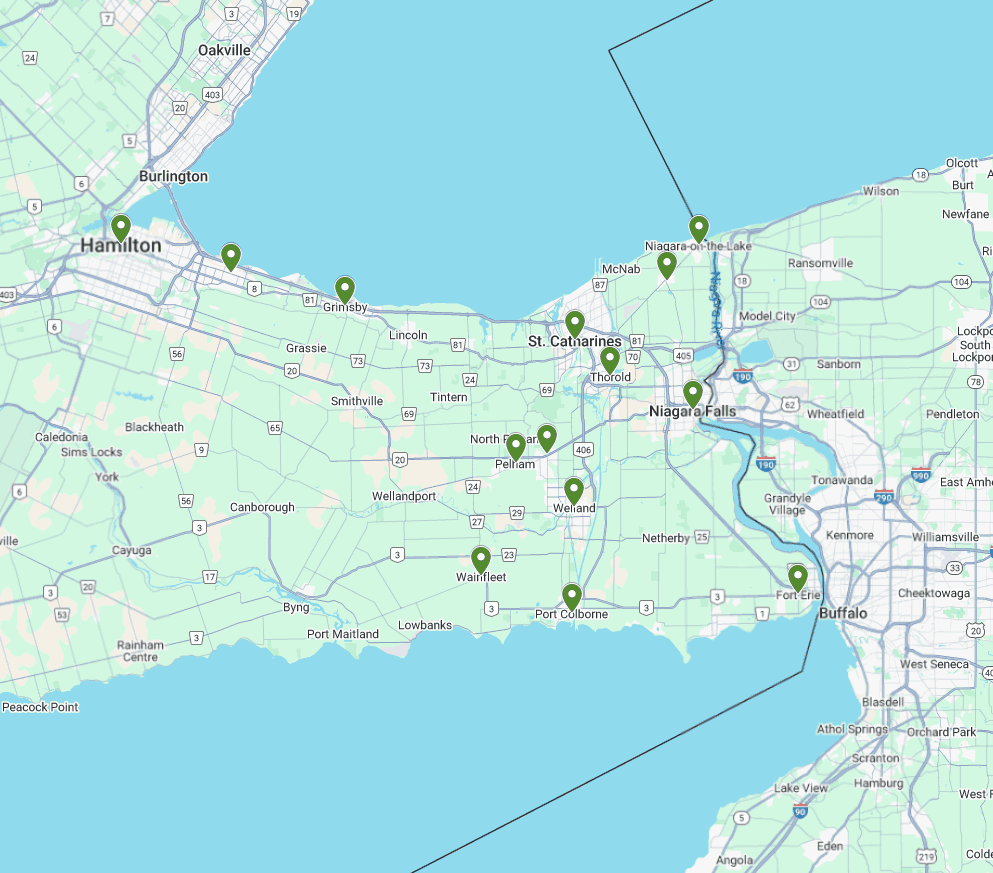
Our service areas encompass a wide range of locations, ensuring that we can meet the needs of our clients wherever they are. From bustling urban centers to serene rural landscapes, we are committed to providing top-notch services tailored to each unique environment.