



It describes emergency HVAC services for Pelham, ON, detailing 24/7 rapid-response options for sudden heating or cooling failures, potential gas and carbon monoxide concerns, and on-site diagnostics. Readers learn what to expect from an emergency visit, including safety assessments, temporary stabilization, and clear repair or replacement pathways. The guide covers dispatch procedures, technician qualifications, pricing transparency, and strategies to prevent emergencies, helping homeowners act quickly to restore comfort and safety in urgent situations. This page also emphasizes choosing qualified providers and planning ahead.
-min.jpeg)
Emergency HVAC Service in Pelham, ON
When your heating or cooling system fails, every minute matters. Emergency HVAC service in Pelham, ON delivers 24/7 rapid response for homeowners facing sudden no-heat nights, complete air conditioning breakdowns during heat spells, or suspected gas and carbon monoxide concerns. what to expect from a professional emergency HVAC response in Pelham, common emergency scenarios in local homes, how technicians diagnose and stabilize systems on-site, and your options for repair, temporary solutions, and replacement — all in clear, decision-stage language so you can act confidently when an urgent problem occurs.
Why fast emergency HVAC service matters in Pelham
Pelham’s climate swings from cold, wet winters to humid summers. A furnace failure in January or a broken AC during a summer heat wave creates immediate comfort and safety risks for families, older adults, and anyone with health needs. Many Pelham homes are older or semi-rural, which can complicate access and extend downtime if a rapid-response plan is not in place. Timely 24/7 emergency HVAC service reduces risk, limits property damage, and prevents secondary issues like frozen pipes or heat-related illness.
Common emergency HVAC scenarios in Pelham
- Complete furnace failure or repeated lockouts during freezing temperatures
- No heat or intermittent heating making indoor temperatures unsafe
- Sudden loss of air conditioning during extreme heat
- Loss of hot water tied to boilers or hot water tanks
- Suspected gas leaks, pilot light failures, or odor of natural gas
- Carbon monoxide (CO) alarm activation or suspected CO exposure
- Electrical faults, burning smells, smoke from HVAC equipment
- Heat pump failures in shoulder seasons when systems cycle between heat and cooling
Rapid response and dispatch procedures
Emergency HVAC providers use a prioritized dispatch process to minimize response times during peak demand. Typical elements include:
- 24/7 hotline or emergency dispatch queue staffed by a triage agent who documents symptoms and risk factors (presence of children, seniors, or medical needs).
- Immediate advice to keep occupants safe (evacuate if gas smell or CO alarm; turn off equipment if unsafe).
- Assignment of the nearest qualified technician with emergency kits and parts.
- Estimated arrival communicated based on address and local road conditions.
In Pelham, expect shorter arrival windows for homes near the town centre and slightly longer for more rural properties; many emergency services aim to reach urban areas within about one hour and outlying locations within two to three hours depending on conditions.
On-site diagnostics and temporary stabilizing work
A professional emergency visit follows a rapid, safety-first sequence:
- Safety assessment: technicians check for gas odor, CO levels, electrical hazards, and immediate fire risk. If a gas leak or CO concern exists, the priority is evacuation and safe ventilation.
- Basic system checks: power, thermostat, filters, vents, and error codes are reviewed to identify quick fixes.
- Targeted diagnostics: combustion analysis for furnaces, refrigerant and compressor checks for AC, and pressure and leak tests for hot water systems.
- Temporary fixes: emergency control board resets, bypassing failed components to restore heat or cooling temporarily, or secure shutoffs to prevent further damage. Temporary measures are designed to keep occupants safe until permanent repairs or replacements can be scheduled.
Technicians come equipped to perform both temporary stabilization and many full repairs on the same visit, reducing downtime whenever possible.
Full repair vs. replacement options
After diagnostics, technicians will explain the options in plain language:
- Repair: Replace a failed part, correct a refrigerant leak, or repair ignition and control systems. Emergency repairs are ideal when the rest of the system is in good condition.
- Short-term solution plus scheduled follow-up: Install a temporary repair to restore safe operation now, then schedule a planned replacement or comprehensive repair.
- Replacement: Recommended when equipment is unreliable, inefficient, or near end-of-life. In emergencies, technicians can often provide interim heating or cooling solutions and arrange a faster installation timeline for replacement equipment.
Technicians will review the safety, cost-effectiveness, and expected lifespan implications of each choice so you can decide based on the needs of your Pelham home.
Safety protocols and technician qualifications
Safety is non-negotiable in emergency HVAC work. Expect technicians to:
- Follow provincial codes and manufacturer safety requirements
- Use personal protective equipment and maintain clean work practices in your home
- Test for carbon monoxide and verify combustion safety after any furnace repair
- Secure gas fittings and, when necessary, isolate equipment until the gas utility or certified technician makes it safe
Technicians dispatched to emergencies have specialized training in gas appliances, CO safety, and electrical diagnostics. They should be licensed and carry documentation of qualifications and safety training.
Transparent emergency pricing, warranties, and financing options
Emergency calls typically include a clearly explained service fee and a breakdown of labor and parts required for the repair. While specific prices vary by job and parts, reputable providers give a transparent estimate before work begins except when immediate action is required for safety. Emergency repairs often carry a limited service warranty; full replacements include manufacturer warranties. For larger replacement projects, many providers offer financing or flexible payment plans to spread cost over time.
How to schedule urgent service
In urgent situations, use your regular provider’s emergency contact method or the emergency hotline listed on your service agreement. Provide your address, the nature of the emergency, and any safety concerns (gas odor, CO alarm, vulnerable occupants). If you do not have a pre-established provider, ask any service to confirm response time and technician qualifications before they dispatch.
Tips to reduce the risk of HVAC emergencies in Pelham
- Keep filters clean and change them seasonally to prevent airflow issues.
- Schedule annual heating and cooling tune-ups to catch developing problems early.
- Install and regularly test CO detectors and smoke alarms; replace batteries annually.
- Protect outdoor units from debris and snow buildup.
- Know the location of your gas shutoff and electrical panel, and keep clear access to your furnace and outdoor condensing units.
- Address odd smells, noises, or performance drops promptly—small signs often precede major failures.
Emergency HVAC service in Pelham, ON is about fast, safe restoration of comfort and protection for your household. Understanding typical response procedures, what to expect on-site, and the options for repair or replacement empowers you to make informed decisions quickly when an urgent HVAC issue arises. Regular maintenance and quick attention to warning signs remain the best defense against emergencies.

Customer Testimonials

Very efficient company. I needed an old solar water heater removed from my roof. They were quick to book an appointment for the next day after I sent photos. They were very knowledgeable of the issue. The 2 guys that came were friendly and competent with the job, including removal of all parts.

We had an amazing experience getting our new furnace installed with Niagara Home Heating. The owner was very helpful, their quote was more then competitive and the technician who installed the unit was professional and friendly. I would recommend their services.
I have used Niagara Home heating for multiple projects for over 16 years. John and his staff are absolutely the best. I tell all my friends and family about Niagara Home Heating because you won’t get any better service or pricing anywhere in Niagara. He has saved me thousands and thousands of dollars and has never let me down.
I called John today at 2:pm as my AC was not working and I wasn’t expecting even a call back as I knew with this hot weather we have had he would be swamped with calls. Well he called me back and showed at 8:pm on the same day to fix my AC. That is just incredible service and how much John really cares about his clients. Thank you John !
I had an issue with my hot water tank and called Niagara Home Heating. Their service was fantastic and reasonably priced—exactly how a business should be run!
Lifesavers!! The AC in our house decided to quit the day we were passing the keys to the new owners!! Instead of making a service call to the house, John coached me through the minor repair over the phone, saving me the money and time waiting for a repair person to come.Much appreciated! Thanks again John

Service Areas
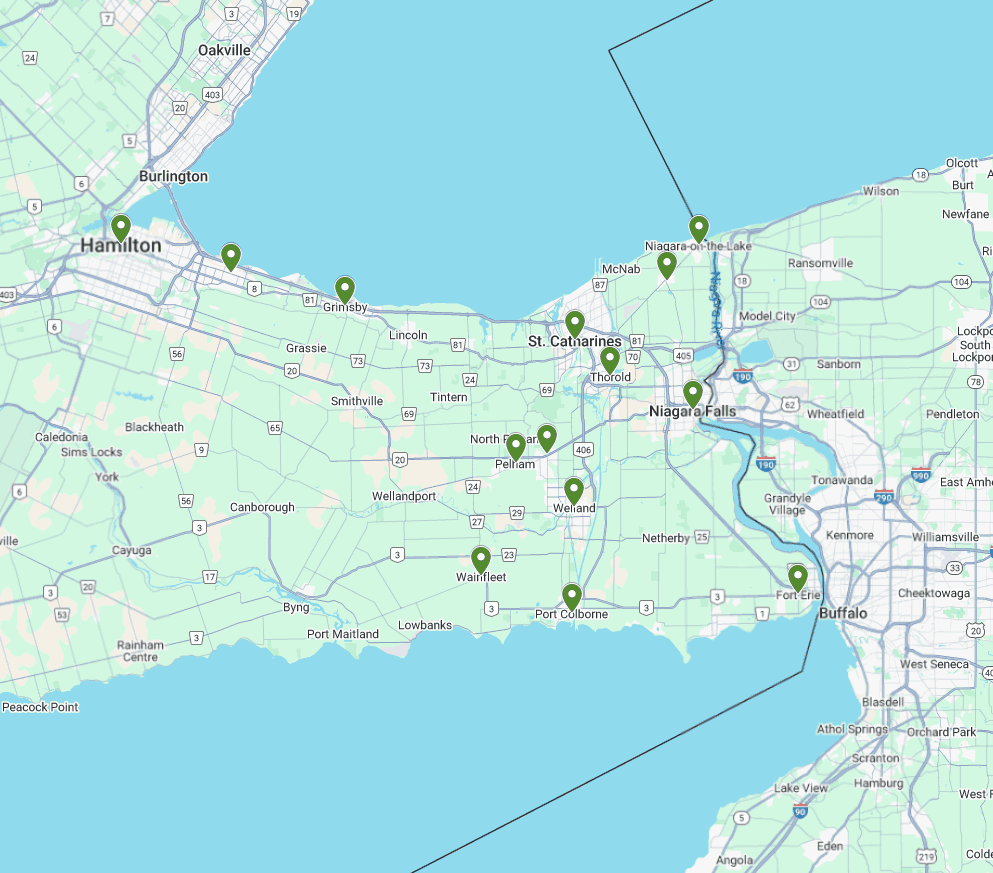
Our service areas encompass a wide range of locations, ensuring that we can meet the needs of our clients wherever they are. From bustling urban centers to serene rural landscapes, we are committed to providing top-notch services tailored to each unique environment.