



HVAC installation in Pelham, ON covers the full process from pre-installation assessment to commissioning. This guide describes site evaluations, equipment sizing, ductwork design, permits, and safety checks, tailored to Pelham's climate and homes. It highlights selecting high-efficiency furnaces and heat pumps, ensuring proper duct sealing, and coordinating with Ontario codes. Step-by-step installation, testing, and system commissioning are outlined, along with tips for first-time owners to maintain performance, protect warranties, and maximize comfort and energy savings year-round.
-min.jpeg)
HVAC Installation in Pelham, ON
Installing a new HVAC system is one of the most important home investments for Pelham homeowners. With cold, often snowy winters and humid summer months in the Niagara Region, a correctly designed and installed heating and cooling system protects comfort, reduces energy bills, and avoids costly callbacks. the full new HVAC installation process for Pelham, ON homes: from the pre-installation assessment and equipment selection to ductwork, permitting, commissioning, and practical first-time owner tips.
Why proper HVAC installation matters in Pelham, ON
Pelham’s seasonal extremes increase heating loads in winter and cooling needs in summer. Older homes in Pelham and surrounding rural properties commonly have undersized or poorly sealed ductwork, outdated furnaces, or inadequate ventilation. A professional installation that accounts for local climate, house construction, and occupancy patterns ensures:
- Reliable comfort through temperature swings
- Lower utility costs with properly sized, efficient equipment
- Improved indoor air quality and humidity control
- Longer equipment life and preserved warranty coverage
Common HVAC installation projects in Pelham
- Furnace and air handler replacement (high-efficiency gas or electric models)
- Central air conditioner or heat pump installation (including cold-climate heat pumps)
- Ductless mini-split system installation for additions or homes without ducts
- Full-system replacements combining furnace, AC/heat pump, and ventilation
- Ductwork replacement, sealing, and reconfiguration for renovations or new systems
- Ventilation upgrades: HRV/ERV installations for tight, modernized homes
Pre-installation site assessment: what we evaluate
A thorough site assessment is the foundation of any successful HVAC installation. Typical evaluations include:
- Home size, layout, insulation levels, window exposure, and orientation
- Existing ductwork condition, layout, and static pressure measurements
- Fuel type and venting options (natural gas lines, electrical service)
- Combustion appliance safety and carbon monoxide pathways
- Ventilation needs based on occupancy and tightness of the building envelope
- Accessibility and placement constraints for new equipment
This on-site review drives accurate equipment sizing and reveals any required duct or ventilation repairs before installation begins.
Equipment selection and sizing
Correct sizing is essential. Oversized equipment cycles too frequently, increasing wear; undersized equipment cannot meet demand. Sizing is based on a heat loss/heat gain calculation that considers local climate factors, insulation, and windows. Key selection factors:
- Furnace efficiency (AFUE) and heat pump/AC efficiency (SEER, HSPF)
- Capacity in BTU or tons appropriate to calculated loads
- Compatibility with existing ductwork and thermostat systems
- Indoor air quality needs (filters, humidifiers, ERV/HRV options)
- Long-term operating costs and expected lifespan
For Pelham homes, cold-climate heat pumps are increasingly popular to reduce reliance on fossil fuels while still providing dependable winter heat in moderate cold spells.
Ductwork and ventilation considerations
Ductwork often determines system performance more than the equipment itself. Important duct considerations:
- Sealing and insulating ducts to minimize heat loss and condensation
- Properly sized trunk and branch ducts to balance airflow room-to-room
- Return locations to ensure even air distribution and avoid pressure imbalances
- Ventilation upgrades such as HRV/ERV to control humidity and bring fresh air into tight homes
Older homes in Pelham may require duct reconfiguration during installation to ensure efficient airflow and to prevent short-cycling or hot/cold rooms.
Professional installation steps and safety checks
A professional installation follows a consistent sequence to meet safety and performance standards:
- Finalize equipment selection and confirm site measurements
- Obtain required permits and schedule inspections per Ontario regulations
- Remove old equipment, cap and test existing fuel or electrical connections
- Install new furnace/heat pump/AC and secure appropriate venting or condensate piping
- Replace or modify ductwork, including sealing and insulation where needed
- Connect controls and thermostats, and verify electrical and gas connections
- Conduct safety checks: gas leaks, combustion appliance ventilation, flue integrity, and carbon monoxide pathways
- Commission the system with airflow, refrigerant charge (for heat pumps/AC), and combustion analysis (for gas furnaces)
Each step includes documented safety checks to satisfy municipal inspectors and provincial standards.
Permitting and code compliance in Ontario
Installations in Pelham must comply with the Ontario Building Code, municipal permit requirements, and safety rules governing fuel-fired appliances. Gas appliance work often falls under Technical Standards and Safety Authority (TSSA) oversight. Proper permits and inspections:
- Ensure installations meet structural, mechanical, electrical, and combustion safety standards
- Preserve warranty eligibility from manufacturers
- Protect homeowners by confirming installation was inspected and approved
System testing and commissioning
Commissioning confirms the system operates as designed:
- Measure airflow (CFM) to each register and adjust dampers for balance
- Verify refrigerant charge and superheat/subcooling for cooling systems
- Test thermostat calibration and control logic (staging, humidity control, timers)
- Perform combustion efficiency and safety checks on gas equipment
- Run complete performance cycles to ensure consistent room temperatures
Proper commissioning reduces callbacks and maximizes long-term efficiency.
Tips for first-time system owners in Pelham
- Allow a 30-day run-in period for a new system; monitor energy use and comfort, then report anomalies
- Keep replacement air filters on hand and change per manufacturer recommendations (often every 3 months)
- Program a modern thermostat for sensible setbacks and consistent humidity control
- Schedule annual heating and cooling tune-ups to maintain efficiency and validate warranty terms
- Consider an HRV/ERV if you’ve recently tightened your home to prevent stale, humid air
- Keep outdoor units clear of snow, leaves, and debris; maintain 60 cm clearance for airflow
Long-term benefits and maintenance
A properly installed HVAC system delivers sustained comfort, lower energy bills, and fewer emergency repairs. Routine maintenance—seasonal inspections, filter changes, and periodic duct checks—keeps systems operating at peak efficiency and protects warranties. For Pelham homeowners, investing in professional installation tailored to local weather and home construction means a safer, more comfortable home year-round with predictable operating costs.
This overview covers the critical steps and decisions for HVAC installation in Pelham, ON. Thoughtful assessment, correct sizing, careful ductwork, code-compliant permitting, and meticulous commissioning are the elements that separate a reliable long-term system from a short-lived compromise.

Customer Testimonials

Lifesavers!! The AC in our house decided to quit the day we were passing the keys to the new owners!! Instead of making a service call to the house, John coached me through the minor repair over the phone, saving me the money and time waiting for a repair person to come.Much appreciated! Thanks again John

I have used Niagara Home heating for multiple projects for over 16 years. John and his staff are absolutely the best. I tell all my friends and family about Niagara Home Heating because you won’t get any better service or pricing anywhere in Niagara. He has saved me thousands and thousands of dollars and has never let me down.
We had an amazing experience getting our new furnace installed with Niagara Home Heating. The owner was very helpful, their quote was more then competitive and the technician who installed the unit was professional and friendly. I would recommend their services.
I called John today at 2:pm as my AC was not working and I wasn’t expecting even a call back as I knew with this hot weather we have had he would be swamped with calls. Well he called me back and showed at 8:pm on the same day to fix my AC. That is just incredible service and how much John really cares about his clients. Thank you John !
I had an issue with my hot water tank and called Niagara Home Heating. Their service was fantastic and reasonably priced—exactly how a business should be run!
Very efficient company. I needed an old solar water heater removed from my roof. They were quick to book an appointment for the next day after I sent photos. They were very knowledgeable of the issue. The 2 guys that came were friendly and competent with the job, including removal of all parts.

Service Areas
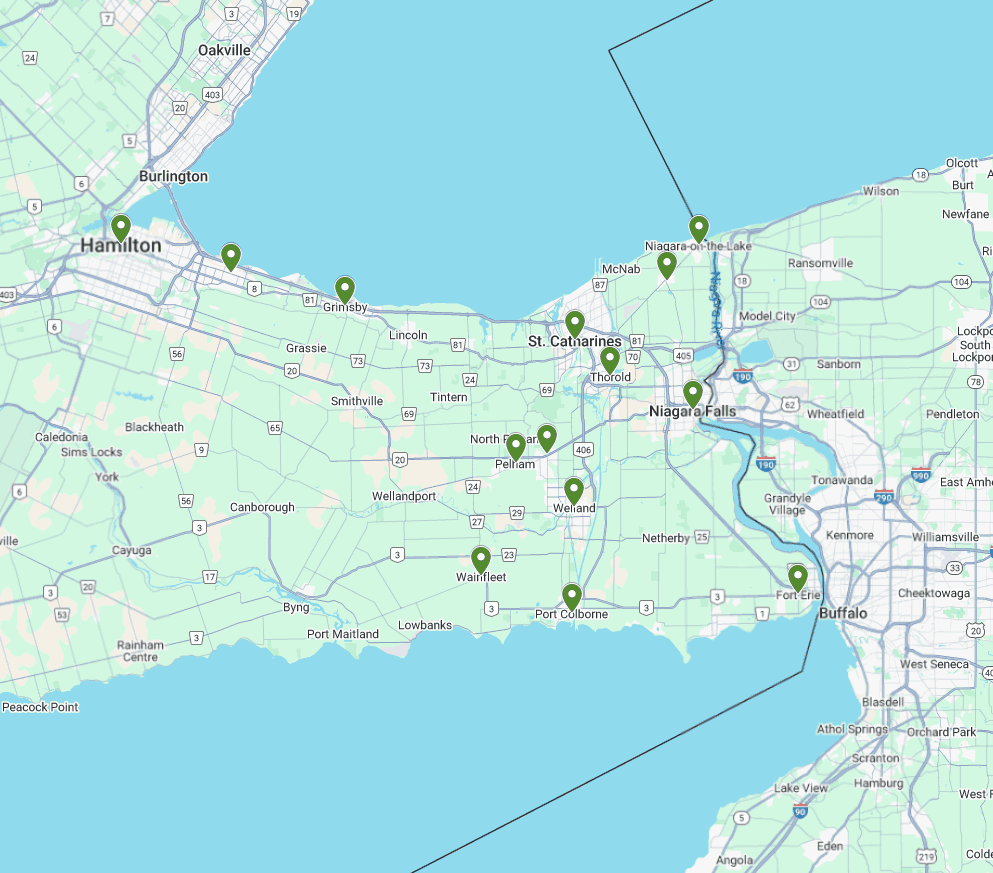
Our service areas encompass a wide range of locations, ensuring that we can meet the needs of our clients wherever they are. From bustling urban centers to serene rural landscapes, we are committed to providing top-notch services tailored to each unique environment.