



Pelham, ON homeowners can rely on professional HVAC maintenance to keep heating and cooling systems efficient and reliable. The guide describes local climate stresses, common issues, and how routine tune-ups prevent breakdowns, reduce energy use, and improve indoor air quality. It outlines what a seasonal visit includes, from filter changes and coil cleaning to refrigerant checks and safety tests, plus year-round diagnostics. It also covers recommended service frequencies, maintenance plans, and the long-term benefits of proactive care.
-min.jpeg)
HVAC Maintenance in Pelham, ON
Keeping your heating and cooling system tuned and inspected is one of the smartest investments for Pelham, ON homeowners. Regular HVAC maintenance improves comfort, reduces energy costs, and prevents the frustration and expense of midseason breakdowns — especially important in Pelham where cold, snowy winters and humid, pollen-heavy summers put extra stress on furnaces, air conditioners, and heat pumps.
Why routine HVAC maintenance matters for Pelham homes
Pelham’s climate creates a unique set of stresses:
- Cold winters increase run time and thermal stress on furnaces and heat pumps.
- Lake-influenced humidity and spring pollen load outdoor coils and indoor filters faster.
- Freeze-thaw cycles and road salt can accelerate corrosion on outdoor units and exposed components.
Routine maintenance addresses these local stresses before they become failures. Well-maintained systems run more efficiently, last longer, and keep indoor air quality healthier for families and those with allergies.
Common HVAC maintenance issues in Pelham
Homeowners in Pelham typically call with problems that routine maintenance prevents or solves:
- Reduced airflow and uneven heating or cooling due to dirty filters or clogged vents
- Rising energy bills from restricted airflow, dirty coils, or failing components
- Frequent short cycling caused by thermostat or refrigerant problems
- Ice buildup on outdoor heat pump coils during the shoulder seasons
- Unusual noises from bearings, belts, or loose panels
- Condensate drain clogs leading to leaks or water alarms
- Safety concerns: cracked heat exchangers or faulty gas valves in older furnaces
- Refrigerant leaks that reduce cooling capacity and risk compressor damage
What a seasonal tune-up includes
A thorough HVAC maintenance visit inspects, cleans, calibrates, and tests core components. Typical seasonal checklists focus on these items:
Spring / Pre-cool season (air conditioner / heat pump)
- Replace or inspect air filters and recommend appropriate MERV level for your home
- Clean outdoor condenser coils and clear debris around the unit
- Check refrigerant pressures, look for leaks, and test system operation
- Inspect electrical connections and capacitors
- Clean and test the condensate drain and pan
- Calibrate thermostat and verify proper airflow and temperature split
Fall / Pre-heat season (furnace / heat pump)
- Inspect and clean furnace burner assembly and combustion chamber
- Check heat exchanger for cracks or corrosion (safety check for CO risk)
- Test ignition system, gas valves, and safety controls
- Lubricate motors and inspect belts and pulleys
- Verify proper furnace airflow, blower operation, and venting
- Test carbon monoxide detectors and advise if additional protection is needed
Year-round diagnostic checks (recommended annually or semi-annually)
- Tighten electrical connections and test system controls
- Evaluate system efficiency and capacity vs. manufacturer specs
- Inspect ductwork for leaks and recommend sealing or balancing if needed
- Provide a written report and maintenance sticker noting next service
How professionals diagnose and correct problems
Technicians follow a methodical process that keeps you informed and protects equipment:
- Visual inspection: Identify obvious issues like corrosion, debris, or missing parts.
- Operational testing: Run the system through a full cycle to detect performance issues and noises.
- Measured diagnostics: Use gauges and meters to check refrigerant charge, airflow, electrical loads, and combustion safety.
- Targeted cleaning and service: Clean coils, replace filters, clear drains, and tighten connections.
- Repair or recommend: For worn parts, leaks, or safety hazards, technicians explain the cause and the most reliable fix, including life-expectancy implications.
Technicians will explain simple fixes they perform on the spot and identify items that need replacement or more extensive repair. For refrigerant issues, proper leak detection and certified handling are essential to meet environmental rules and protect equipment life.
Recommended service frequency
- Split systems (furnace + central AC): Professional tune-up twice per year—furnace in fall and AC in spring.
- Heat pumps: Service at least twice per year because they both heat and cool year-round.
- Older systems or homes with heavy use (large families, pets, allergies): Consider quarterly or a filter delivery program to keep air clean.
- Ducted systems with pets or renovation dust: More frequent filter checks and duct inspections.
Maintenance agreements and plans — what to expect
Maintenance agreements make ongoing care predictable and valuable. Typical plan features homeowners in Pelham find most helpful:
- Scheduled seasonal tune-ups with reminders
- Priority service scheduling during busy seasons
- Discounted diagnostic or repair labor rates
- Planned visit documentation and service history
- Filter delivery or replacement tracking
- Safety checks and system performance reporting
- Options to transfer benefits to a new owner if you sell your home
Plans reduce the hassle of remembering service windows and often offset cost with improved efficiency and avoided emergency calls.
How maintenance extends life and reduces emergencies
Regular maintenance prevents minor issues from damaging major components. Examples:
- Clean coils and correct refrigerant charge reduces compressor stress and premature failure
- Sealed and balanced ducts reduce blower motor strain
- Replacing worn belts and lubricating bearings eliminates bearing failures and noisy breakdowns
- Safety checks catch cracked heat exchangers and faulty gas controls before carbon monoxide becomes a risk
Systems that receive consistent care often run 20 to 40 percent longer and cost less to operate each year.
Practical tips Pelham homeowners can do between visits
- Replace disposable filters every 1 to 3 months or as recommended
- Keep outdoor units free of leaves, grass clippings, and snow buildup
- Program thermostats to reduce runtime while away and avoid extreme setpoints
- Keep supply vents unobstructed and vacuum registers periodically
- Note and report any unusual noises, odors, or water around equipment early
Regular HVAC maintenance in Pelham, ON, is more than routine — it is preventive protection tailored to local conditions. Well-executed tune-ups improve comfort, protect safety, lower operating costs, and preserve the value of your heating and cooling investment.

Customer Testimonials

I had an issue with my hot water tank and called Niagara Home Heating. Their service was fantastic and reasonably priced—exactly how a business should be run!

Very efficient company. I needed an old solar water heater removed from my roof. They were quick to book an appointment for the next day after I sent photos. They were very knowledgeable of the issue. The 2 guys that came were friendly and competent with the job, including removal of all parts.
We had an amazing experience getting our new furnace installed with Niagara Home Heating. The owner was very helpful, their quote was more then competitive and the technician who installed the unit was professional and friendly. I would recommend their services.
Lifesavers!! The AC in our house decided to quit the day we were passing the keys to the new owners!! Instead of making a service call to the house, John coached me through the minor repair over the phone, saving me the money and time waiting for a repair person to come.Much appreciated! Thanks again John
I called John today at 2:pm as my AC was not working and I wasn’t expecting even a call back as I knew with this hot weather we have had he would be swamped with calls. Well he called me back and showed at 8:pm on the same day to fix my AC. That is just incredible service and how much John really cares about his clients. Thank you John !
I have used Niagara Home heating for multiple projects for over 16 years. John and his staff are absolutely the best. I tell all my friends and family about Niagara Home Heating because you won’t get any better service or pricing anywhere in Niagara. He has saved me thousands and thousands of dollars and has never let me down.

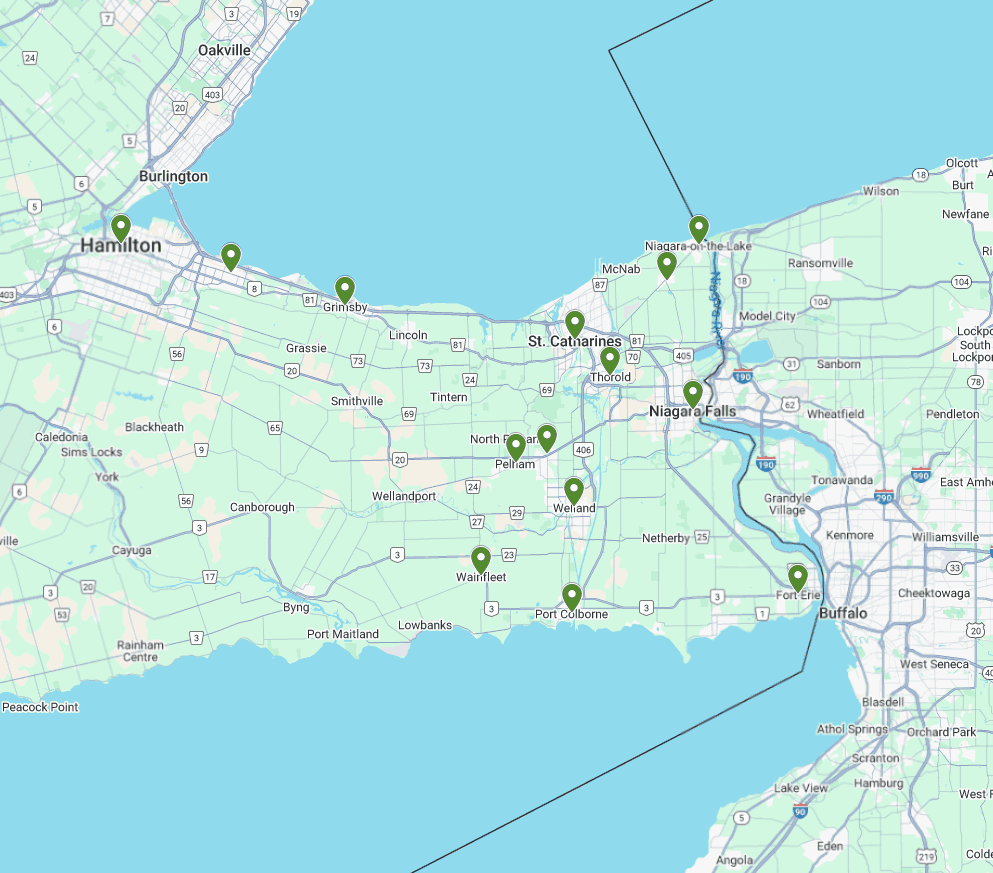
Service Areas
Our service areas encompass a wide range of locations, ensuring that we can meet the needs of our clients wherever they are. From bustling urban centers to serene rural landscapes, we are committed to providing top-notch services tailored to each unique environment.